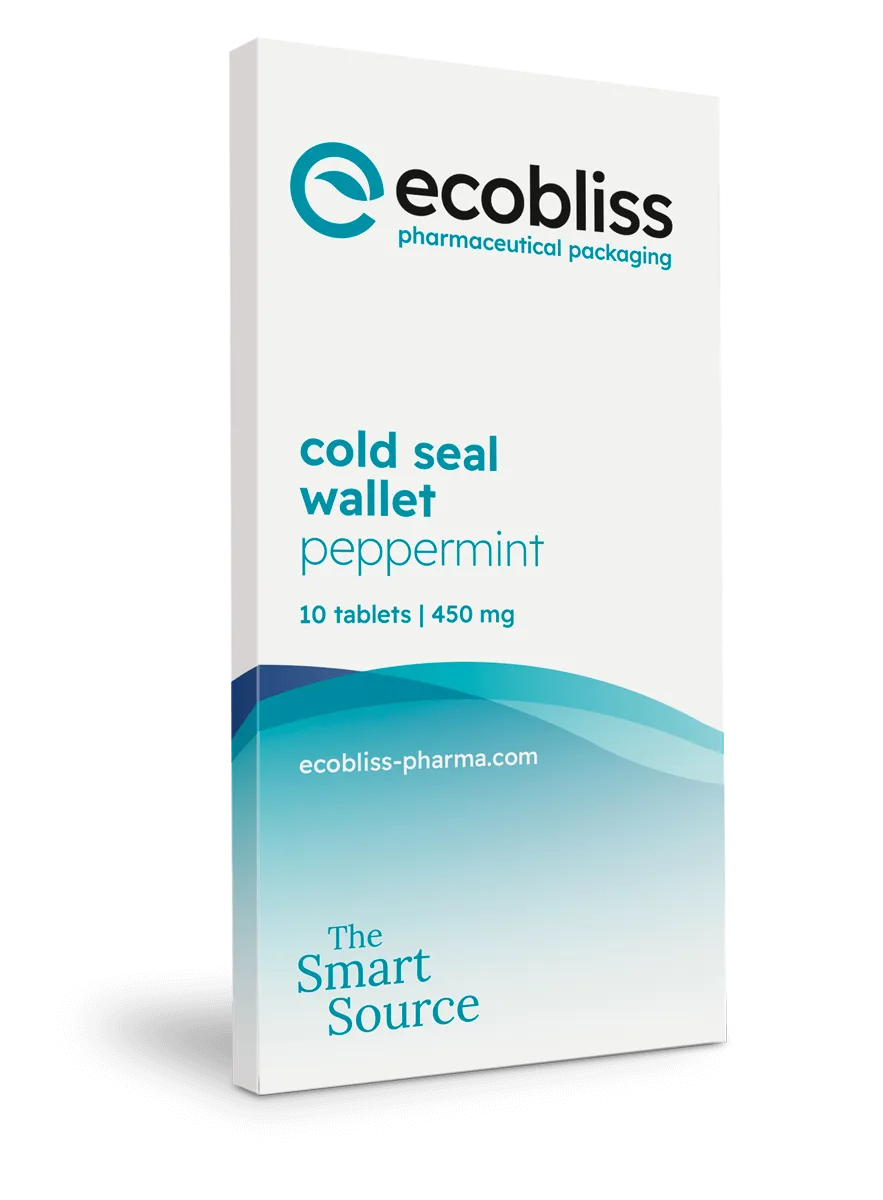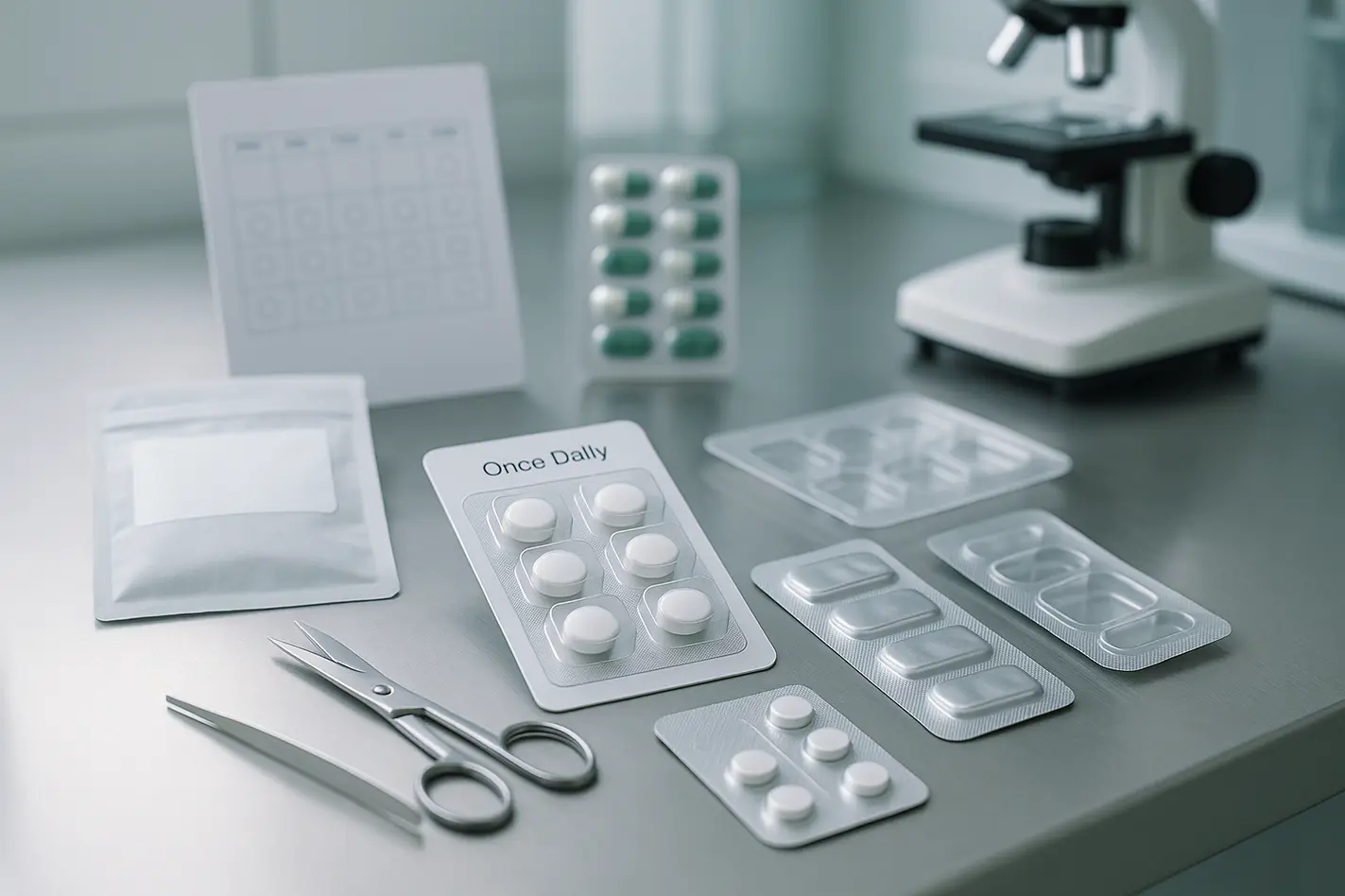

Blistrové balení léků znamená uzavření každé tablety nebo kapsle v jedné plastové kapse pokryté fólií nebo papírem. To pomáhá chránit lék a usnadňuje užívání správné dávky ve správný čas. Snižuje počet chyb, podporuje adherenci a splňuje bezpečnostní požadavky. Některá balení také obsahují wallet nebo kartu kolem blistru, která pacienta krok za krokem provede léčbou.
• Pomáhá chránit léky před vzduchem, vlhkostí a světlem a prodlužuje jejich trvanlivost
• Usnadňuje sledování kroků léčby tím, že ukazuje, jakou dávku a kdy užít
• Jasné rozvržení a výtisky kalendáře pomáhají předcházet vynechání a dvojnásobnému podání dávek
• Kombinuje bezpečnostní prvky, jako je ochrana proti neoprávněné manipulaci a dětská pojistka, se snadným použitím
• Wallet a adapter cards podporují komplexní terapie a přístup vhodný pro seniory
Co je to blistrové balení léků jednoduše řečeno?
Blistrové balení léků používá tvarovanou kapsu, obvykle vyrobenou z plastu, k uložení jedné tablety nebo kapsle. Toto je primární obal. Fólie nebo papírové víčko utěsňuje horní část, takže lék zůstává chráněn až do použití. Pro užití dávky pacient protlačí tabletu fólií nebo odloupne jednu vrstvu.
Tento typ balení je systém unit dose. Jedna kapsa pojme jednu dávku a rozvržení často jasně ukazuje, kdy se má která dávka užít. Kolem blistru může být wallet, karta nebo carton. Toto je sekundární obal. Nabízí prostor pro pokyny, bezpečnostní informace nebo prvky odolné proti otevření dětmi. Tyto blistrové obaly na léky se v Evropě a dalších regionech široce používají pro perorální léčbu pevnými formami, jako jsou tablety nebo kapsle.
Jak blistrové balení léků podporuje bezpečnost, stabilitu a dodržování předpisů
Protože každá dávka je uzavřena ve vlastní kapse, blistrové balení léku pomáhá udržovat stabilitu produktu. Utěsněná vrstva chrání před vlhkostí, vzduchem a světlem. To prodlužuje trvanlivost a snižuje riziko poškození během přepravy nebo skladování. Některé léky tuto ochranu potřebují, aby zůstaly účinné až do použití.
Jasné rozvržení s jednou dávkou na kapsu také pomáhá pacientům užít správné množství. Na obalu může být uvedeno datum expirace, číslo šarže a varovné signály, pokud bylo balení otevřeno. Regulační orgány často očekávají, že balení léků bude srozumitelné pro pacienty, bude mít jasné označení a bude obsahovat ochranu proti neoprávněné manipulaci.
Blistrové balení léků a dodržování léčby v každodenním životě
Blistrové balení také pomáhá lidem zapamatovat si, zda už užili lék. Pokud je kapsa neporušená, může být dávka stále potřeba užít. Pokud je v jednom časovém bodě prázdných více než jedna dutina, mohlo dojít k chybě. To usnadňuje odhalení chyb a rychlé přijetí opatření.
Kalendářní rozvržení s dny nebo časy vytištěnými nad každou dávkou pomáhá pacientům sledovat kroky léčby. Toto rozvržení je užitečné pro lidi, kteří pravidelně denně užívají léky. Někteří pacienti, jako jsou starší dospělí nebo ti, kteří užívají více léků nebo jimž se mění dávky, potřebují zvláštní pomoc. Sekundární balení, jako jsou wallet, může zobrazovat podrobné pokyny nebo zvýrazňovat změny dávky během léčebného období. To zvyšuje bezpečnost doma a snižuje riziko záměny.
Lidské faktory, rizika a konstrukční volby při balení léčiv v blistrech
Pokud je obal obtížně čitelný nebo otevíratelný, lidé si mohou tablety vyndat předčasně nebo je volně skladovat. To zvyšuje pravděpodobnost chyb. Lidský faktor v designu obalů znamená přemýšlet o skutečných lidech: jak čtou informace, jak silné mají ruce nebo jak se v balení pohybují.
Nejlépe fungují designy s velkým, čitelným textem, jasným kontrastem a jednoduchými pokyny k odlepení nebo zatlačení. Šipky nebo čísla mohou pacienta vést a ukazovat, kterým směrem se má v balení pohybovat. Tyto prvky mohou snížit stres a zabránit chybám při každodenním používání. Testování designu s uživateli zajišťuje, že splňuje skutečné potřeby.
Odolnost vůči dětem, vhodnost pro seniory a bezpečnější blistrové balení léků
Předpisy často vyžadují jasné pokyny, ochranu proti neoprávněné manipulaci a další bezpečnostní prvky pro určité léky. Některá balení musí být odolná proti otevření dětmi. To znamená, že dítě mladší určitého věku nemůže balení otevřít. Dospělí, včetně osob se slabýma rukama nebo slabozrakostí, však musí být i nadále schopni léky bezpečně používat.
Nejbezpečnějším řešením je blistr s dětskou pojistkou, který je stále vhodný i pro seniory. Jedním z příkladů je řešení s dětskou pojistkou a blistrem v adaptérové kartě. V tomto formátu je blistr umístěn uvnitř uzamykatelné karty. Chrání před dětmi, ale dospělí jej mohou otevřít bez nářadí.
Otázky udržitelnosti týkající se blistrového balení léků
Tradiční blistry často kombinují plast a fólii. Tyto vrstvy se po použití obtížně oddělují, takže je obtížné je recyklovat. Postupem času tak vzniká velké množství směsného odpadu, zejména u léků užívaných denně nebo dlouhodobě.
Nové formáty balení se zaměřují na snížení dopadu na životní prostředí. Některé designy usnadňují oddělení materiálů. Jiné používají ve vnější vrstvě více kartonu a celkově méně plastu. Obal však stále musí chránit léčivo, splňovat požadavky na kvalitu a fungovat na stávajících výrobních linkách. Smart wallet může snížit množství odpadu tím, že kombinuje všechny potřebné informace a bezpečnostní prvky do jednoho kompaktního formátu.
Od standardních blistrů po smart wallet: náš cold seal přístup
Existuje mnoho druhů primárních blistrů. Většina z nich se vyrábí tvarováním plastu za tepla (tepelné tvarování) nebo bez tepla (tvarování za studena). Tyto blistry vytvářejí základní vrstvu, která drží dávku. Naše práce se zaměřuje na to, co blistr obklopuje. Specializujeme se na cold seal blister wallet a sekundární balení pro léky a zdravotnické prostředky.
Cold seal využívá k uzavření balení tlak místo tepla. To pomáhá chránit produkty citlivé na teplotu a snižuje spotřebu energie během výroby. Díky naší technologii cold seal blister wallet navrhujeme tištěné formáty, které pacienty krok za krokem provedou. Další panely poskytují prostor pro pokyny k dávkování, schémata, bezpečnostní ikony a informace o značce. Tyto wallet jsou ideální pro vysoce hodnotné terapie s nízkým až středním objemem, kde jsou klíčové přehlednost a péče o pacienta.
Případy použití: titration, startovací a clinical trial balení v blistrovém balení léků
Některé léčebné postupy začínají nízkou dávkou, která se časem zvyšuje. Tomu se říká titrace. Startovací balíčky pomáhají s první fází léčby. Balíčky pro klinické studie musí dodržovat přísný harmonogram a jasně ukazovat každý krok jak pacientovi, tak i poskytovateli zdravotní péče.
V těchto případech navrhujeme blister wallet, který uživatele provede jednotlivými dávkami a silami. Například jsme vytvořili titration wallet se 168 tabletami a pěti silami v jednom balení s dětskou pojistkou. Tento typ balení pomáhá doma i během studií a poskytuje jasné vodítko den za dnem.
Spolupráce s partnerem na designu, správné výrobní praxi (GMP) a kompletním servisu balení
Farmaceutické společnosti potřebují obaly, které odpovídají jejich nástrojům a splňují pravidla správné výrobní praxe (GMP). Obaly musí být také bezpečné, vhodné pro skutečné uživatele a stabilní až do konce doby použitelnosti. U komplexních terapií a naváděných formátů, jako jsou wallet, musí být návrh otestován a připraven k výrobě.
Nabízíme náš přístup k návrhu a vývoji farmaceutických obalů s plnou technickou podporou. To zahrnuje návrh zaměřený na uživatele, integraci do výrobní linky a požadavky GMP. Provozujeme certifikované zařízení GMP a poskytujeme kompletní balicí služby pro vybrané produkty. Pomáháme také týmům řídit komplexní terapie prostřednictvím inteligentního návrhu blistrových obalů zaměřených na pacienta.
Další kroky: vylepšení vaší strategie blistrového balení léků
Blistrové balení léků pomáhá chránit každou dávku a poskytuje pacientům jasný postup. Při použití s wallet designem nebo adapter card také podporuje složité dávkování, bezpečnost dětí a lepší čitelnost. To pomáhá snižovat chyby a usnadňuje pacientům dodržování jejich plánu doma.
Pokud se potýkáte s problémy, jako je malý tisk, špatné otevírací body nebo nepřehledné rozvržení, je nyní vhodná chvíle vylepšit své balení. Můžete prozkoumat nové možnosti wallet, projít si složitý příklad případu nebo si vyžádat vzorek blister wallet, abyste si vyzkoušeli, jak funguje pro vaše vlastní potřeby.
Požádejte o vzorek zdarma!