.avif)

Odšroubujete novou lahvičku s tabletami a nahoře je chuchvalec vaty. Většina lidí ho vytáhne, vyhodí a nikdy se nezamyslí nad tím, proč tam byl. Vata má skutečný důvod existence, hned tři, a je to kousek farmaceutické historie, který hodně vypovídá o vývoji obalů.
První úkol: zastavit chrastění tablet
Tablety starého stylu byly křehké. Lisovaly se z tvrdších, méně potahovaných směsí než ty dnešní a šestitýdenní cesta lodí z továrny v New Jersey do lékárny v Madridu pro ně byla náročná. Tablety praskaly, lámaly se, odštípávaly se. Zákazníkům se na dně lahvičky usazoval prach.
Vata to vyřešila. Volná vatová kulička vyplnila prostor v lahvičce a zabránila tomu, aby se tablety pohybovaly proti sobě. Ve 40. letech 20. století se tímto způsobem dodával každý farmaceutický produkt v pevné formě.
Druhý úkol: absorbovat zbytečnou vlhkost
Bavlna je hygroskopická. Odvádí vlhkost ze vzduchu kolem sebe. V uzavřené lahvi, která leží měsíce na poličce, vata funguje jako pasivní vysoušedlo, které absorbuje veškerou vlhkost, která pronikne za víčko. U tablet, které se ve vlhkém prostředí rozkládají, se tím získává čas.
Moderní lahve to dělají jinak. Používají silikagelové nádoby nebo molekulární síta, která absorbují mnohem více vlhkosti než bavlna. Ale bavlna byla původní.
Třetí úkol: jakýsi důkaz o neoprávněné manipulaci
Pokud by někdo během přepravy otevřel lahvičku, vata by na tabletách už neležela v perfektním stavu. Odsunula by se nebo zmačkala. Tento vizuální prvek nenahradil těsnění ani smršťovací fólii, ale přidal další vrstvu.
Toto je dnes ze tří důvodů nejslabší. Moderními metodami ochrany proti neoprávněné manipulaci jsou fóliové pečetě, perforované záložky a 2D Data Matrix kódy, které se skenují v lékárně.
Proč je tedy vata v lahvičkách stále přítomna v roce 2026?
Většinou zvyk, částečně vnímání. Tablety jsou dnes potahované, robustní a dodávány v polstrovaných kartonech. Křemičité vysoušecí prostředky překonávají bavlnu, pokud jde o vlhkost. Fóliové těsnění poráží bavlnu v otázce neoprávněné manipulace. Argumenty pro bavlnu jsou skutečně tenčí než před čtyřiceti lety.
Mnoho farmaceutických společností ho přestalo používat. Některé ho ponechávají, protože to spotřebitelé očekávají, kvůli věrnosti značce. Někteří menší výrobci používají starší zařízení, která stále automaticky vkládají vatu, a výměna této linky stojí více než samotná vata.
Alternativa blistrového balení
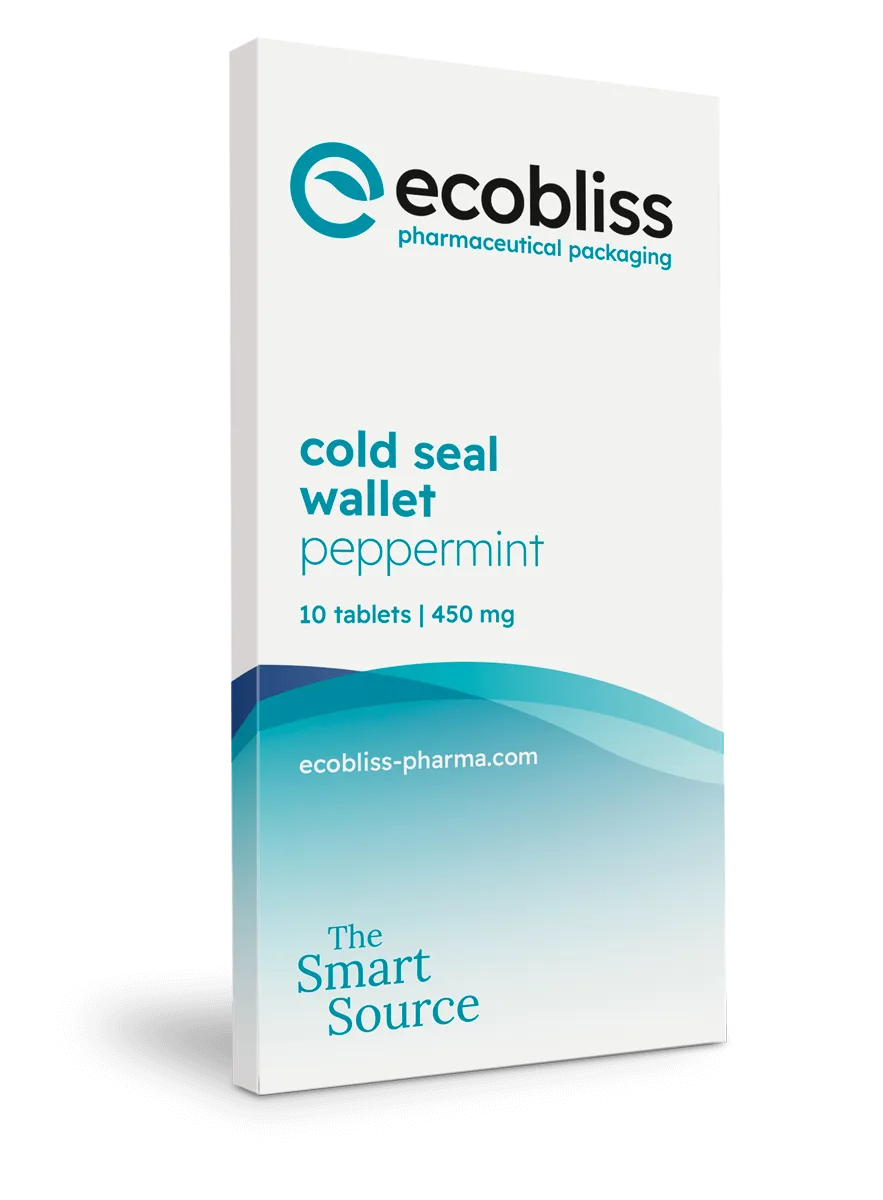
Pokud vám skutečně záleží na ochraně proti vlhkosti, prevenci rozbití a zabezpečení proti neoprávněné manipulaci, blistrové balení zvládne všechny tři funkce lépe než lahvička s vatou. Každá tableta je umístěna ve vlastní uzavřené dutině. Mezi dávkami nedochází k výměně vlhkosti. Bezpečnostní opatření jsou zabudována do fólie. A uvolněný prach z rozbitých tablet neposíláte po celém světě. Blistrové obaly Cold seal to ještě posouvají dále tím, že v jednom balení přidávají pojistky pro pacienta a prvky odolné proti otevření dětmi.
Pokud přecházíte z lahvového formátu na blistrový formát a chcete porovnat, co každý z nich dělá pro vaši specifickou aktivní farmaceutickou ingredienci, můžeme vás seznámit s možnými kompromisy. Bavlna byla na svou dobu chytrým řešením. Formát, který s ní souvisí, se posunul dál.
Požádejte o vzorek zdarma!