Unit dose packaging: what it is and why it matters

Gianni Linssen
Written by
Gianni Linssen
/ Published on
January 9, 2026
Explore how unit dose packaging improves safety, supports adherence, enhances sustainability, and optimizes design for healthcare. Discover how.
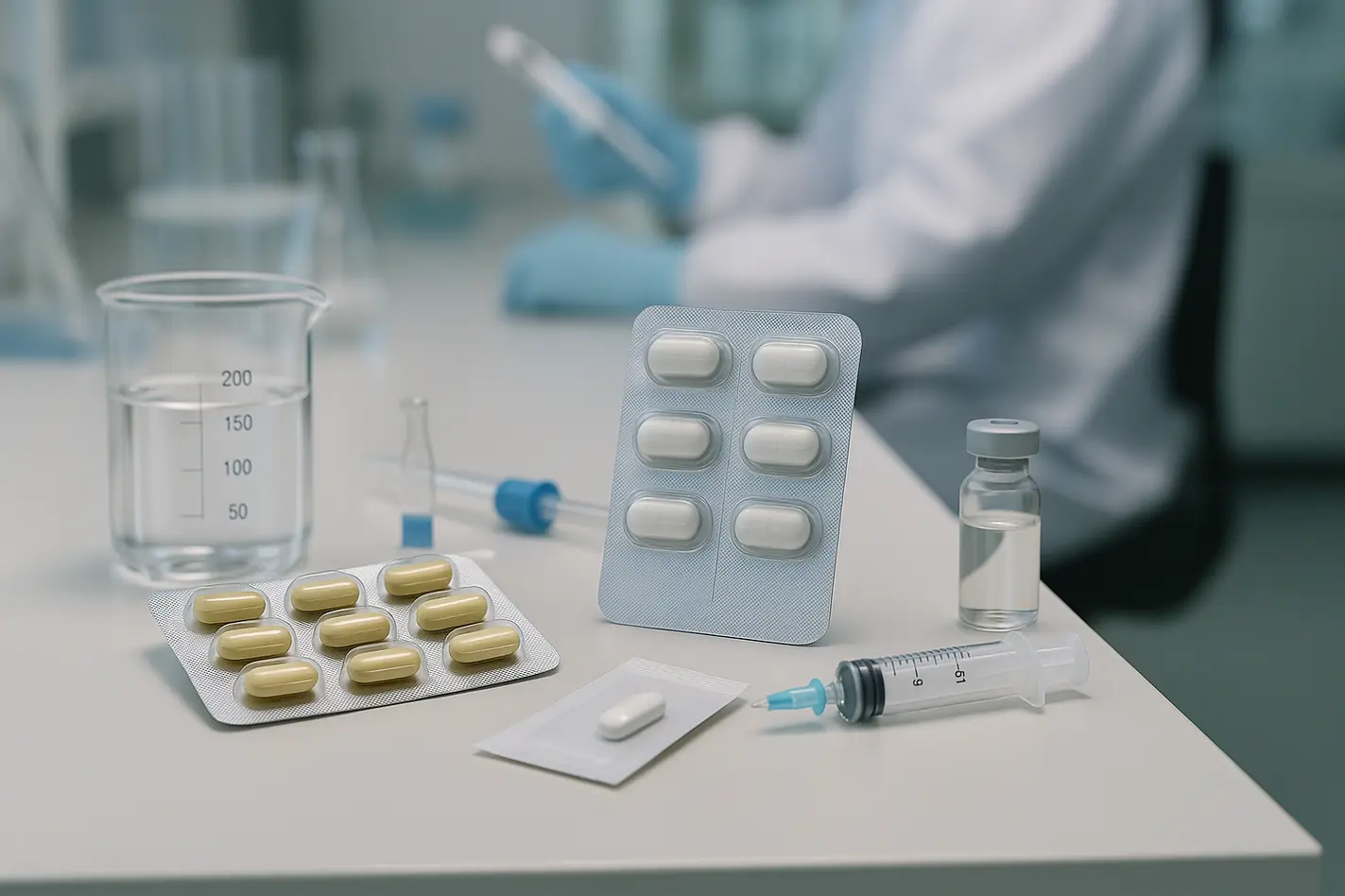
Professional lab scene showcasing realistic unit dose packaging and pharmaceutical tools.

Unit dose packaging means each sealed unit contains one exact dose of medicine. This helps protect the product, reduce dosing errors, and make it easier for patients and caregivers to follow a treatment plan. It is used in hospitals, clinics, and home care and is often applied to tablets, powders, and injectables.

• Each sealed unit holds a single-unit dose that can be taken or given directly

• Helps lower medication errors through clear labels and tracking codes

• Supports patient routines with a simple layout and visible dose plans

• Common formats include blister pockets, sachets, stick packs, and prefilled syringes

• Good design considers usability, safety, manufacturing, and sustainability

What unit dose packaging means in pharma

In pharma, unit dose packaging refers to packaging that holds one pre-measured dose of a medicine per sealed unit. This type of packaging allows the medicine to be taken or administered directly from the pack. Many sealed units are often grouped into an outer box or wallet, for example a blister card with multiple blister pockets.

This format usually acts as primary packaging, the pack that touches the medicine directly. The outer box is the secondary pack. It provides more space for safety labels, barcodes, and instructions.

Common unit dose packaging formats and where they fit

Solid dose: blisters and blister cards

Tablets and capsules are often packed in blister pockets. Each pocket holds one dose. Blister cards may come in flat or wallet-style layouts and can follow a one-week or one-month plan. Days, numbers, or colors can guide patients through their routine. In some cases, teams explore PVC-free blister options based on product needs and local rules.

Powders and granules: sachets and stick packs

Oral powders or granules may come in sachets or stick packs. Each unit stays sealed until used, helping the product stay fresh. Patients may mix the powder with water just before use, or take it directly. This format suits products that are sensitive to air or moisture and supports dose-by-dose convenience.

Liquids and injectables: single-dose vials and prefilled syringes

Many single-dose vials and prefilled syringes are used in hospitals and at home. These formats reduce steps before giving the medicine. They also lower the risk of contamination and support unit-dose dispensing systems. The right format depends on the product form, stability needs, and use setting.

How unit dose packaging supports safety and error reduction

Unit dose packaging helps reduce medication errors by keeping each dose clearly labeled until the point of use. Each unit can show key data, like the product name, dose strength, expiry date, and batch number. This extra level of information helps different users through the full journey from pharmacy to patient.

Barcodes or unique identifier 2D codes support pack traceability. For hospitals that use barcode scanning before administration, these codes help match each dose to the right patient. This supports safer handling but does not replace other safety checks.

Protection and integrity in unit dose packaging

Each sealed unit protects the medicine against moisture, oxygen, or light. This is important for sensitive products or longer shelf life. Common barrier materials include foil and plastic films. Sealing quality matters. We check seal strength using machines or visual inspection to make sure the units stay closed, clean, and safe to use.

Usability, adherence, and pack logic in unit dose packaging

One pocket equals one dose

A simple layout, like “one blister pocket equals one dose,” helps patients and caregivers. It reduces guessing and builds a clear link between the pack and the treatment schedule. This logic works across unit-based formats, from blister cards to sachets and stick packs.

Medication adherence packaging features

Easy-to-read designs support better routines. Some packs add medication adherence packaging elements like color-coded times of day, calendar sequences, or symbols to guide use. Clear icons and larger print help people with limited sight follow their plan. This supports regular use and reduces the chance of missed or extra doses.

Complex regimens and multi-strength therapies

Treatments with different tablets or stepwise dosing can still use unit-dose concepts. For example, we developed a case with 168 tablets and 5 strengths in one child-resistant pack. That pack grouped doses by strength and day to lead the user through the full course safely.

Information, coding, and regulation at unit and carton level

Unit dose packaging often needs to carry product name, strength, expiry, and batch number on each unit. Room for extra data may be limited. The outer box can hold more: full instructions, anti-tamper features, and a unique identifier 2D code, depending on the country’s rules.

Design decisions affect how well users can scan or read the label and how pharmacists or clinics handle the pack. A good layout supports safe use and fast tracking through the supply chain.

Child-resistant unit dose and senior-friendly packaging

Why child safety matters

Some unit dose medicines must prevent accidental access by children. This is especially true when even one dose can cause harm. There are general test rules for both reclosable and non-reclosable child-resistant packs. These rules check if the pack slows down a child while still working for adults.

Balancing child resistance with easy adult access

Packs that are too hard to open may lead adults to remove all pills at once, which is less safe. Senior-friendly packaging helps avoid this. It focuses on materials that open with the right force, obvious tear zones, and clear visual cues. Finding the balance between safety and ease is key.

Designing safe unit dose concepts

A child-resistant unit dose often combines key factors: smart structure, tested materials, and clear graphics. These parts work together to slow a child but support correct adult use. You can explore our child-resistant packaging expertise to see more design steps and fit-for-purpose examples.

Manufacturing and quality realities for unit dose packaging

Line speed and equipment fit

Some formats or materials may need changes to equipment or slower speeds. For example, if a card adds extra printing off-line or new folds, that might affect filling or sealing steps. Early choices help teams plan for this.

Sealing, inspection, and opening performance

Each unit must seal fully and then open in a safe, controlled way. This may involve tear notches, peel layers, or special dies. Quality checks confirm sealing and prevent leaks or contamination. The right material helps balance strong protection with easy handling.

Change control and validation

Any change to format, layout, labeling, or code placement can impact validation steps. Teams may need to update documents or test stability, especially in regulated markets. We provide pharma packaging design and development support to guide planning and avoid costly delays.

Where unit dose packaging is used: hospital and home

Hospital and institutional unit-dose dispensing

Many hospitals prepare medicine in unit-dose dispensing flows. Pharmacy staff pack and label each dose. Clear print and codes mean nurses can scan the unit dose before use. This reduces name mix-ups and helps meet safety steps at the bedside.

Home use and caregiver support

At home or in care settings, clear unit dose packs can increase safety. Caregivers may manage many patients and medicines. Simple icons, colors, or day labels show who should receive what and when. Well-structured packs help users follow a plan created by a doctor or nurse, even without medical training.

Sustainability choices in unit dose packaging

Material use per dose and product waste

Each unit dose often uses more material, but it can lower medicine waste. When a bottle breaks, all content may be lost or spoiled. In contrast, sealed units keep extra doses safe and usable if the outer pack is damaged.

Multi-material packs and recyclability

Many blister cards combine foil and plastic, which can be hard to recycle. Some teams are trying PVC-free blister options to support better end-of-life handling, based on current rules and technical needs. Design, layout, and structure affect how easily a user can sort and dispose of packaging correctly.

Designing for future rules and real-world impact

In the EU and other regions, rules are calling for more recyclable packs and less waste. Still, safety and stability remain top priorities. Early design steps help decide which materials to use and which parts can be reduced or avoided. We explore these choices in our approach to sustainability in pharma packaging.

Planning your next unit dose project

Unit dose packaging needs to balance safety, usability, process fit, and long-term quality. Regulatory expectations and environmental pressure add more layers. Decisions are easier when they are made with input from Packaging, Quality, Regulatory, Operations, and Procurement early in the project.

We help teams define scope and line up options that work long term. If your product involves multi-strength dosing, special user needs, or custom protection, our quickscan is a helpful first step to explore what your pack could look like.

Request a free sample now!

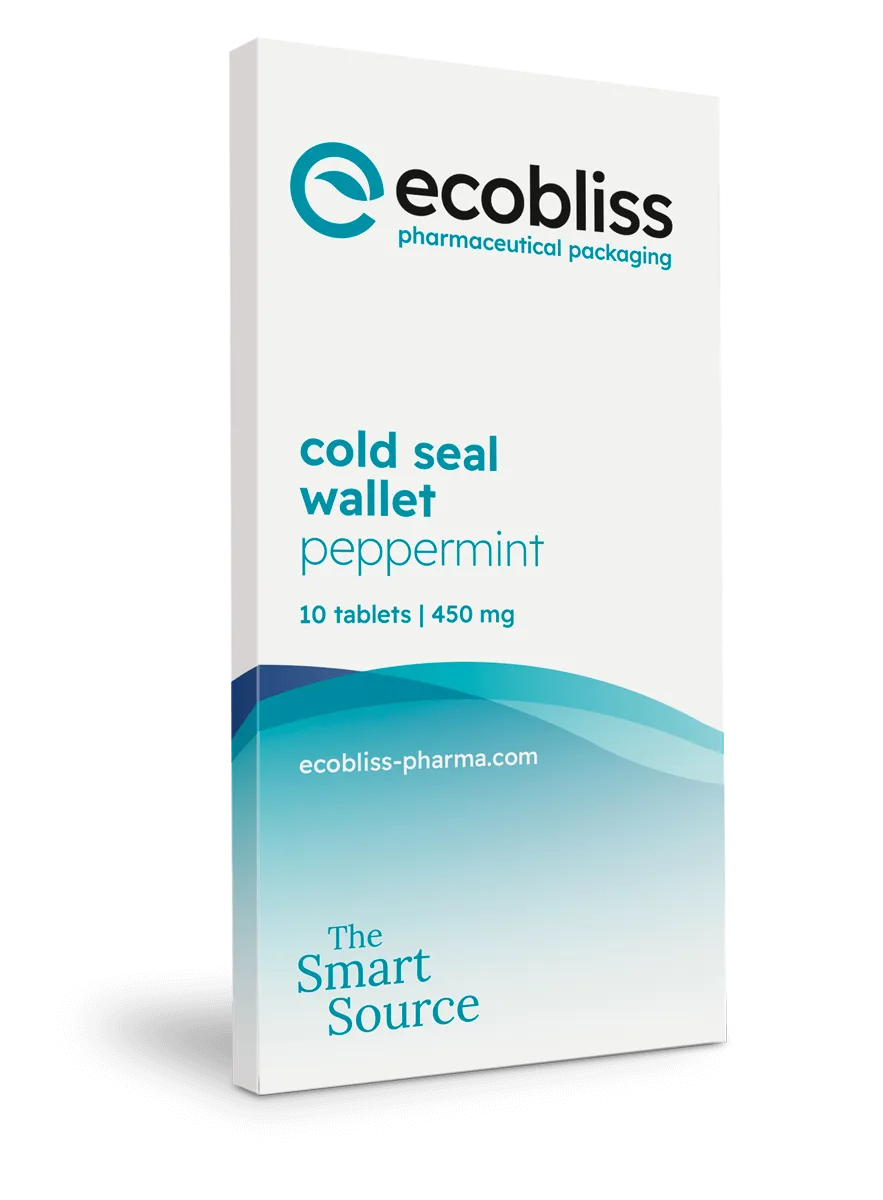
Ecobliss Pharmaceutical cold seal wallet
Do you want to experience first hand the usability and quality of our packaging solutions? We'll send you one!
Request the free sample!

Contact the team

Our team is fine blend of knowledge, experience and eagerness. Give them a call. Or send a message to call you back at a convenient time for you.
Gianni Linssen

Gianni Linssen

+31625517974
Timo Kubbinga

Timo Kubbinga

+31627348895
Jaime Wauben

Jaime Wauben

+31615446090

Or send a message

Thank you! Your submission has been sent! I'll contact you soon.
Oops! Something went wrong while submitting the form.
Sample Request
Quickscan
Schedule a meeting

One moment please, loading calendar...

Schedule a meeting
Icon calendarClose icon