Hoitoon sitoutuminen on yksi niistä aiheista, joista julkaistu kirjallisuus on laaja mutta käytännön toteutusopas niukka. Useimmat lääkeyritykset tietävät, että heillä on hoitoon sitoutumiseen liittyvä ongelma. Harvoilla on konkreettinen lista siitä, mitä asialle voidaan tehdä. Tässä ovat viisi interventiota, jotka toimivat käytännön toteutuksessa, karkeasti vaikutus-panostussuhteen mukaan järjestettynä.
1. Calendar wallet -pakkaus
Tehokkain yksittäinen interventio julkaistussa kirjallisuudessa. Wallet, johon on painettu viikonpäivät, parantaa hoitoon sitoutumista noin 30 % verrattuna tavalliseen cartoniin. Potilaat vilkaisevat, onko tiistain solu tyhjä vai täynnä, ja ottavat tabletin, jos se ei ole.
Miksi se toimii: se siirtää muistityön potilaalta pakkaukselle. Heidän ei tarvitse muistaa, ottivatko he eilisen annoksen, sillä wallet näyttää sen.
Miksi lääketeollisuus joskus jättää sen väliin: se maksaa hieman enemmän kuin tavallinen carton. Laskut puoltavat lähes aina walletia, mutta wallet-päätös tehdään usein hankinnan kautta, ei lääketieteellisten asioiden puolelta.
2. Värikoodattu annostelu titrausohjelmissa
Onkologisissa, neurologisissa ja hormonihoidoissa, joiden annosta nostetaan viikkojen kuluessa, värikoodatut vaiheet estävät sekaannusta. Jokaisella vahvuudella on oma värinsä. Potilas noudattaa värijärjestystä sen sijaan, että lukisi annosteluohjeet joka aamu.
Olemme toimittaneet titrauspakkauksia, joissa on jopa 168 tablettia viidellä eri vahvuudella yhdessä lapsiturvallisessa taskussa. Potilas ottaa oikean tabletin oikeana päivänä, koska värit opastavat häntä.
3. Senioriystävällinen avaaminen
Kriittinen yli 70-vuotiaille, jotka aiheuttavat eniten hoitoon sitoutumiseen liittyviä ongelmia käytännössä. Leveät repäisyliuskat, selkeät suurikokoiset tarrat ja intuitiivinen avaussuunta. Push-through blisterit eivät usein sovi tälle ryhmälle; cold seal walletit, joissa on repäisymekanismi, toimivat paremmin.
Testaa oikeilla ikääntyneillä käyttäjillä, älä sisäisillä sijaisilla. Potilashyväksyntätestaus paljastaa ongelmia, jotka sisäinen laadunvarmistus ei aina huomaa.
4. Monikielinen selkeys kansainvälisiä lanseerauksia varten
Useilla EU-markkinoilla tehtävissä kokeissa ja kaupallisissa lanseerauksissa seitsemän- tai yhdeksänkieliset vihkosetiketit estävät väärin luetuista ohjeista johtuvat annostusvirheet. Yhdessä yleismaailmallisen kuvakkeen kanssa katetaan tapaukset, joissa potilas ei lue etikettiä ollenkaan.
5. Älypakkausten integrointi sitoutumissovelluksiin
NFC-tunnisteet tai 2D Data Matrix -koodit, jotka on linkitetty potilassovellukseen. Potilas skannaa pakkauksen ja sovellus kirjaa annoksen. Terveydenhuollon ammattilainen näkee reaaliaikaiset hoitoon sitoutumistiedot ja seuraa tilannetta, kun sitoutuminen heikkenee.
Voimakkain vaikutus yhdistettynä neljään yllä mainittuun pakkausinterventioon, heikoin yksinään käytettynä. Sovellus ilman kalenterilompakkoa on vain ylimääräinen sovellus, jonka potilas jättää huomiotta.
Mikä ei toimi
Muutamia interventioita, jotka näyttävät hyviltä dioissa, mutta toimivat heikommin toteutuksessa:
- Geneeristen lääkkeiden pakkausselosteet, joita kukaan ei lue.
- Pilleripurkit, joissa on puuvillatäytettä (pilleripurkkien puuvillaperinne on pakkausesine, ei kiinnitysväline).
- Muistutustekstiviestit ilman annosseurantaa.
- Potilasopetusvideot toimitetaan ensimmäisen reseptin täyttämisen jälkeen.
Miten autamme
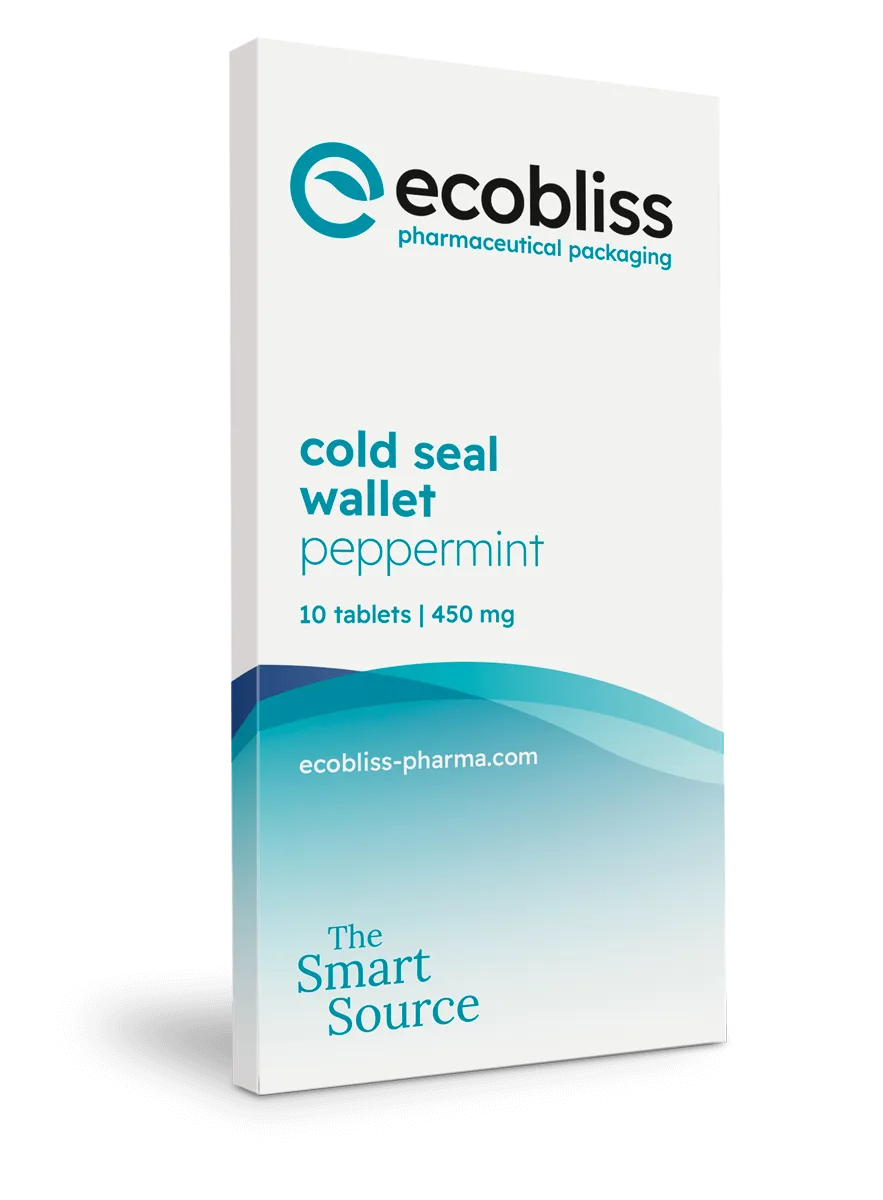
Rakennamme hoitoon sitoutumisen tukevan suunnittelun cold seal blister walleteihin kroonisille lääkkeille ja kliinisille tutkimuksille. Kalenteri, värikoodit, senioriystävällinen avaaminen ja älypakkausintegraatio, kaikki samassa walletissa jos tuote sitä tarvitsee.
Jos olet aloittamassa kroonisen lääkityksen käyttöä tai suorittamassa sitoutumisherkkää tutkimusta ja haluat suunnitella pakkauksen alusta alkaen sitoutumista silmällä pitäen, lähetä meille toimeksiantolomake. Tai pyydä näytteitä, jos haluat nähdä, miltä kalenterititrauslompakko näyttää.
Pyydä ilmainen näyte nyt!