Farmaceutische verpakkingsmaterialen
Farmaceutische verpakkingsmaterialen: veilige, veelzijdige en duurzame oplossingen
Belang van kwalitatief farmaceutisch verpakkingsmateriaal
Farmaceutische verpakkingsmaterialen zijn van cruciaal belang om geneesmiddelen en farmaceutische producten te beschermen tegen schade en besmetting en om de veiligheid, werkzaamheid en stabiliteit te garanderen. Het juiste verpakkingsmateriaal is nodig voor een manipulatiebestendige bescherming, die het gebruik van namaakgeneesmiddelen helpt voorkomen. Bovendien moeten hoogwaardige verpakkingsmaterialen voldoen aan strenge wettelijke normen.
Deze materialen moeten niet alleen de farmaceutische producten beschermen, ze moeten ook kunnen worden aangepast en een ontwerp hebben dat de merkidentiteit weerspiegelt, waardoor een positieve indruk op klanten wordt gecreëerd. Veilige, veelzijdige en duurzame farmaceutische verpakkingsmaterialen zijn van vitaal belang om de integriteit van medische producten te behouden en tegelijkertijd te voldoen aan de verwachtingen van consumenten en regelgevende instanties.
Soorten farmaceutische verpakkingsmaterialen
Ecobliss Pharma gebruikt een reeks verpakkingsmaterialen voor verschillende soorten farmaceutische producten om de integriteit van medische producten te bewaren. Welke soorten farmaceutische verpakkingsmaterialen worden gebruikt, hangt af van het geneesmiddel of farmaceutisch product dat wordt verpakt. We hebben de meest voorkomende materialen die door Ecobliss Pharma worden gebruikt of verwerkt op een rijtje gezet.
Primaire verpakking
Primaire farmaceutische verpakkingsmaterialen komen rechtstreeks in contact met medicijnen. Ze zijn essentieel voor het behoud van de veiligheid, werkzaamheid en stabiliteit van medische producten. Enkele van de meest gebruikte soorten zijn:
· Glass containers: Glass vials, ampoules, and bottles are often used for their excellent barrier properties against moisture and gas, as well as their resistance to chemical interactions. They are suitable for various dosage forms, such as liquids, powders, and lyophilized products.
·Plastic containers: Plastic packaging, such as bottles, blister packs, and prefilled syringes, are widely used. The reasons for this are their lightweight nature, cost-effectiveness, and ease of manufacturing. Common plastics used in primary packaging include polyethylene (PE), polypropylene (PP), polyvinyl chloride (PVC), and polyethylene terephthalate (PET).
·Metal containers: Aluminum, tinplate, or stainless steel containers can be used as primary pharmaceutical packaging materials. This works especially for products requiring additional protection from light, moisture, or extreme temperatures. Examples include aluminum tubes for creams and ointments or metal cans for aerosol products.
·Paper and paperboard: Paper-based materials, such as sachets, cartons, and blister packbacking, are commonly used for solid dosage forms like tablets and capsules. They can be coated or laminated with other materials to enhance barrier properties and ensure adequate protection for the medication.
·Flexible films and laminates: Flexible films, such as aluminum foils and plastic films, are often used in combination with other materials. This is to create custom barrier properties for specific drug products. They can be utilized in strip packs, sachets, and blister packs to protect against light, moisture, and oxygen.
·Pre-filled syringes: Pre-filled syringes are becoming increasingly popular for injectable drug delivery. They can be made from glass or plastic materials, providing a convenient and accurate dosing method for patients and healthcare professionals.
·Drug-eluting devices: These innovative packaging solutions, such as drug-eluting stents or implants, provide controlled drug release over an extended period. They can be made from various materials, including biodegradable polymers, metals, and ceramics.
·Child-resistant packaging: Specialized types of pharmaceutical packaging materials and designs are used to prevent children from accessing potentially harmful medications. Examples include child-resistant caps, blister packs with push-through foil, unit-dose packaging and solutions such as Locked4Kids.
Primaire farmaceutische verpakkingsmaterialen moeten voldoen aan strenge kwaliteits- en veiligheidsnormen om de bescherming van medicijnen te garanderen. Het helpt ook om ervoor te zorgen dat ze hun werkzaamheid behouden gedurende de houdbaarheidsperiode van het product. Deze materialen worden geselecteerd op basis van factoren zoals de chemische eigenschappen van het geneesmiddel, de doseringsvorm en de opslagvereisten.
Secundaire verpakking
Een secundaire verpakking dient om de primaire verpakking te beschermen, biedt extra structurele ondersteuning en biedt belangrijke informatie over het product. Voorbeelden hiervan zijn gebruiksinstructies, veiligheidswaarschuwingen en branding. Enkele van de meest gebruikte secundaire farmaceutische verpakkingsmaterialen zijn:
·Folding cartons: These are made from paperboard and are commonly used to package pharmaceutical products such as blister packs, bottles, and tubes. Folding cartons provide additional protection and can be printed with important product information, branding, and instructions for use.
·Corrugated boxes: Corrugated boxes are made from multiple layers of paperboard. These provide excellent structural support and protection for products during transportation and storage. They are often used to package bulk quantities of medications or to group multiple primary packages together.
·Pouches and bags: Flexible pouches and bags made from plastic, foil, or laminated materials can be used as secondary packaging for products like sachets, strip packs, and medical devices. They provide additional protection from moisture, light, and contamination.
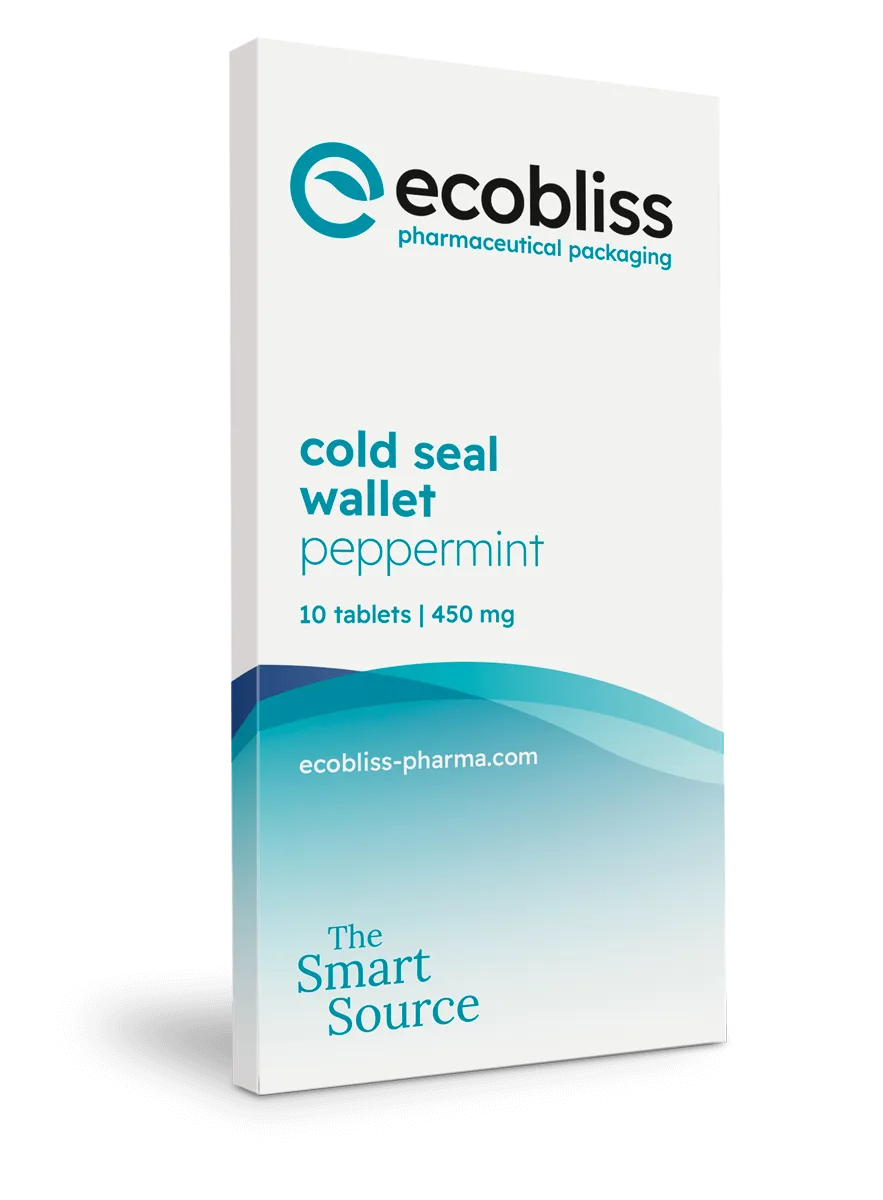
·Wallets: Wallets, also known as wallet packs or wallet cards, are a type of secondary packaging used primarily for solid dosage forms, such as tablets and capsules, as well as transdermal patches and other thin, flexible products. They offer additional protection, portability, and convenience for consumers.
·Blister cards: Blister cards are a type of secondary packaging that combines a blister pack with a paperboard backing. The pharmaceutical blister packaging of Ecobliss contains the medication in individual cavities. Furthermore, the paperboard backing can be printed with important information about the product, such as instructions for use, safety warnings, and branding. Blister cards provide an additional layer of protection and can help improve patient adherence by making it easy to track medication usage.
Toepassingen van verpakkingsmateriaal voor farmaceutische productsoorten
Farmaceutische verpakkingsmaterialen worden gebruikt in verschillende sectoren, waaronder de tandheelkundige, medische en farmaceutische industrie. Ze zijn geschikt voor een breed scala aan producten en kunnen worden aangepast. Dit helpt om te voldoen aan de specifieke eisen van zowel kleine batches als grote commerciële batches. Enkele van de belangrijkste toepassingen zijn:
· Prescription medications: Packaging materials protect prescription drugs from degradation and contamination, ensuring their safety, efficacy, and stability throughout their life cycle.
·Over-the-counter (OTC) drugs: OTC drugs also require secure packaging to prevent tampering and protect the integrity of the product.
·Dental products: Dental products, such as dental implants and orthodontic devices, require specialized packaging to maintain their sterility and ensure patient safety.
·Medical devices: Medical devices, such as syringes, catheters, and surgical instruments, require packaging materials that provide adequate protection and maintain the sterility of the product. Read more about why Ecobliss is your partner for medical device packaging.
Hoogwaardige verpakkingsmaterialen spelen een cruciale rol bij het beschermen van medicijnen en medische producten tegen verschillende potentiële bedreigingen, waaronder:
· Contamination: Packaging materials prevent contamination by microbes, dust, and other foreign particles. This ensures the safety and efficacy of the drug for the patient.
·Degradation: Packaging materials protect medical products from degradation caused by external factors such as moisture, oxygen, light, and temperature fluctuations.
·Tampering and counterfeit drugs: Tamper-evident packaging features and secure designs help deter tampering and reduce the likelihood of counterfeit drugs entering the market.
Voldoen aan wettelijke normen en consumentenverwachtingen voor farmaceutische verpakkingsbenodigdheden
Farmaceutische verpakkingsmaterialen moeten voldoen aan strenge wettelijke normen die zijn opgesteld door organisaties zoals de United States Pharmacopeia (USP), de European Pharmacopoeia (Ph. Eur.) en de International Organization for Standardization (ISO). Deze naleving garandeert de veiligheid, kwaliteit en prestaties van de verpakkingsmaterialen die in de medische industrie worden gebruikt. Bovendien helpt het voldoen aan deze wettelijke normen bij het opbouwen van het vertrouwen van de consument in medische producten. Naast het voldoen aan de wettelijke normen, moeten farmaceutische verpakkingsmaterialen ook voldoen aan de verwachtingen van de consument op het gebied van gemak, gebruiksgemak en esthetiek. Door dit te doen, kunnen fabrikanten de therapietrouw van patiënten verbeteren en een positieve gebruikerservaring creëren.
Aanpassing en merkidentiteit
Het op maat maken van verpakkingsmateriaal voor farmaceutische producten is om verschillende redenen essentieel. Voorbeelden zijn het voldoen aan de unieke behoeften van individuele medische producten en het versterken van de merkidentiteit. Aangepaste verpakkingsoplossingen kunnen farmaceutische bedrijven helpen zich te onderscheiden in een concurrerende markt en het vertrouwen van de consument op te bouwen. Enkele manieren waarop ze kunnen worden aangepast zijn:
·Size and shape: They can be tailored to fit the specific dimensions and form factors of medical products, ensuring optimal protection and functionality.
·Color and design: Eye-catching colors and designs can be incorporated into materials to create a strong visual identity for the brand.
·Printed information: Important product information, such as dosage instructions, warnings, and expiration dates, can be printed directly on the packaging materials. This ensures that consumers have access to essential information at all times.
Veelzijdige verpakkingsoplossingen
Omdat de medische industrie zich blijft ontwikkelen en uitbreiden, zijn er veelzijdige verpakkingsoplossingen nodig voor de uiteenlopende reeks producten en toepassingen. Deze oplossingen moeten zich kunnen aanpassen aan de unieke vereisten van verschillende producttypes. Op deze manier kan de bescherming en integriteit van medische producten gedurende hun hele levenscyclus worden gewaarborgd. Enkele belangrijke kenmerken van veelzijdige verpakkingsoplossingen zijn
·Modularity: Modular packaging designs allow for flexibility and customization. This enables manufacturers to easily adapt their packaging solutions to different product types and sizes.
·Scalability: Versatile packaging solutions should be scalable to accommodate varying production volumes, ranging from small-scale, limited releases to large commercial batches.
·Material compatibility: Pharmaceutical packaging material should be compatible with the medical products they are designed to protect. This ensures that the product's quality, safety, and efficacy are not compromised.
Duurzame verpakkingsalternatieven omarmen
Naarmate de bezorgdheid over het milieu toeneemt, kiest de medische industrie steeds vaker voor duurzame verpakkingsoplossingen om haar ecologische voetafdruk te verkleinen. Het gebruik van milieuvriendelijke materialen en processen helpt fabrikanten om de milieu-impact van verpakkingen te minimaliseren en tegelijkertijd de bescherming en integriteit van hun producten te garanderen. Enkele voorbeelden van duurzame alternatieven zijn:
·Biodegradable plastics: Plastics that break down naturally in the environment can help reduce plastic waste and pollution.
·Recyclable materials: Materials that can be easily recycled, such as paper, cardboard, and some plastics, help conserve resources and reduce waste.
·Recycled PET: By using recycled PET in pharmaceutical packaging materials, manufacturers can reduce their reliance on virgin materials and promote a circular economy.
·Cold seal packaging: Cold seal packaging is a method that involves sealing packages without the use of heat, making it an energy-efficient process. This sealing technique is achieved by using a unique adhesive that bonds when pressure is applied. That eliminates the need for heat sealing equipment. Cold seal packaging offers several advantages over traditional heat sealing methods, making it a highly sustainable choice for the pharmaceutical industry.
Ecobliss Pharma: uw vertrouwde leverancier voor farmaceutische verpakkingsmaterialen
Bij het kiezen van het juiste verpakkingsmateriaal voor farmaceutische producttypen moeten verschillende factoren in overweging worden genomen. Voorbeelden zijn het benodigde beschermingsniveau, gebruiksgemak, kosten en vereiste hoeveelheden. Daarom is het essentieel om samen te werken met een deskundige leverancier met expertise in zowel verpakkingen als farmaceutische producten. Ecobliss Pharma is al tientallen jaren een betrouwbare leverancier van diverse verpakkingsoplossingen voor de tandheelkundige, medische en farmaceutische industrie. Wij leveren alles van kleinschalige tot grote commerciële batches.
Gedurende de gehele levenscyclus van uw product zet Ecobliss Pharma zich in om uw bedrijf te ondersteunen en tegelijkertijd de strikte naleving van industriële voorschriften te handhaven. Vertrouw op ons voor uw farmaceutische verpakkingsbehoeften en ervaar het verschil dat onze expertise maakt.
Vraag nu een gratis cold seal wallet monster aan!

- Zie hoe de inhoud perfect is afgesloten in de wallet
- Bekijk de uitstekende bedrukking buiten en binnen
- Er wordt alleen hoogwaardig karton gebruikt. De verzegeling is milieuvriendelijk!
Your sample request has been sent! You'll get a confirmation at the provided email address.