Farmasøytiske emballasjematerialer
Emballasjematerialer til legemidler: sikre, allsidige og bærekraftige løsninger
Betydningen av kvalitativt farmasøytisk emballasjemateriale
Farmasøytiske emballasjematerialer er avgjørende for å beskytte legemidler og farmasøytiske produkter mot skade og forurensning, for å sikre sikkerhet, effektivitet og stabilitet. Riktig emballasjemateriale er nødvendig for å gi manipulasjonssikker beskyttelse, som bidrar til å forhindre bruk av forfalskede legemidler. I tillegg må emballasjematerialer av høy kvalitet overholde strenge regulatoriske standarder.
Ikke bare skal disse materialene skjerme de farmasøytiske produktene, de bør også tillate tilpasning og design som reflekterer merkevareidentiteten, og skaper et positivt inntrykk på kundene. Sikre, allsidige og bærekraftige farmasøytiske emballasjematerialer er avgjørende for å opprettholde integriteten til medisinske produkter samtidig som de oppfyller forbrukernes og regulatoriske forventninger.
Typer farmasøytiske emballasjematerialer
Ecobliss Pharma bruker en rekke emballasjematerialer for ulike typer farmasøytiske produkter for å bevare integriteten til medisinske produkter. Hvilke typer farmasøytiske emballasjematerialer som brukes, avhenger av legemidlet eller det farmasøytiske produktet som pakkes. Vi har listet opp de vanligste materialene som brukes eller innlemmes av Ecobliss Pharma.
Primæremballasje
Primære farmasøytiske emballasjematerialer kommer i direkte kontakt med medisiner. De er viktige for å opprettholde sikkerheten, effekten og stabiliteten til medisinske produkter. Noen av de mest brukte typene inkluderer:
· Glass containers: Glass vials, ampoules, and bottles are often used for their excellent barrier properties against moisture and gas, as well as their resistance to chemical interactions. They are suitable for various dosage forms, such as liquids, powders, and lyophilized products.
·Plastic containers: Plastic packaging, such as bottles, blister packs, and prefilled syringes, are widely used. The reasons for this are their lightweight nature, cost-effectiveness, and ease of manufacturing. Common plastics used in primary packaging include polyethylene (PE), polypropylene (PP), polyvinyl chloride (PVC), and polyethylene terephthalate (PET).
·Metal containers: Aluminum, tinplate, or stainless steel containers can be used as primary pharmaceutical packaging materials. This works especially for products requiring additional protection from light, moisture, or extreme temperatures. Examples include aluminum tubes for creams and ointments or metal cans for aerosol products.
·Paper and paperboard: Paper-based materials, such as sachets, cartons, and blister packbacking, are commonly used for solid dosage forms like tablets and capsules. They can be coated or laminated with other materials to enhance barrier properties and ensure adequate protection for the medication.
·Flexible films and laminates: Flexible films, such as aluminum foils and plastic films, are often used in combination with other materials. This is to create custom barrier properties for specific drug products. They can be utilized in strip packs, sachets, and blister packs to protect against light, moisture, and oxygen.
·Pre-filled syringes: Pre-filled syringes are becoming increasingly popular for injectable drug delivery. They can be made from glass or plastic materials, providing a convenient and accurate dosing method for patients and healthcare professionals.
·Drug-eluting devices: These innovative packaging solutions, such as drug-eluting stents or implants, provide controlled drug release over an extended period. They can be made from various materials, including biodegradable polymers, metals, and ceramics.
·Child-resistant packaging: Specialized types of pharmaceutical packaging materials and designs are used to prevent children from accessing potentially harmful medications. Examples include child-resistant caps, blister packs with push-through foil, unit-dose packaging and solutions such as Locked4Kids.
Primært farmasøytisk emballasjemateriale må oppfylle strenge kvalitets- og sikkerhetsstandarder for å sikre beskyttelse av medisiner. Det bidrar også til å sikre at de opprettholder sin effektivitet gjennom hele produktets holdbarhet. Disse materialene velges basert på faktorer som legemidlets kjemiske egenskaper, doseringsform og krav til oppbevaring.
Sekundæremballasje
Sekundæremballasje tjener til å beskytte primæremballasje og gir ekstra strukturell støtte, samt å tilby viktig informasjon om produktet. Eksempler på dette er bruksanvisninger, sikkerhetsadvarsler og merkevarebygging. Noen av de mest brukte sekundære farmasøytiske emballasjematerialene inkluderer:
·Folding cartons: These are made from paperboard and are commonly used to package pharmaceutical products such as blister packs, bottles, and tubes. Folding cartons provide additional protection and can be printed with important product information, branding, and instructions for use.
·Corrugated boxes: Corrugated boxes are made from multiple layers of paperboard. These provide excellent structural support and protection for products during transportation and storage. They are often used to package bulk quantities of medications or to group multiple primary packages together.
·Pouches and bags: Flexible pouches and bags made from plastic, foil, or laminated materials can be used as secondary packaging for products like sachets, strip packs, and medical devices. They provide additional protection from moisture, light, and contamination.
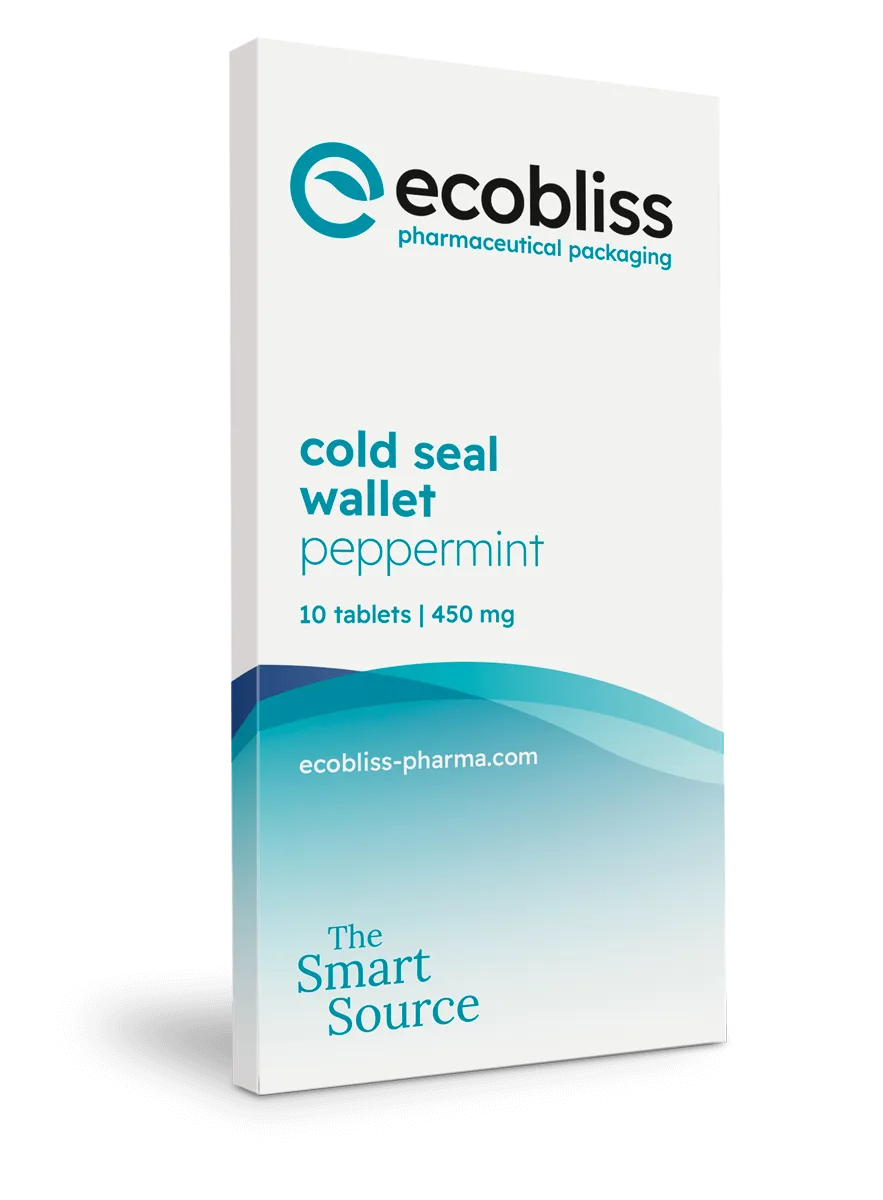
·Wallets: Wallets, also known as wallet packs or wallet cards, are a type of secondary packaging used primarily for solid dosage forms, such as tablets and capsules, as well as transdermal patches and other thin, flexible products. They offer additional protection, portability, and convenience for consumers.
·Blister cards: Blister cards are a type of secondary packaging that combines a blister pack with a paperboard backing. The pharmaceutical blister packaging of Ecobliss contains the medication in individual cavities. Furthermore, the paperboard backing can be printed with important information about the product, such as instructions for use, safety warnings, and branding. Blister cards provide an additional layer of protection and can help improve patient adherence by making it easy to track medication usage.
Anvendelser av emballasjemateriale for farmasøytiske produkttyper
Farmasøytiske emballasjematerialer brukes i ulike bransjer, inkludert tannlege-, medisin- og farmasøytisk industri. De dekker et bredt spekter av produkter og kan tilpasses. Dette bidrar til å oppfylle de spesifikke kravene til både små partier og store kommersielle partier. Noen av de viktigste bruksområdene inkluderer:
· Prescription medications: Packaging materials protect prescription drugs from degradation and contamination, ensuring their safety, efficacy, and stability throughout their life cycle.
·Over-the-counter (OTC) drugs: OTC drugs also require secure packaging to prevent tampering and protect the integrity of the product.
·Dental products: Dental products, such as dental implants and orthodontic devices, require specialized packaging to maintain their sterility and ensure patient safety.
·Medical devices: Medical devices, such as syringes, catheters, and surgical instruments, require packaging materials that provide adequate protection and maintain the sterility of the product. Read more about why Ecobliss is your partner for medical device packaging.
Emballasjematerialer av høy kvalitet spiller en avgjørende rolle når det gjelder å beskytte medisiner og medisinske produkter mot ulike potensielle trusler, blant annet
· Contamination: Packaging materials prevent contamination by microbes, dust, and other foreign particles. This ensures the safety and efficacy of the drug for the patient.
·Degradation: Packaging materials protect medical products from degradation caused by external factors such as moisture, oxygen, light, and temperature fluctuations.
·Tampering and counterfeit drugs: Tamper-evident packaging features and secure designs help deter tampering and reduce the likelihood of counterfeit drugs entering the market.
Oppfyller regulatoriske standarder og forbrukernes forventninger til farmasøytisk emballasje
Farmasøytisk emballasjemateriale må overholde strenge lovlydige regulatoriske standarder satt av organisasjoner som United States Pharmacopeia (USP), European Pharmacopoeia (Ph. Eur.) og International Organization for Standardization (ISO). Denne overensstemmelsen sikrer sikkerheten, kvaliteten og ytelsen til emballasjematerialene som brukes i medisinsk industri. Å oppfylle disse regulatoriske standardene bidrar dessuten til å bygge forbrukernes tillit og tillit til medisinske produkter. I tillegg til å oppfylle regulatoriske standarder, bør farmasøytisk emballasjemateriale også møte forbrukernes forventninger når det gjelder bekvemmelighet, brukervennlighet og estetikk. Ved å gjøre det kan produsenter forbedre pasientens etterlevelse og skape en positiv brukeropplevelse.
Tilpasning og merkevareidentitet
Tilpasning av emballasjemateriale for farmasøytiske produkttyper er viktig av flere grunner. Eksempler er å imøtekomme de unike behovene til individuelle medisinske produkter og styrke merkeidentiteten. Tilpassede emballasjeløsninger kan hjelpe farmasøytiske selskaper med å skille seg ut i et konkurransepreget marked og bygge forbrukertillit. Noen av måtene de kan tilpasses på inkluderer:
·Size and shape: They can be tailored to fit the specific dimensions and form factors of medical products, ensuring optimal protection and functionality.
·Color and design: Eye-catching colors and designs can be incorporated into materials to create a strong visual identity for the brand.
·Printed information: Important product information, such as dosage instructions, warnings, and expiration dates, can be printed directly on the packaging materials. This ensures that consumers have access to essential information at all times.
Allsidige emballasjeløsninger
Etter hvert som medisinindustrien fortsetter å utvikle seg og ekspandere, kreves det allsidige emballasjeløsninger for å imøtekomme det brede utvalget av produkter og bruksområder. Disse løsningene må kunne tilpasses de unike kravene til ulike produkttyper. På denne måten kan beskyttelsen og integriteten til medisinske produkter sikres gjennom hele livssyklusen. Noen viktige funksjoner ved allsidige emballasjeløsninger inkluderer:
·Modularity: Modular packaging designs allow for flexibility and customization. This enables manufacturers to easily adapt their packaging solutions to different product types and sizes.
·Scalability: Versatile packaging solutions should be scalable to accommodate varying production volumes, ranging from small-scale, limited releases to large commercial batches.
·Material compatibility: Pharmaceutical packaging material should be compatible with the medical products they are designed to protect. This ensures that the product's quality, safety, and efficacy are not compromised.
Omfavne bærekraftige emballasjealternativer
Etter hvert som miljøhensyn vokser, tar den medisinske industrien i økende grad i bruk bærekraftige emballasjeløsninger for å redusere dets økologiske fotavtrykk. Bruk av miljøvennlige materialer og prosesser hjelper produsenter med å minimere miljøpåvirkningen av emballasje samtidig som de sikrer beskyttelse og integritet til produktene deres. Noen eksempler på bærekraftige alternativer inkluderer:
·Biodegradable plastics: Plastics that break down naturally in the environment can help reduce plastic waste and pollution.
·Recyclable materials: Materials that can be easily recycled, such as paper, cardboard, and some plastics, help conserve resources and reduce waste.
·Recycled PET: By using recycled PET in pharmaceutical packaging materials, manufacturers can reduce their reliance on virgin materials and promote a circular economy.
·Cold seal packaging: Cold seal packaging is a method that involves sealing packages without the use of heat, making it an energy-efficient process. This sealing technique is achieved by using a unique adhesive that bonds when pressure is applied. That eliminates the need for heat sealing equipment. Cold seal packaging offers several advantages over traditional heat sealing methods, making it a highly sustainable choice for the pharmaceutical industry.
Ecobliss Pharma: din pålitelige leverandør av farmasøytisk emballasjemateriale
Å velge riktig emballasjemateriale for farmasøytiske produkttyper innebærer å vurdere ulike faktorer. Eksempler er nødvendig beskyttelsesnivå, brukervennlighet, kostnader og nødvendige mengder. Derfor er det viktig å samarbeide med en kunnskapsrik leverandør med ekspertise på både emballasje og legemidler. I flere tiår har Ecobliss Pharma vært en pålitelig leverandør av ulike emballasjeløsninger til tannlege-, medisinsk- og farmasøytisk industri. Vi henvender oss til alt fra småskala til store kommersielle partier.
Gjennom hele produktets livssyklus er Ecobliss Pharma forpliktet til å støtte din virksomhet samtidig som vi opprettholder streng overholdelse av bransjens forskrifter. Stol på oss når det gjelder dine farmasøytiske emballasjebehov, og opplev forskjellen som vår ekspertise utgjør.
Få en gratis cold seal wallet prøve nå!

- Se hvordan innholdet er perfekt forseglet i wallet
- Ta en titt på det utmerkede trykket på utsiden og innsiden
- Det brukes kun kartong av høy kvalitet. Forseglingen er miljøvennlig!
Your sample request has been sent! You'll get a confirmation at the provided email address.