.avif)

Odkręcasz nową butelkę tabletek i widzisz na niej kłębek waty. Większość ludzi wyciąga go, wyrzuca i nigdy nie zastanawia się, dlaczego tam był. Bawełna ma prawdziwy powód istnienia, trzy z nich, i to fragment historii farmacji, który wiele mówi o ewolucji opakowań.
Pierwsze zadanie: sprawić, by tabletki przestały brzęczeć
Tabletki starego typu były kruche. Były tłoczone z twardszej, mniej powlekanej formuły niż te, które stosuje się dzisiaj, a sześciotygodniowa podróż statkiem z fabryki w New Jersey do apteki w Madrycie była dla nich nie lada wyzwaniem. Tabletki pękały, łamały się, wyszczerbiały. Klienci mieli kurz na dnie butelki.
Bawełna rozwiązała ten problem. Luźny kłębek waty wypełnia przestrzeń w butelce i zapobiega przesuwaniu się tabletek. W latach 40. XX wieku każdy produkt farmaceutyczny w postaci stałej był wysyłany w ten sposób.
Drugie zadanie: pochłanianie wilgoci
Bawełna jest higroskopijna. Wyciąga wilgoć z otaczającego ją powietrza. W szczelnie zamkniętej butelce, która stoi na półce od miesięcy, bawełna działa jak pasywny pochłaniacz wilgoci, wychwytując wilgoć, która przedostała się przez nakrętkę. W przypadku tabletek, które ulegają degradacji w wilgotnych warunkach, oszczędza to czas.
Współczesne butelki robią to inaczej. Używają pojemników z żelem krzemionkowym lub sit molekularnych, które pochłaniają o wiele więcej wilgoci niż bawełna. Ale bawełna była pierwowzorem.
Trzecie zadanie: zabezpieczenie przed manipulacją, niejako
Gdyby ktoś otworzył butelkę w transporcie, bawełna nie leżałaby już nieskazitelnie na tabletkach. Zostałaby zepchnięta na bok lub pognieciona. Ten wizualny sygnał nie zastąpił plomb ani folii termokurczliwej, ale dodał warstwę ochronną.
To obecnie najsłabszy z trzech powodów. Nowoczesne zabezpieczenia przed otwarciem to plomby foliowe, perforowane zakładki i kody 2D Data Matrix skanowane w aptece.
Dlaczego więc bawełna nadal istnieje w roku 2026?
Głównie nawyk, częściowo percepcja. Tabletki są dziś powlekane, wytrzymałe i wysyłane w wyściełanych kartonach. Osuszacze krzemionkowe są skuteczniejsze niż bawełna pod względem wilgoci. Folie zabezpieczające są skuteczniejsze niż bawełna pod względem zabezpieczenia przed otwarciem. Argumenty przemawiające za bawełną są znacznie mniej przekonujące niż czterdzieści lat temu.
Wiele firm farmaceutycznych przestało go używać. Niektóre nadal go stosują, ponieważ klienci tego oczekują, z powodu lojalności wobec marki. Niektórzy mniejsi producenci używają starszego sprzętu, który nadal automatycznie wstawia bawełnę, a zmiana tej linii produkcyjnej kosztuje więcej niż sama bawełna.
Alternatywa w postaci blistra
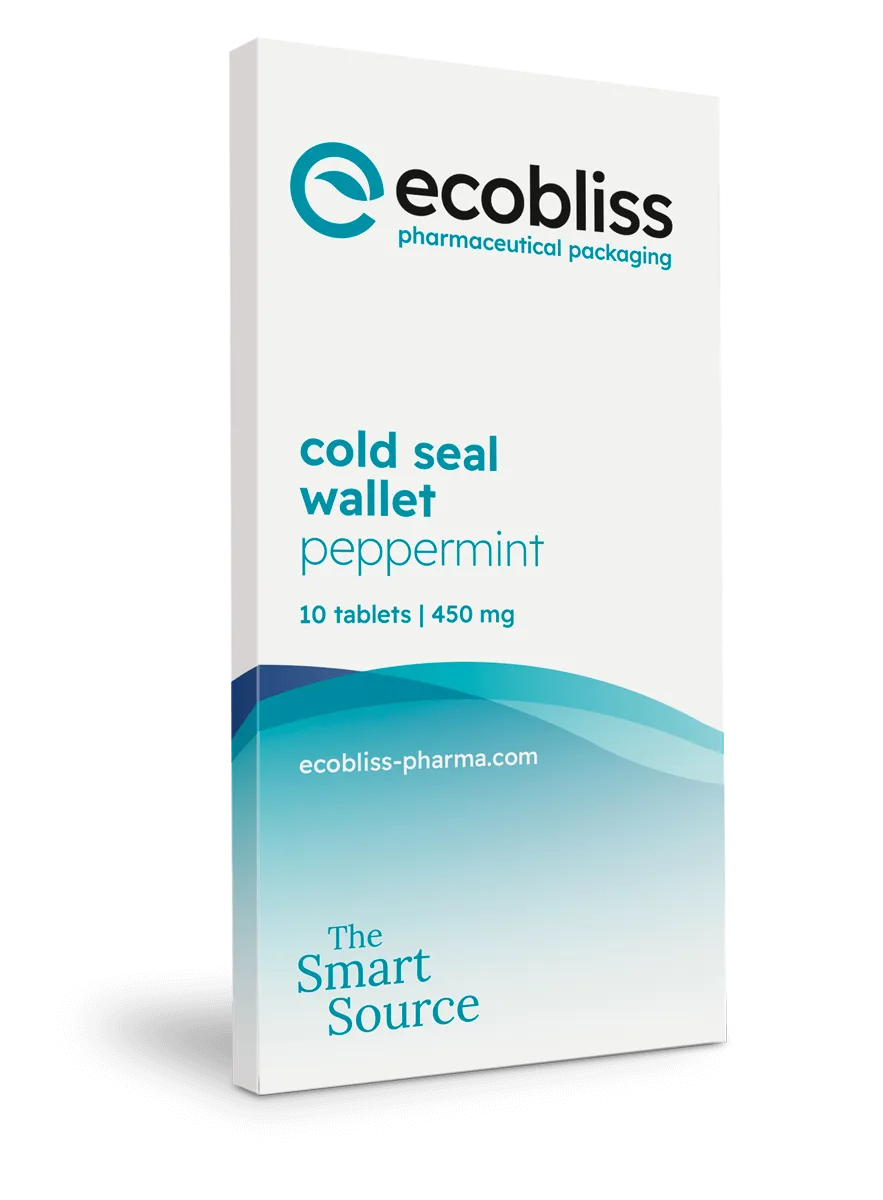
Jeśli naprawdę zależy Ci na ochronie przed wilgocią, zapobieganiu pęknięciom i zabezpieczeniu przed nieuprawnionym otwarciem, blister spełnia wszystkie te trzy funkcje lepiej niż butelka z watą. Każda tabletka znajduje się w osobnej, szczelnej komorze. Nie dochodzi do wymiany wilgoci między dawkami. Zabezpieczenie przed otwarciem jest wbudowane w folię. Nie wysyłasz też luźnego pyłu z pokruszonych tabletek na cały świat. Cold seal blister wallet idą o krok dalej, łącząc w jednym opakowaniu wskazówki wspierające adherencję pacjenta oraz zabezpieczenie przed dostępem dzieci.
Jeśli przechodzisz z formatu butelki na format blistra i chcesz ocenić, co każde z nich oferuje dla Twojego konkretnego API, możemy przeprowadzić Cię przez wszystkie kompromisy. Bawełna była sprytnym rozwiązaniem jak na swoje czasy. Format wokół niej poszedł naprzód.
Zamów bezpłatną próbkę już teraz!