


Ochranné obaly ve farmaceutickém průmyslu jsou zastřešujícím pojmem pro vše, co chrání léky mezi výrobou a použitím pacientem. Zajímavou otázkou není, jaké ochranné prvky existují, ale které funkce skutečně řeší které hrozby. Většina nadměrných výdajů na farmaceutické obaly pochází z vrstvení obranných opatření proti problémům, které produkt nemá.
Čtyři hlavní hrozby
Farmaceutické výrobky selhávají během přepravy nebo skladování ze čtyř obecných příčin. Každá z nich vyžaduje jiné ochranné prvky.
Degradace vlivem prostředí. Vlhkost, kyslík, světlo, teplota. Různé aktivní farmaceutické ingredience se degradují různou rychlostí. Ochranným řešením jsou bariérové materiály přizpůsobené profilu stability.
Mechanické poškození. Drcení tablet, rozbití skleněných lahviček, protržení fólie. Ochranným řešením je strukturální odpružení na sekundární nebo terciární úrovni.
Padělání a manipulace. Balení otevřeno nebo nahrazeno během přepravy. Ochranným řešením je ochrana proti neoprávněné manipulaci a serializace.
Zneužití pacientem. Špatná dávka, nesprávný pacient, náhodné požití dětmi. Ochranným řešením je balení s unit dose, odolnost proti otevření dětmi a design podporující adherenci.
Ochrana založená na materiálech
Různé materiály chrání před různými hrozbami:
Hliníková fólie. Nejvyšší bariéra proti vlhkosti, kyslíku a světlu ve farmaceutických obalech. Standardní volba pro hygroskopické, fotosenzitivní nebo na kyslík citlivé API. Používá se jako lidding na tepelně tvarovaných blistrech nebo jako cold-formed Alu-Alu.
Plasty s PVDC povlakem. Střední odolnost proti vlhkosti, mnohem lepší než samotné PVC. Cenově výhodné pro středně citlivé aktivní farmaceutické ingredience.
ACLAR. Vysoká bariéra proti vlhkosti s ochranou proti světlu.
Sklo. Inertní, nereaguje s produktem, plynotěsné. Standardní pro sterilní injekční roztoky a lyofilizované produkty.
Tyvek. Propustný pro sterilizační plyn, ale blokuje bakterie. Standardní sterilní bariérový obal pro zdravotnické prostředky.
Strukturální ochrana
Kromě materiálů chrání geometrie obalu před mechanickým poškozením:
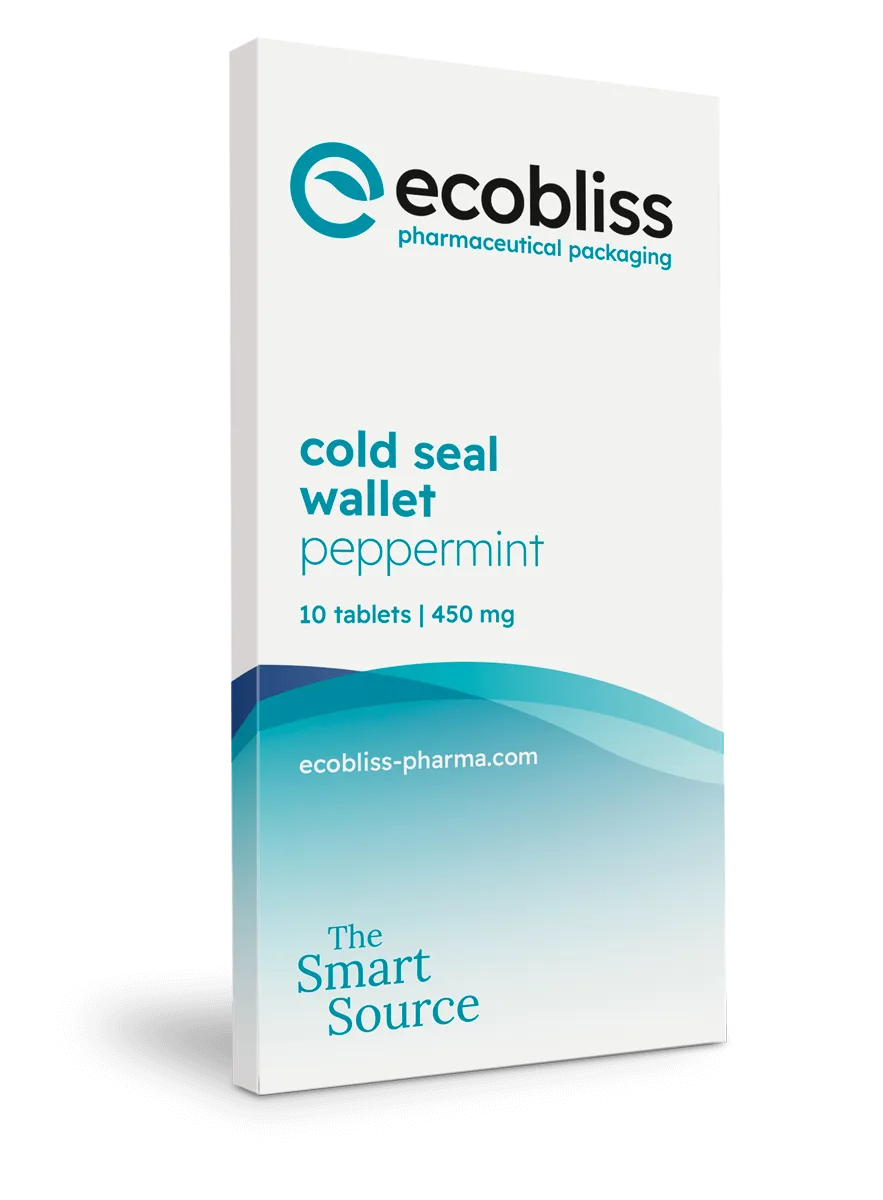
Cold seal wallet. Kartonový wallet přidává pevnou vnější vrstvu, která odolává zmáčknutí a chrání blister uvnitř. Cold seal blister wallet je formát, který nejčastěji používáme pro léky na chronická onemocnění.
Polstrované termoformované misky. Pro zdravotnické prostředky a ampule drží produkt pevně zabudované dutiny, aby se zabránilo jeho pohybu během přepravy.
Skládací kartony. Standardní vnější obal, který dodává strukturální oporu primárnímu obalu uvnitř.
Ochrana proti neoprávněné manipulaci a serializace
Vyžadováno nařízením EU FMD od roku 2019 pro léky na předpis: prvek ochrany před neoprávněnou manipulací a kód 2D Data Matrix. Mezi běžné implementace patří fóliové uzávěry, ochranné pásky a smršťovací fólie. Přečtěte si více o balení s ochranou proti neoprávněné manipulaci ve farmaceutickém průmyslu.
Ochrana na straně pacienta
Bezpečnostní opatření proti otevření dětmi, otevírání vhodné pro seniory, design podporující adherenci k léčbě. Chrání před selháním na straně pacienta (náhodné požití, vynechání dávky, chyby v dávkování). Locked4Kids se stará o bezpečnost proti otevření dětmi. Calendar wallets zajišťují adherenci k léčbě.
Jak specifikovat správnou ochranu
Začněte s údaji o stabilitě. Na jejich základě zvolte materiálovou ochranu. Poté přidejte strukturální prvky, ochranu proti neoprávněné manipulaci a prvky na straně pacienta, které váš produkt potřebuje. Vrstvy, které produkt nepotřebuje, vynechejte, jinak zbytečně komplikujete řešení.
Pokud chcete druhý názor na aktuální specifikaci balení, zašlete nám jeho zadání. Ukážeme vám ochranné vrstvy, které jsou pro váš produkt skutečně důležité.
Požádejte o vzorek zdarma!
.avif)