.avif)

Ξεβιδώνεις ένα καινούργιο μπουκάλι με δισκία και βλέπεις ένα κομμάτι βαμβάκι από πάνω. Οι περισσότεροι το βγάζουν, το πετάνε και ποτέ δεν αναρωτιούνται γιατί ήταν εκεί. Το βαμβάκι έχει έναν πραγματικό λόγο ύπαρξης, τρεις, και είναι μια μικρή φαρμακευτική ιστορία που λέει πολλά για το πώς εξελίχθηκαν οι συσκευασίες.
Η πρώτη δουλειά: εμποδίζει τα δισκία να κροταλίζουν
Τα δισκία παλαιού τύπου ήταν εύθραυστα. Προέρχονταν από πιο σκληρές, λιγότερο επικαλυμμένες συνθέσεις από αυτές που χρησιμοποιούνται σήμερα, και ένα ταξίδι έξι εβδομάδων με πλοίο από ένα εργοστάσιο στο Νιου Τζέρσεϊ σε ένα φαρμακείο στη Μαδρίτη ήταν δύσκολο για αυτά. Τα δισκία ράγιζαν, έσπαγαν, θρυμματίζονταν. Οι πελάτες έβρισκαν σκόνη στον πάτο του μπουκαλιού.
Το βαμβάκι το έλυσε. Μια χαλαρή μπάλα βαμβακιού γεμίζει τον κενό χώρο στο μπουκάλι και εμποδίζει τα δισκία να κινούνται το ένα πάνω στο άλλο. Μέχρι τη δεκαετία του 1940, κάθε φαρμακευτικό προϊόν στερεάς δόσης αποστελλόταν με αυτόν τον τρόπο.
Η δεύτερη δουλειά: απορρόφηση της σκόρπιας υγρασίας
Το βαμβάκι είναι υγροσκοπικό. Απορροφά την υγρασία από τον αέρα γύρω του. Σε ένα σφραγισμένο μπουκάλι που έχει μείνει σε ένα ράφι για μήνες, το βαμβάκι λειτουργεί ως παθητικό αποξηραντικό, απορροφώντας οποιαδήποτε υγρασία έχει διαρρεύσει πέρα από το καπάκι. Για τα δισκία που αποικοδομούνται σε υγρές συνθήκες, αυτό εξοικονομεί χρόνο.
Τα σύγχρονα μπουκάλια το κάνουν αυτό διαφορετικά. Χρησιμοποιούν δοχεία πυριτικής πηκτής ή μοριακά κόσκινα, τα οποία απορροφούν πολύ περισσότερη υγρασία από ό,τι θα μπορούσε ποτέ το βαμβάκι. Αλλά το βαμβάκι ήταν το αρχικό.
Η τρίτη δουλειά: ένδειξη παραβίασης, κατά κάποιο τρόπο
Αν κάποιος άνοιγε το μπουκάλι κατά τη μεταφορά, το βαμβάκι δεν θα έμενε πια άθικτο πάνω στα δισκία. Θα το έσπρωχναν στην άκρη ή θα το τσαλάκωναν. Αυτή η οπτική ένδειξη δεν αντικατέστησε τις σφραγίδες ή το περιτύλιγμα συρρίκνωσης, αλλά πρόσθεσε ένα στρώμα.
Αυτός είναι ο πιο αδύναμος από τους τρεις λόγους σήμερα. Τα σύγχρονα μέσα ασφαλείας είναι οι σφραγίδες αλουμινίου, οι διάτρητες γλωττίδες και οι κωδικοί 2D Data Matrix που σαρώνονται στο φαρμακείο.
Γιατί λοιπόν υπάρχει ακόμα βαμβάκι το 2026
Κυρίως συνήθεια, εν μέρει αντίληψη. Τα δισκία σήμερα είναι επικαλυμμένα, ανθεκτικά και αποστέλλονται σε μαλακά κουτιά. Τα αποξηραντικά πυριτίου έχουν καλύτερες επιδόσεις από το βαμβάκι στην υγρασία. Οι σφραγίδες αλουμινίου υπερτερούν του βαμβακιού στις ενδείξεις παραβίασης. Η υπόθεση υπέρ του βαμβακιού είναι πραγματικά πιο λεπτή από ό,τι ήταν πριν από σαράντα χρόνια.
Πολλές φαρμακευτικές εταιρείες έχουν σταματήσει να το χρησιμοποιούν. Κάποιες το διατηρούν επειδή οι καταναλωτές το περιμένουν, λόγω της αφοσίωσης στο εμπορικό σήμα. Ορισμένοι μικρότεροι κατασκευαστές χρησιμοποιούν παλαιότερο εξοπλισμό που εξακολουθεί να εισάγει αυτόματα το βαμβάκι και η αλλαγή αυτής της γραμμής κοστίζει περισσότερο από το ίδιο το βαμβάκι.
Η εναλλακτική λύση του blister pack
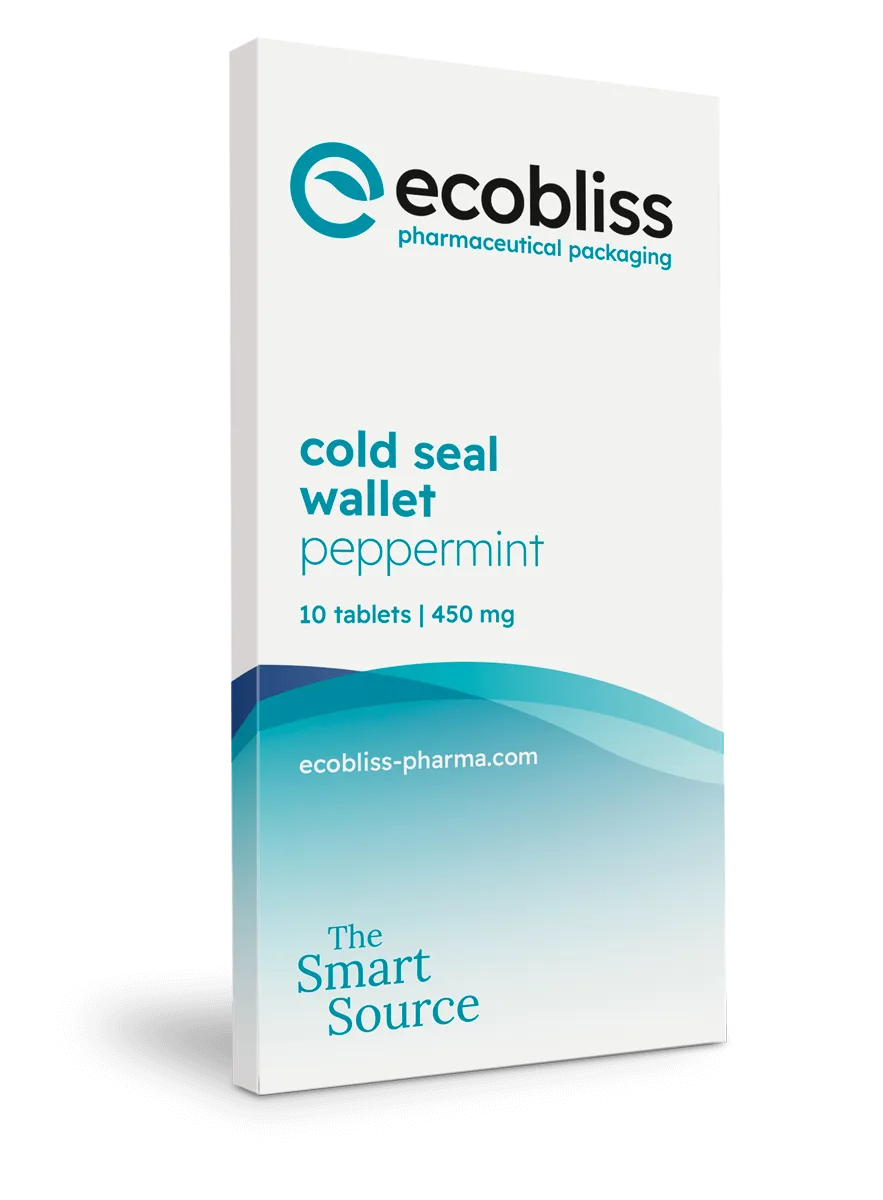
Αν ενδιαφέρεστε πραγματικά για την προστασία από την υγρασία, την πρόληψη θραύσης και την ασφάλεια παραβίασης, ένα blister pack εκτελεί και τις τρεις λειτουργίες καλύτερα από ένα μπουκάλι με βαμβάκι. Κάθε δισκίο βρίσκεται στη δική του σφραγισμένη κοιλότητα. Δεν υπάρχει ανταλλαγή υγρασίας μεταξύ των δόσεων. Η ασφάλεια παραβίασης είναι ενσωματωμένη στο foil. Και δεν στέλνετε τη σκόνη από τα σπασμένα δισκία σε όλο τον κόσμο. Τα Cold seal blister wallets ενισχύουν περαιτέρω αυτό, προσθέτοντας ενδείξεις συμμόρφωσης ασθενή και χαρακτηριστικά child-resistant στην ίδια συσκευασία.
Αν μεταβαίνετε από τη μορφή μπουκαλιού σε μορφή blister και θέλετε να συγκρίνετε τι κάνει το καθένα για το συγκεκριμένο API σας, μπορούμε να σας καθοδηγήσουμε στους συμβιβασμούς. Το βαμβάκι ήταν μια έξυπνη λύση για την εποχή του. Η μορφή γύρω από αυτό έχει εξελιχθεί.
Ζητήστε ένα δωρεάν δείγμα τώρα!