Clinical packaging and labeling: from primary container to patient-safe trial supply

Gianni Linssen
Written by
Gianni Linssen
/ Published on
December 5, 2025
Clinical packaging and labeling transforms bulk drugs into trial-ready kits with compliant design, labeling, and logistics. Discover how the process works.
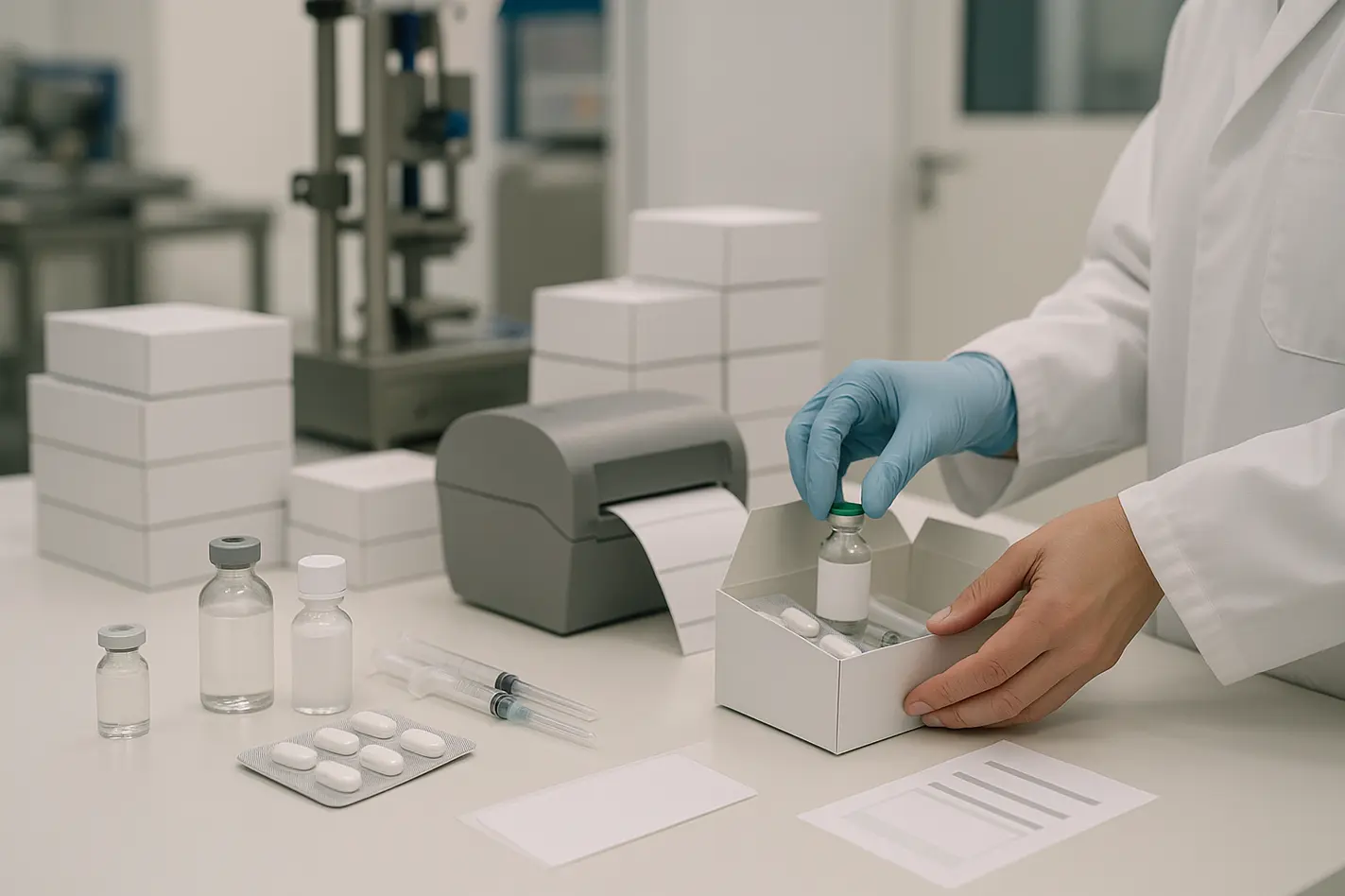
A sterile lab workspace with clinical packaging, labels, and organized materials for safety.

Clinical packaging and labeling means turning bulk trial medicine into patient-ready kits that are safe, clear, and compliant with the rules. It includes choosing the right container, adding labels with the correct information, building subject kits, and shipping them safely. These steps follow good manufacturing practice (GMP) to protect patient safety and the quality of trial data.

• Clinical packaging and labeling covers everything from bulk medicine to site-ready or patient-ready kits.

• It follows strict rules to protect subjects and support reliable data.

• Key elements include primary, secondary, and tertiary packaging layers.

• Protocol changes and multi-country trials create challenges for labeling and design.

• Specialist partners can support kit design, GMP labeling, and controlled logistics.

What clinical packaging and labeling means in a trial

Clinical packaging and labeling includes all activities needed to prepare trial medicines for safe use. It starts with the bulk drug product and ends with labeled kits that go to clinics or directly to patients. This applies to tablets, capsules, syringes, vials, liquid bottles, and even powders or sachets.

The packaging protects the medicine and supports safe use. Labels must include the correct information in the right language for each country. Any errors, such as an incorrect expiry date, can harm patients or make data unreliable. Because of this, packaging and labeling follow strict procedures and checks.

How clinical packaging and labeling differs from commercial packaging

Clinical packaging and labeling is more complex than commercial packaging. Clinical trials often have small batches, short timelines, and frequent changes. For example, if a protocol changes or a country is added, the label must be updated quickly. Commercial packaging stays the same over long periods and is produced in high volumes for retail markets.

Clinical packs may need special layouts to match visit schedules or blinding rules. A trial might use a wallet with a daily calendar in several languages. This would not appear in a public-market tablet pack.

Levels of clinical packaging and labeling: primary, secondary, tertiary

Primary packaging in clinical trials

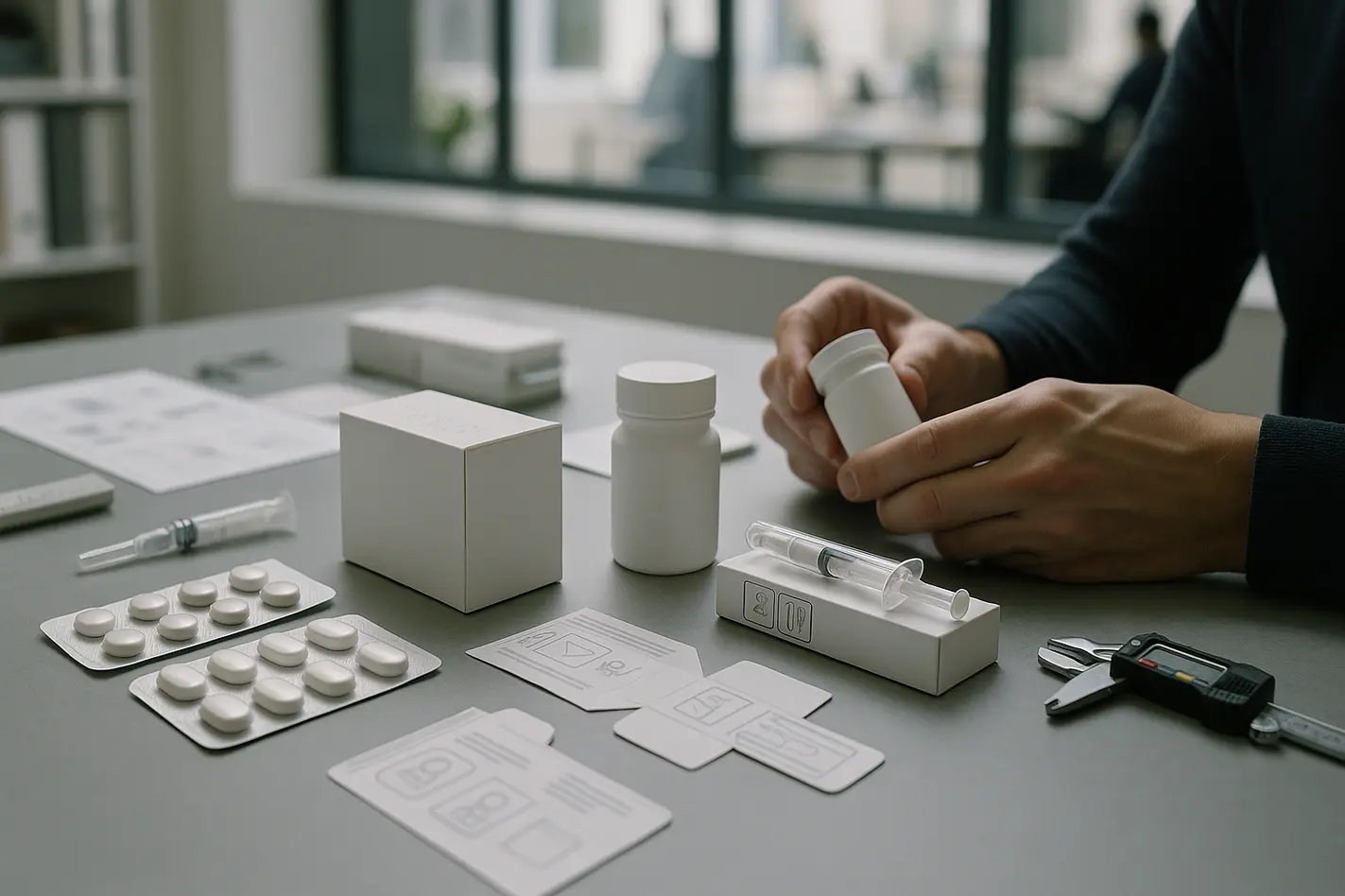
Primary packaging is the first layer that touches the medicine. It includes glass vials, syringes, blister packs, liquid bottles, and sachets. These packs help keep the product stable and allow accurate dosing. The choice depends on the product’s form and how it is given: oral, injection, inhalation, or topical. The pack also needs to fit the storage and handling conditions at sites or at home.

Secondary packaging and patient-centric clinical packs

Secondary packaging holds one or more primary packs. This layer forms patient kits or site kits. Common formats include cartons, kit boxes, calendar wallets, or booklet cartons. These packs guide correct use and may include child-resistant or senior-friendly features. Good design supports patients with low literacy or vision problems so they can follow treatment correctly.

Tertiary packaging and transport protection

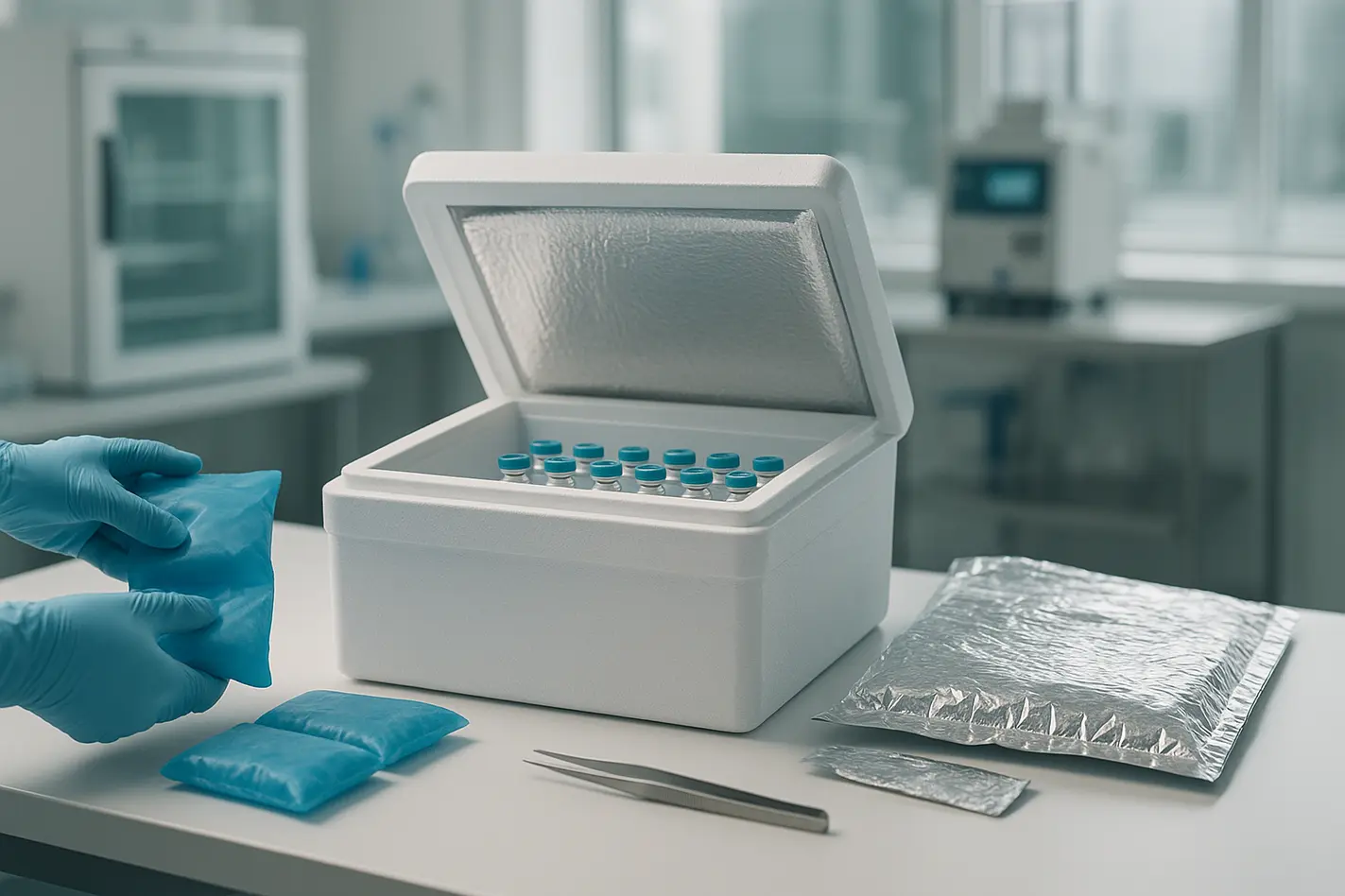
Tertiary packaging protects kits during shipping and storage. It includes insulated containers, shipping cartons, and pallets. These may include temperature data loggers or labels that show if the product stayed within safe ranges. Stable transport conditions are key for product quality until administration.

Regulatory and GMP framework for clinical packaging and labeling

Label rules for investigational and auxiliary medicinal products

Clinical labels must provide all information required by local and international laws. This includes product code or name, dosage, route of use, strength, storage, protocol number, expiry or retest date, subject or kit number, and batch or lot ID. In some cases, emergency contact details must also appear. Labels must match the trial design and local language rules in each country.

Good manufacturing practice for investigational products

GMP rules guide how we package, label, store, and check trial medicine. All steps must be documented to ensure traceability. GMP includes clearing the work area before packing, checking product details during the process, reviewing printed labels, inspecting final kits, and releasing the batch after approval.

How labels protect subjects and data

Good labeling helps prevent dosing errors and makes sure study data stays correct. Labels with clear instructions, the right language, and proper layout help both patients and clinical teams. They also support product tracking from production to use and return.

Blinding, randomization and their impact on clinical packaging and labeling

Keeping active and placebo indistinguishable

In blinded trials, subjects should not know which treatment they receive. So, active and placebo containers must look the same. Labels use neutral terms and may avoid naming the medicine. Over-encapsulation or identical blisters are common ways to make products look alike.

Coding, randomization and unblinding

Labels carry kit numbers or subject codes, not product names. These codes match randomization plans made before the trial. The packing team follows these lists but does not know which treatment each number gives. In emergencies, sponsor teams can open the code to see what medication a subject received, but this must follow strict rules.

End to end clinical packaging and labeling process

From bulk receipt to finished kits

The process starts by receiving and logging the bulk product, comparators, or rescue medication. Each batch is checked for identity and quality. Teams then pack the medicine into subject kits or site kits, based on the protocol. Steps include labeling, grouping items, and boxing them. In-process checks and line clearance make sure the pack is correct.

Label design, approval and printing

Labels are created based on the protocol, country rules, and required languages. A clear layout and graphics help users follow the treatment. The design goes through reviews and approvals, often with translation steps. Each label batch must match the approved design and pass quality control.

Quality release, distribution and returns

After final checks, a qualified person approves the batch. The products are then shipped using systems that meet storage needs and site timelines. Unused kits return to the depot. These are logged and often destroyed. These returns also help improve future planning and avoid waste.

Re-labeling, shelf-life change and over-labeling

Some products are labeled again if the shelf life changes or if the kit is used in a new country. Commercial products may receive extra clinical labels. These steps must follow GMP and good clinical practice, with full records and checks.

Common challenges in clinical packaging and labeling

Many products, strengths and forms

Complex trials may use several dosages or delivery types. This increases the chance of confusion. Using color codes, clear labels, and strong layout design can help reduce that risk.

Protocol amendments and short timelines

Updates to dose, visits, or country scope often lead to new labels or pack types. These changes can cause scrap or delays. Fast design updates and flexible kit options reduce this impact.

Multi-country studies and many label languages

Labels must follow each country’s rules and use the correct language. A single pack might need several texts. Booklets or peel-off labels allow enough space. Delays can happen if country approvals come late in the process.

Avoiding shortages and over-supply

Study sites need the right number of kits at the right time. Forecasting is hard with changing recruitment. Teams balance kit numbers with expiry dates and logistics. Just-in-time packing and strong depot links support this work.

Designing primary and secondary packs for safe and usable clinical supplies

Primary pack decisions linked to the formulation

The formulation and dosing method affect the pack choice. Liquids may use oral syringes or droppers. Solids may go in blisters or bottles. The pack needs to work well in clinical and home settings while keeping the medicine safe and easy to use.

Secondary pack design for adherence and clarity

Secondary packs help subjects take their medicine correctly. Calendar layouts or wallets guide daily use. Clear labels with readable print, icons, and logical layout improve understanding. Booklet cartons allow multiple visits or long instructions in several languages.

Special designs for child-resistant and senior-friendly use

Some packs must be hard for children to open but easy for seniors or people with weak hands. One option is a child-resistant, senior-friendly blister-in-adapter-card concept. This design helps reduce risk for children while keeping use simple for the intended user.

Linking clinical packaging and labeling to logistics and trial operations

Temperature control and transport

Some products need cold or controlled temperatures. Packs must protect them and show temperature limits. Labels explain how to store them at the site. Insulated shippers and temperature loggers are widely used.

Just-in-time packaging and inventory management

Just-in-time (JIT) packaging means packing close to the time of use. This supports fast changes, avoids waste, and allows flexible kit numbers. Large early runs save time but may lead to rework. Each study needs the best mix based on risk and need.

Site workflows and medication error prevention

Clear labeling and pack layout help reduce errors at the site. Kit design should make the right choice easy and storage simple. Logical kit numbers help pharmacies and teams track product use correctly.

Sustainability in clinical packaging and labeling

Reducing material and transport impact

Smaller packs, fewer materials, and better shipper design reduce waste and carbon output. Where allowed, recyclable materials support this goal. Still, safety and compliance remain the top priority.

Balancing sustainability with safety, blinding and compliance

Some extra layers help keep treatment blinded or packs stable. These needs may increase material use. Designers can still improve formats without risk by testing new layouts while following all rules.

Patient-centric examples of sustainable design

One real-world example is a case study that combines patient experience and sustainability in packaging. It used easy-to-handle packs with less plastic to keep treatment safe while reducing impact.

Roles, responsibilities and the place of specialist packaging partners

Who does what in the clinical supply chain

Sponsors plan the trial and manage regulatory approvals. CROs help execute and monitor the study. Packaging partners design the kit layout, print labels, and pack kits under GMP. Depots store and ship to sites. Sites then give the treatment and track how it is used.

What sponsors often outsource to clinical packaging partners

Sponsors may ask partners to handle format design, labeling, GMP packaging, and shipment-ready kits. We provide specialist clinical trial packaging services for products that need secure formats and full traceability under strict timelines.

How good packaging and labeling design supports timelines and launch

Well-designed kits reduce the risk of error, delay, or waste. This helps the trial finish on time and supports smooth steps to market. You can explore our approach to reducing lead times and supporting time-to-market for more details about how this works in practice.

Bringing it all together for safe, efficient clinical trials

Clinical packaging and labeling connects safety, compliance, timing, and usability in one process. Early and careful design helps protect patients, avoid mistakes, and save time. Every trial has its own needs, but a strong packaging approach and the right partners help it succeed.

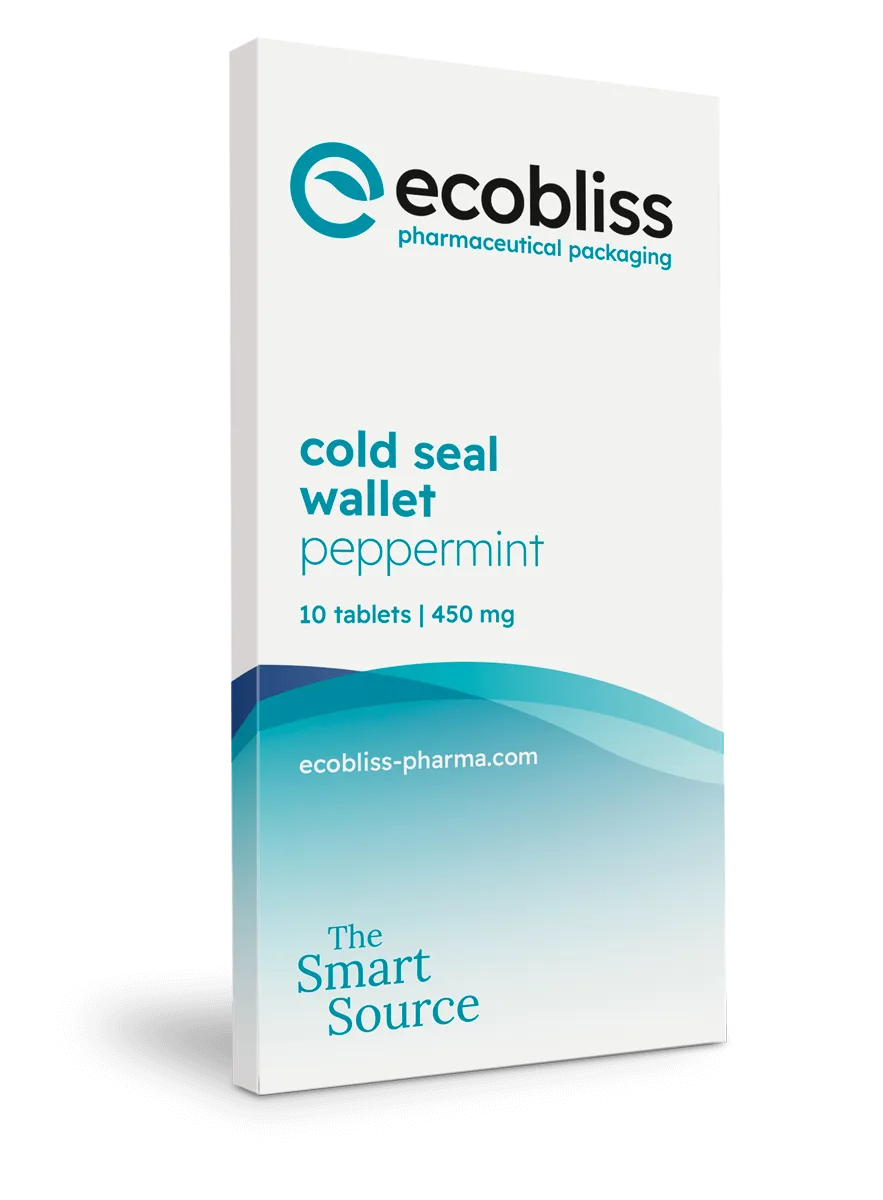
If you want to explore specific kit types or calendar wallets for your study, you can request a packaging sample to explore concrete solutions.

Request a free sample now!

Ecobliss Pharmaceutical cold seal wallet
Do you want to experience first hand the usability and quality of our packaging solutions? We'll send you one!
Request the free sample!

Contact the team

Our team is fine blend of knowledge, experience and eagerness. Give them a call. Or send a message to call you back at a convenient time for you.
Gianni Linssen

Gianni Linssen

+31625517974
Timo Kubbinga

Timo Kubbinga

+31627348895
Jaime Wauben

Jaime Wauben

+31615446090

Or send a message

Thank you! Your submission has been sent! I'll contact you soon.
Oops! Something went wrong while submitting the form.
Sample Request
Quickscan
Schedule a meeting

One moment please, loading calendar...

Schedule a meeting
Icon calendarClose icon