.avif)

Quando si svita il tappo di una nuova confezione di compresse, si trova un batuffolo di cotone in cima. La maggior parte delle persone lo estrae, lo butta via e non si chiede mai perché fosse lì. In realtà, quel batuffolo di cotone ha una ragione d'essere ben precisa, anzi tre, ed è un piccolo frammento di storia farmaceutica che dice molto su come si è evoluto il packaging.
Il primo compito: impedire che le compresse facciano rumore
Le compresse di una volta erano fragili. Erano prodotte con formulazioni più dure e meno rivestite rispetto a quelle che si assumono oggi, e un viaggio in nave di sei settimane da una fabbrica nel New Jersey a una farmacia di Madrid le danneggiava gravemente. Le compresse si incrinavano, si rompevano, si scheggiavano. I clienti trovavano polvere sul fondo del flacone.
Il cotone ha risolto il problema. Una pallina di cotone riempie lo spazio vuoto nella bottiglia e impedisce alle compresse di muoversi l'una contro l'altra. Negli anni '40, tutti i farmaci in forma solida venivano spediti in questo modo.
Il secondo compito: assorbire l'umidità residua
Il cotone è igroscopico. Assorbe l'umidità dall'aria circostante. In una bottiglia sigillata rimasta su uno scaffale per mesi, il cotone agisce come un essiccante passivo, assorbendo l'umidità eventualmente penetrata attraverso il tappo. Per le compresse che si degradano in condizioni di umidità, questo permette di guadagnare tempo.
Le bottiglie moderne funzionano diversamente. Utilizzano contenitori in gel di silice o setacci molecolari, che assorbono molta più umidità di quanto il cotone avrebbe mai potuto fare. Ma il cotone è stato il materiale originale.
Il terzo compito: l'antimanomissione, in un certo senso
Se qualcuno avesse aperto il flacone durante il trasporto, il cotone non sarebbe più rimasto intatto sopra le compresse. Si sarebbe spostato o accartocciato. Questo dettaglio visivo non sostituiva i sigilli o la pellicola termoretraibile, ma aggiungeva un ulteriore livello di protezione.
Oggi, questa è la più debole delle tre ragioni. I moderni sistemi antimanomissione includono sigilli in alluminio, linguette perforate e codici Data Matrix 2D che vengono scansionati in farmacia.
Allora perché il cotone è ancora presente nel 2026?
Principalmente per abitudine, in parte per percezione. Oggi le compresse sono rivestite, robuste e spedite in scatole imbottite. I disidratanti a base di silice sono più efficaci del cotone nell'assorbimento dell'umidità. I sigilli in alluminio superano il cotone in termini di resistenza alla manomissione. Le ragioni a favore del cotone sono effettivamente meno convincenti rispetto a quarant'anni fa.
Molte aziende farmaceutiche hanno smesso di usarlo. Alcune lo mantengono perché i consumatori se lo aspettano, per una questione di fedeltà al marchio. Alcuni produttori più piccoli utilizzano ancora macchinari obsoleti che inseriscono il cotone automaticamente e la sostituzione di quella linea costa più del cotone stesso.
L'alternativa al blister
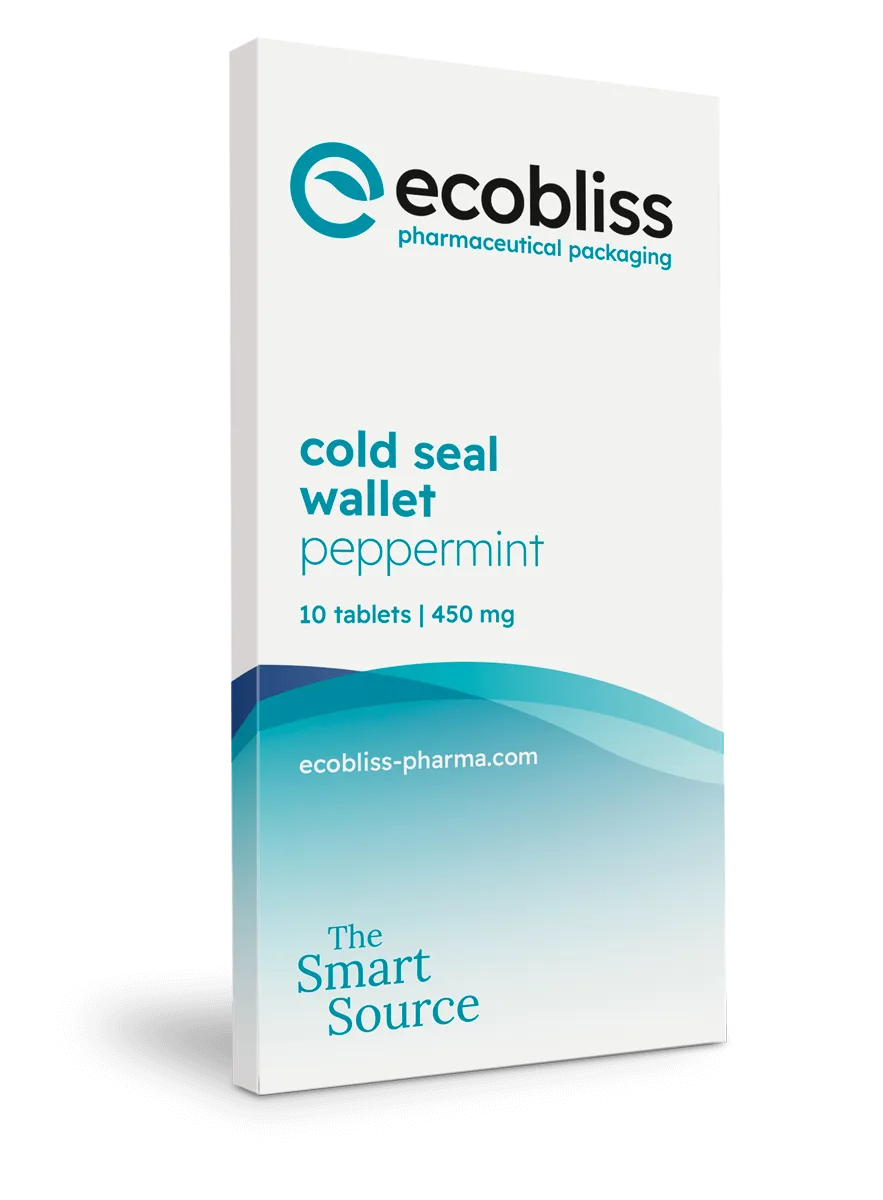
Se tieni davvero alla protezione dall'umidità, alla prevenzione delle rotture e alla garanzia di non manomissione, un blister svolge tutte e tre queste funzioni meglio di un flacone con cotone. Ogni compressa è alloggiata in un apposito scomparto sigillato. Non c'è scambio di umidità tra le dosi. La garanzia di non manomissione è integrata nella lamina. E non dovrai spedire in giro per il mondo la polvere delle compresse rotte. I blister Cold seal vanno oltre, aggiungendo nella stessa confezione indicazioni per l'aderenza del paziente alla terapia e caratteristiche di sicurezza a prova di bambino.
Se stai passando dal formato bottiglia al formato blister e desideri confrontare i vantaggi di ciascun formato per il tuo principio attivo specifico, possiamo illustrarti i pro e i contro. Il cotone era una soluzione ingegnosa per l'epoca. Il formato in cui veniva utilizzato si è evoluto.
Richiedi subito un campione gratuito!