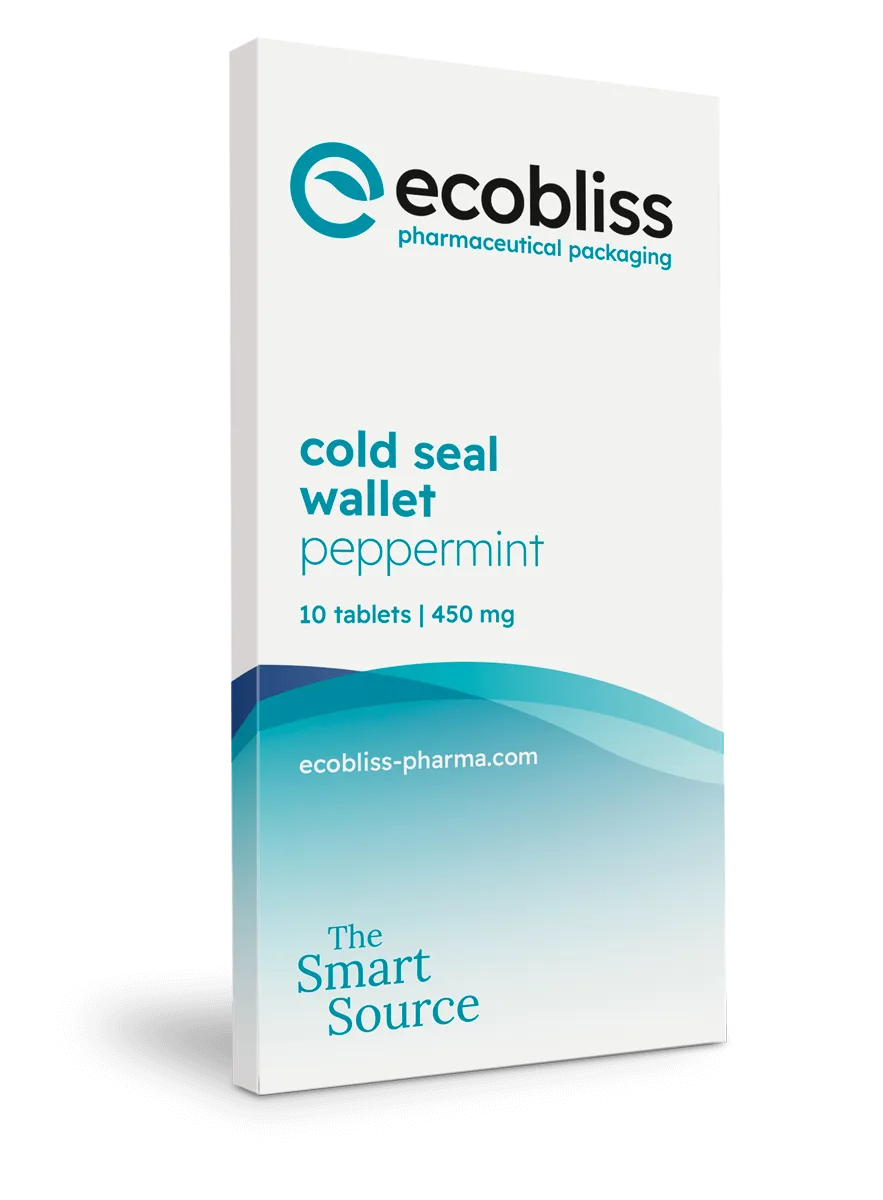


L'aderenza alla terapia è uno di quei temi per cui la letteratura scientifica è vasta, ma le guide pratiche per l'implementazione sono scarse. La maggior parte dei team farmaceutici sa di avere un problema di aderenza, ma pochi dispongono di un elenco concreto di soluzioni. Ecco cinque interventi che si sono dimostrati efficaci nella pratica, in ordine approssimativo di impatto per sforzo richiesto.
1. Confezioni wallet a calendario
L'intervento più efficace in assoluto tra quelli pubblicati in letteratura. Un wallet con stampati i giorni della settimana aumenta l'aderenza alla terapia di circa il 30% rispetto a una confezione generica. I pazienti danno un'occhiata, controllano se lo scomparto del martedì è vuoto o pieno e, in caso contrario, prendono il farmaco.
Perché funziona: scarica il lavoro di memoria dal paziente sulla confezione. Non devono ricordare se hanno preso la dose del giorno prima, glielo dice il wallet.
Perché le case farmaceutiche a volte lo evitano? Perché costa leggermente di più rispetto a una confezione generica. I conti tornano quasi sempre a favore del wallet, ma la decisione sul wallet viene spesso presa dagli acquisti anziché dagli affari medici.
2. Dosaggio con codice colore per i regimi di titolazione
Per le terapie oncologiche, neurologiche e ormonali che prevedono un aumento graduale del dosaggio nell'arco di diverse settimane, la codifica a colori previene la confusione. A ogni dosaggio corrisponde un colore. Il paziente segue la sequenza cromatica anziché leggere le istruzioni di dosaggio ogni mattina.
Abbiamo spedito confezioni per la titolazione contenenti fino a 168 compresse di cinque diversi dosaggi, in un unico wallet a prova di bambino. Il paziente assume la compressa giusta al giorno giusto grazie alla guida dei colori.
3. Apertura adatta agli anziani
Fondamentale per la popolazione over 70, che rappresenta la principale causa di problemi di aderenza terapeutica. Linguette di apertura larghe, etichette chiare con caratteri grandi, apertura intuitiva. I blister push-through sono spesso inadatti a questa fascia d'età; i cold seal wallet con meccanismo di apertura a strappo funzionano meglio.
Eseguite i test con utenti anziani reali, non con utenti interni. I test di accettazione da parte dei pazienti individuano problemi che il controllo qualità interno non riesce a rilevare.
4. Chiarezza multilingue per i lanci internazionali
Per le sperimentazioni cliniche e i lanci commerciali in diversi mercati dell'UE, i foglietti illustrativi in sette o nove lingue prevengono errori di dosaggio causati da istruzioni mal interpretate. In combinazione con l'iconografia universale, si coprono anche i casi in cui il paziente non legge affatto l'etichetta.
5. Integrazione dello Smart Pack con le app per il monitoraggio dell'aderenza alla terapia
I tag NFC o i codici Data Matrix 2D sono collegati a un'app per il paziente. Il paziente scansiona la confezione e l'app registra la dose assunta. L'operatore sanitario visualizza i dati di aderenza in tempo reale e può intervenire in caso di alterazioni della terapia.
L'impatto è massimo se combinato con i quattro interventi di packaging sopra descritti, mentre è minimo se utilizzato da solo. L'app senza il calendar wallet è solo un'app aggiuntiva che il paziente ignora.
Cosa non funziona
Alcuni interventi che sembrano promettenti sulla carta ma deludono nella pratica:
- Foglietti illustrativi di farmaci generici che nessuno legge.
- Flaconi per pillole con tamponi di cotone (la tradizione del cotone nei flaconi per pillole è un retaggio del packaging, non uno strumento per favorire l'aderenza alla terapia).
- Messaggi di promemoria senza integrazione con il monitoraggio delle dosi.
- Video informativi per i pazienti, forniti dopo la consegna della prima ricetta.
Come ti aiutiamo
Integriamo il design per l'aderenza alla terapia nei cold seal blister wallet per farmaci cronici e studi clinici. Calendario, codici colore, apertura adatta agli anziani, integrazione con smart pack: tutto questo è presente nello stesso wallet, se il prodotto lo richiede.
Se state lanciando un farmaco per terapie croniche o state conducendo uno studio clinico in cui l'aderenza alla terapia è fondamentale e desiderate progettare la confezione in modo da garantire la compliance fin dall'inizio, inviateci una breve descrizione. Oppure, se desiderate vedere come si presenta un calendar titration wallet, potete richiedere dei campioni.
Richiedi subito un campione gratuito!