.avif)

Draait u een nieuw flesje tabletten open, dan zit er een propje watten bovenop. De meeste mensen halen het eruit, gooien het weg en vragen zich nooit af waarom het er zat. Die watten hebben echter wel degelijk een functie, sterker nog, drie functies, en het is een stukje farmaceutische geschiedenis dat veel zegt over hoe verpakkingen zich hebben ontwikkeld.
De eerste taak: voorkom dat de tabletten gaan rammelen.
Tabletten van vroeger waren broos. Ze werden geperst uit hardere, minder gecoate formules dan de tabletten die tegenwoordig worden gebruikt, en een zes weken durende bootreis van een fabriek in New Jersey naar een apotheek in Madrid was zwaar voor ze. Tabletten barstten, braken en brokkelden af. Klanten kregen stof op de bodem van het flesje.
Katoen bood de oplossing. Een losse prop katoen vult de ruimte bovenin de fles en voorkomt dat de tabletten tegen elkaar schuiven. Tegen de jaren 40 werden alle geneesmiddelen in vaste vorm op die manier verzonden.
De tweede taak: overtollig vocht absorberen.
Katoen is hygroscopisch. Het onttrekt vocht aan de omringende lucht. In een afgesloten fles die maandenlang in de kast heeft gestaan, werkt het katoen als een passief droogmiddel en absorbeert het al het vocht dat langs de dop is binnengedrongen. Voor tabletten die in vochtige omstandigheden bederven, geeft dat extra tijd.
Moderne flessen doen dit anders. Ze gebruiken silicagelpatronen of moleculaire zeven, die veel meer vocht absorberen dan katoen ooit zou kunnen. Maar katoen was het origineel.
De derde taak: sabotage zichtbaar maken, min of meer.
Als iemand de fles tijdens het transport zou openen, zou het katoen niet langer netjes bovenop de tabletten liggen. Het zou opzij worden geschoven of verfrommeld raken. Dat visuele teken verving geen verzegeling of krimpfolie, maar het voegde wel een extra beschermlaag toe.
Dit is tegenwoordig de zwakste van de drie argumenten. Moderne fraudebestendige verpakkingen bevatten foliezegels, geperforeerde lipjes en 2D Data Matrix-codes die bij de apotheek worden gescand.
Waarom is katoen er dan nog steeds in 2026?
Vooral gewoonte, deels perceptie. Tabletten zijn tegenwoordig gecoat, robuust en worden verzonden in kartonnen dozen met bescherming. Silica-droogmiddelen presteren beter dan katoen als het gaat om vocht. Foliezegels bieden betere bescherming tegen manipulatie dan katoen. De argumenten voor katoen zijn daadwerkelijk minder sterk dan veertig jaar geleden.
Veel farmaceutische bedrijven zijn ermee gestopt. Sommige blijven het gebruiken omdat consumenten het verwachten, een kwestie van merkloyaliteit. Sommige kleinere fabrikanten gebruiken nog steeds oudere apparatuur die automatisch watten inbrengt, en het vervangen van die lijn kost meer dan de watten zelf.
Het alternatief voor de blister pack
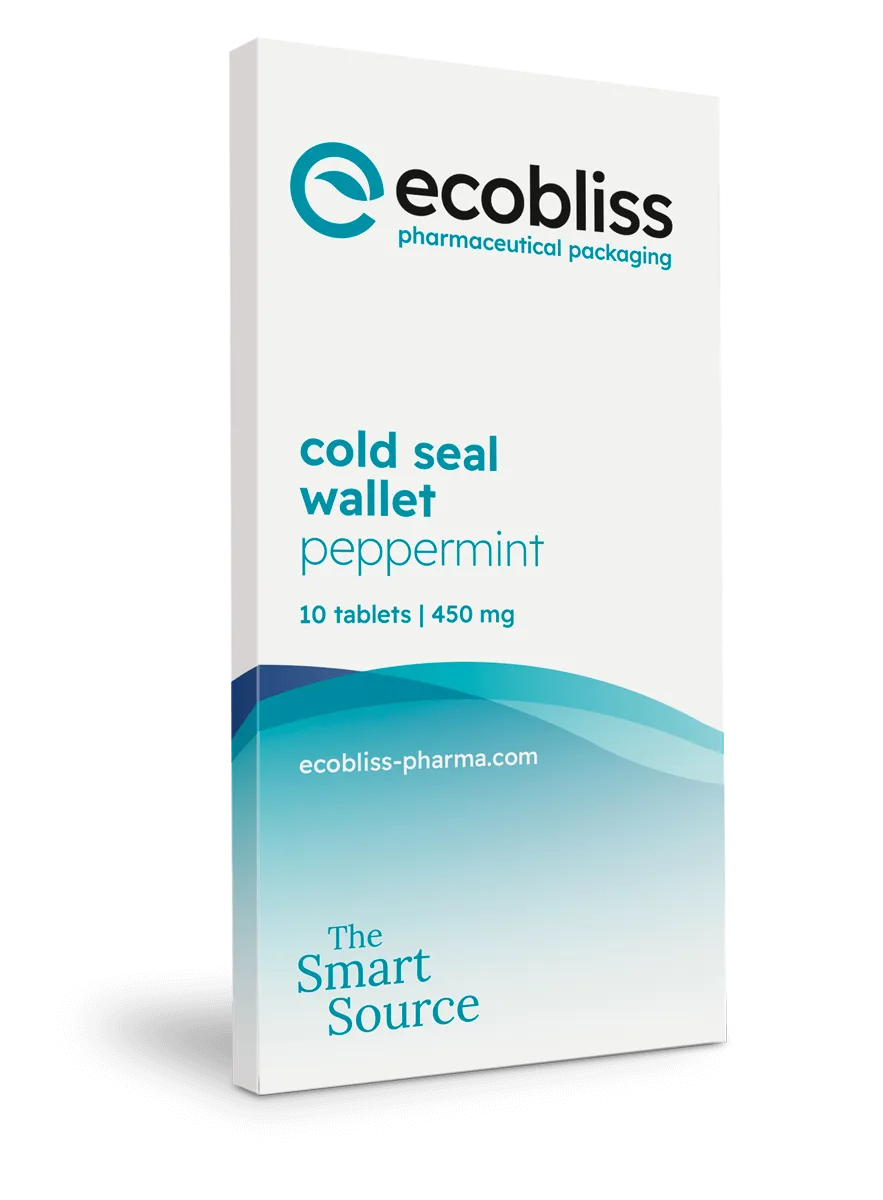
Als u echt waarde hecht aan vochtbescherming, het voorkomen van breuk en manipulatiebeveiliging, dan biedt een blister pack alle drie beter dan een flesje met watten. Elke tablet zit in een eigen, afgesloten holte. Er vindt geen vochtuitwisseling plaats tussen de doses. Manipulatiebeveiliging zit ingebouwd in de folie. En u hoeft het losse stof van gebroken tabletten niet de hele wereld over te verzenden. Cold seal blister wallets gaan nog een stap verder door ook instructies voor therapietrouw en kindveilige functies in dezelfde verpakking te integreren.
Als u overstapt van een flesverpakking naar een blister pack en wilt vergelijken wat beide voor uw specifieke API betekenen, kunnen we u de voor- en nadelen uitleggen. De katoenen verpakking was destijds een slimme oplossing. De verpakkingsvorm is inmiddels verder ontwikkeld.
Vraag nu een gratis monster aan!