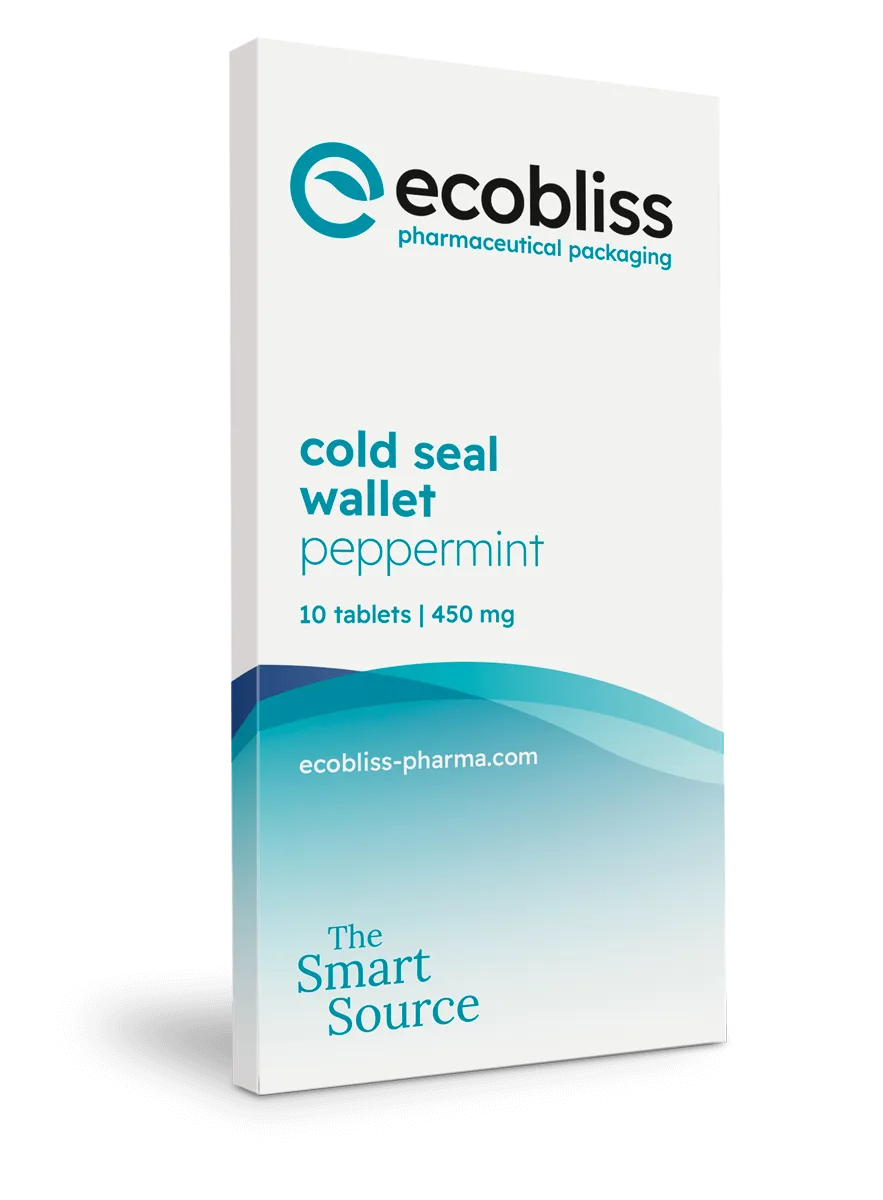


Therapietrouw is een onderwerp waarover veel literatuur bestaat, maar weinig praktische implementatiehandleidingen. De meeste farmaceutische teams weten dat ze een probleem hebben met therapietrouw. Weinig teams hebben echter een concrete lijst met mogelijke oplossingen. Hieronder volgen vijf interventies die in de praktijk effectief blijken, in volgorde van impact per inspanning.
1. Calendar wallet-verpakking
De meest effectieve interventie in de gepubliceerde literatuur. Een wallet met de dagen van de week erop gedrukt verhoogt de therapietrouw met ongeveer 30% ten opzichte van een standaard carton. Patiënten kijken even of het vakje voor dinsdag leeg of vol is, en nemen de tablet als dat niet het geval is.
Waarom het werkt: het neemt de geheugentaak van de patiënt over naar de verpakking. Ze hoeven niet te onthouden of ze hun dosis van gisteren hebben ingenomen, de wallet laat het ze zien.
Waarom farmaceutische bedrijven het soms overslaan: het kost iets meer dan een standaard carton. De rekensom valt bijna altijd in het voordeel van de wallet uit, maar de beslissing wordt vaak genomen door de inkoopafdeling in plaats van medical affairs.
2. Kleurgecodeerde dosering voor titratieschema's
Bij oncologische, neurologische en hormoontherapieën waarbij de dosering over meerdere weken wordt opgebouwd, voorkomen kleurgecodeerde stappen verwarring. Elke sterkte heeft zijn eigen kleur. De patiënt volgt de kleurvolgorde in plaats van elke ochtend de doseringsinstructies te lezen.
We hebben titratieverpakkingen verzonden met maximaal 168 tabletten in vijf sterktes, verpakt in één kindveilige wallet. De patiënt neemt de juiste tablet op de juiste dag in, omdat de kleuren de dosering aangeven.
3. Seniorvriendelijke opening
Cruciaal voor de 70+-doelgroep die in de praktijk de meeste problemen met therapietrouw veroorzaakt. Brede afpelbare lipjes, duidelijke etiketten met grote letters en een intuïtieve openingsrichting. Push-through blisters zijn vaak niet geschikt voor deze groep; cold seal wallets met een afpelmechanisme werken beter.
Test met daadwerkelijke oudere gebruikers, niet met interne surrogaten. Acceptatietesten bij patiënten brengen problemen aan het licht die interne kwaliteitscontrole telkens over het hoofd ziet.
4. Duidelijke communicatie in meerdere talen voor internationale lanceringen
Voor proeven en commerciële lanceringen in meerdere EU-markten voorkomen bijsluiters in zeven of negen talen doseringsfouten als gevolg van verkeerd gelezen instructies. In combinatie met universele iconen dekt dit ook de gevallen waarin de patiënt de bijsluiter helemaal niet leest.
5. Integratie van slimme verpakkingen met therapietrouw-apps
NFC-tags of 2D Data Matrix-codes gekoppeld aan een patiëntenapp. De patiënt scant de verpakking, de app registreert de dosis. De zorgverlener ziet realtime gegevens over de therapietrouw en neemt actie wanneer het therapietrouwpatroon afwijkt.
Het effect is het grootst in combinatie met de vier bovengenoemde verpakkingsinterventies, en het zwakst wanneer de app afzonderlijk wordt gebruikt. De app zonder de calendar wallet is slechts een extra app die de patiënt negeert.
Wat werkt niet
Enkele interventies die er op presentaties goed uitzien, maar in de praktijk tegenvallen:
- Generieke bijsluiters die niemand leest.
- Pillenflesjes met katoenvulling (de katoen in pillenflesjes-traditie is een verpakkingsartefact, geen middel om therapietrouw te bevorderen).
- Herinneringsberichten zonder integratie met dosisregistratie.
- Patiëntenvoorlichtingsvideo's die worden aangeboden nadat het eerste recept is ingevuld.
Hoe wij helpen
We integreren therapietrouwdesign in cold seal blister wallets voor chronische medicatie en klinische studies. Kalender, kleurcodes, seniorvriendelijke opening, smart-pack-integratie: alles op dezelfde wallet als het product dat vereist.
Als u een chronisch geneesmiddel op de markt brengt of een onderzoek uitvoert waarbij therapietrouw cruciaal is en u de verpakking vanaf het begin wilt ontwerpen met het oog op compliance, stuur ons dan de briefing. Of vraag om samples als u wilt zien hoe een calendar titration wallet eruitziet.
Vraag nu een gratis monster aan!