


Opakowanie wtórne to warstwa łącząca lek z pacjentem. Karton, wallet, zestaw, opakowanie zbiorcze. Zawiera markę, ulotkę, plombę zabezpieczającą i kod FMD 2D Data Matrix. Opakowanie pierwotne ma kontakt z API i skupia na sobie całą uwagę organów regulacyjnych. Opakowanie wtórne nie ma kontaktu z API i skupia na sobie mniej uwagi niż powinno.
Dlaczego opakowania wtórne mają większe znaczenie, niż sugeruje ich reputacja
Opakowanie pierwotne zapewnia stabilność leku. Opakowanie wtórne decyduje o tym, czy pacjent przyjmie lek.
Wallet z nadrukowanym kalendarzem zwiększa wskaźnik przestrzegania zaleceń o około 30% w porównaniu z opakowaniem standardowym. Ta pojedyncza decyzja projektowa często ma większą wartość w rzeczywistych wynikach klinicznych niż modyfikacja składu API. Decyzja ta zapada na poziomie opakowania wtórnego, a nie pierwotnego.
Wielojęzyczna etykieta w formie broszury zapobiega błędom w dawkowaniu, które mogłyby wystąpić w przypadku opakowania w jednym języku. Opakowanie zewnętrzne z zabezpieczeniem przed otwarciem przez dzieci zapobiega przypadkowemu połknięciu, co nie miałoby miejsca w przypadku zwykłego opakowania. Obie decyzje dotyczą opakowania wtórnego, żadna nie dotyczy pierwotnego.
Co obejmuje opakowanie wtórne
Popularne formaty:
Pudełka składane. Tekturowe opakowanie zewnętrzne z ulotką dla pacjenta w środku. Standardowe opakowanie dla większości leków na receptę. Zawiera branding, kod FMD i informacje regulacyjne.
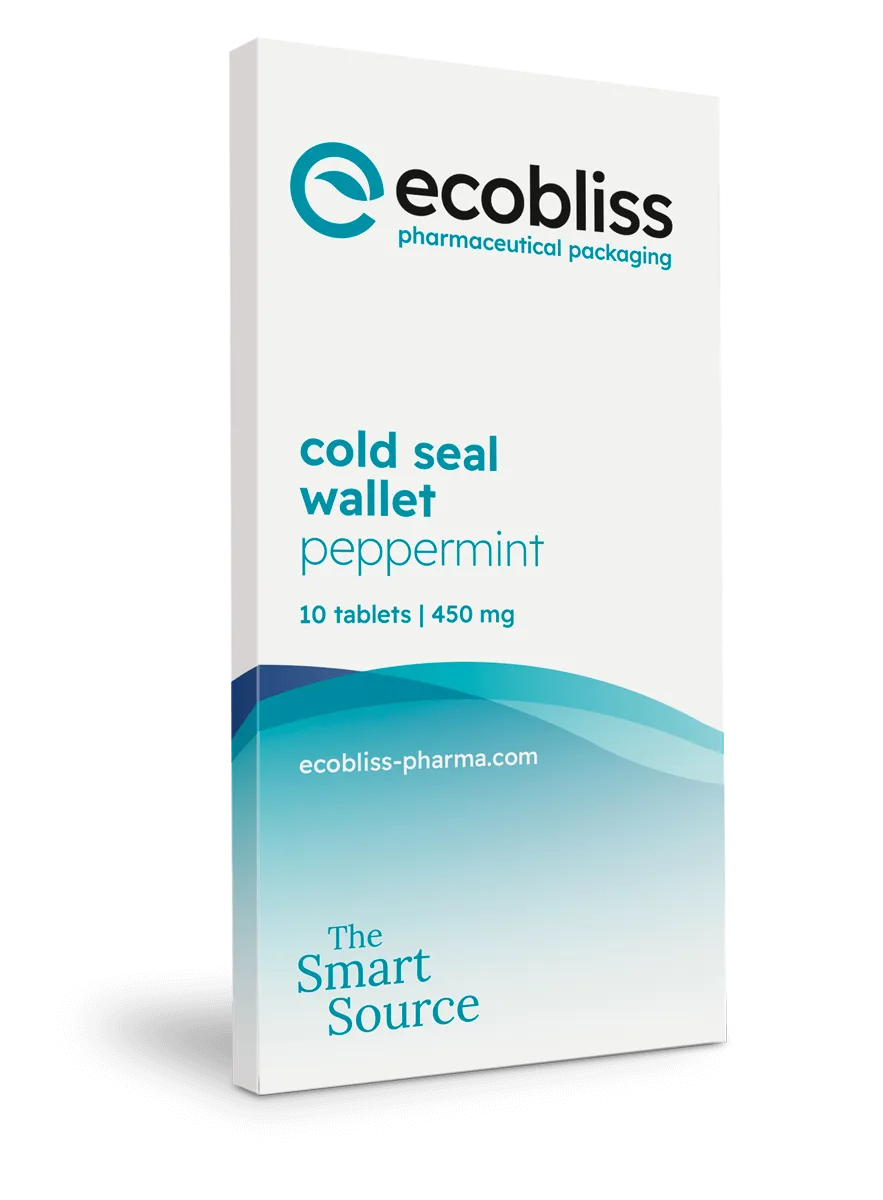
Cold seal blister wallets. Blister jest przyklejany bezpośrednio do tekturowego wallet, często z nadrukowanym układem kalendarza. Lepsze dla osób stosujących leki przewlekle niż standardowe opakowanie kartonowe.
Zestawy wieloskładnikowe. Wiele podstawowych pakietów zgrupowanych razem na potrzeby badań klinicznych, terapii skojarzonych lub produktów dostępnych bez recepty.
Zestawy wielopaków. Przyjazne dla szpitali zestawy podstawowych opakowań, często dostosowane do cyklu leczenia.
A także elementy spełniające wymogi prawne: paski lub plomby zabezpieczające przed otwarciem, kody 2D Data Matrix zgodne z dyrektywą FMD, pismo Braille'a na opakowaniu zewnętrznym, wielojęzyczne etykiety broszurowe w przypadku premier międzynarodowych.
Gdzie wprowadzenia na rynek zawodzą po stronie opakowań wtórnych
Dwa wzorce, które obserwujemy podczas rzeczywistych wprowadzeń na rynek:
Niedopasowanie pierwotnego i wtórnego. Karton jest specyfikowany przed ostatecznym ustaleniem geometrii blistra, blister ociera się o ściankę kartonu podczas transportu, folia się rysuje, zabezpieczenie przed otwarciem wygląda na uszkodzone, nawet jeśli nie jest, farmaceuta odmawia wydania. Prawdziwy problem ze zwrotami.
Przestrzeganie zaleceń jako sprawa drugoplanowa. Piękne opakowanie, standardowy blister w środku. Po sześciu miesiącach wskaźniki uzupełniania są o 40% niższe niż przewidywano w badaniu. Projekt wallet, który mógłby zwiększyć wskaźnik przestrzegania zaleceń o 30%, miał pojawić się w kolejnym cyklu produktowym, który nigdy nie doszedł do skutku.
Obu tych kwestii można uniknąć, jeśli od samego początku w rozmowach o wprowadzeniu produktu na rynek uwzględni się opakowania wtórne.
Zrównoważony rozwój w opakowaniu wtórnym
Jeśli pracujesz nad zrównoważonym rozwojem swojego opakowania, to właśnie w sektorze wtórnym tkwi jego największy potencjał. Tektura z certyfikatem FSC, kleje na bazie wody, nadające się do recyklingu mono-material wallets, rozdzielane warstwy po zakończeniu cyklu życia. Żadne z tych rozwiązań nie jest możliwe na poziomie pierwotnym w przypadku większości substancji czynnych, ponieważ wymagania dotyczące właściwości barierowych są zbyt rygorystyczne.
Cold seal wallets łączą tekturę nadającą się do recyklingu z mniejszą wnęką blistrową. Pacjent może rozdzielić warstwy, poddać wallet recyklingowi i wyrzucić znacznie mniejszy blister. To najbardziej wiarygodna argumentacja na rzecz zrównoważonego rozwoju w branży opakowań farmaceutycznych.
Jeśli określasz zakres opakowań wtórnych
Rozmowa z większością klientów zaczyna się w ten sam sposób: opowiadają nam o opakowaniu podstawowym, profilu pacjenta, rynkach i celach regulacyjnych. Następnie przechodzimy do wallet, kartonu i zestawu. Większość opakowań wtórnych, które sprawdzają się w praktyce, jest dopracowywana dwa lub trzy razy, zanim zostanie ostatecznie zatwierdzona.
Prześlij nam brief, jeśli planujesz premierę w 2026 lub 2027 roku. Wrócimy z dwiema lub trzema konfiguracjami i próbką. Możesz też dowiedzieć się więcej o naszej usłudze pakowania wtórnego.
Zamów bezpłatną próbkę już teraz!

.avif)