.avif)

Odskrutkujete novú fľaštičku s tabletami a na vrchu je vatový tampón. Väčšina ľudí ho vytiahne, zahodí a nikdy sa nezamyslí nad tým, prečo tam bol. Vata má skutočný dôvod existencie, hneď tri, a je to kúsok farmaceutickej histórie, ktorý veľa hovorí o tom, ako sa balenie vyvíjalo.
Prvá úloha: zastaviť hrkotanie tabliet
Tablety starého typu boli krehké. Lisovali sa z tvrdších, menej potiahnutých formulácií ako tie, ktoré používate dnes, a šesťtýždňová cesta loďou z továrne v New Jersey do lekárne v Madride bola pre ne náročná. Tablety praskali, lámali sa, odštiepovali. Zákazníkom sa na dne fľaše usadzoval prach.
Vata to vyriešila. Voľná guľôčka vaty vyplní priestor nad fľašou a zabráni tabletám v pohybe proti sebe. V 40. rokoch 20. storočia sa každý farmaceutický výrobok v pevnej forme dodával týmto spôsobom.
Druhá úloha: absorbovať rozptýlenú vlhkosť
Bavlna je hygroskopická. Odvádza vlhkosť zo vzduchu okolo seba. V uzavretej fľaši, ktorá mesiace stojí na poličke, vata funguje ako pasívne vysušovadlo a absorbuje všetku vlhkosť, ktorá prenikla cez uzáver. Pre tablety, ktoré sa rozkladajú vo vlhkých podmienkach, to predlžuje dobu použiteľnosti.
Moderné fľaše to robia inak. Používajú silikagélové nádoby alebo molekulárne sitá, ktoré absorbujú oveľa viac vlhkosti ako bavlna. Bavlna však bola pôvodným riešením.
Tretia úloha: dôkaz o manipulácii, tak trochu
Ak by niekto počas prepravy otvoril fľašu, vata by už na tabletách neležala úplne čistá. Odsunula by sa nabok alebo pokrčila. Tento vizuálny znak nenahradil tesnenia ani zmršťovaciu fóliu, ale pridal novú vrstvu.
Toto je dnes najslabší z troch dôvodov. Moderné ochranné prvky sú fóliové plomby, perforované záložky a 2D Data Matrix kódy, ktoré sa skenujú v lekárni.
Prečo je teda bavlna stále prítomná aj v roku 2026?
Prevažne zvyk, čiastočne vnímanie. Tablety sú dnes potiahnuté, odolné a dodávajú sa v polstrovaných kartónoch. Kremičité vysúšadlá prekonávajú bavlnu, pokiaľ ide o vlhkosť. Fóliové tesnenia prekonávajú bavlnu, pokiaľ ide o ochranu pred neoprávnenou manipuláciou. Argumenty v prospech bavlny sú skutočne tenšie ako pred štyridsiatimi rokmi.
Mnoho farmaceutických spoločností ho prestalo používať. Niektoré ho ponechali, pretože to spotrebitelia očakávajú, kvôli vernosti značke. Niektorí menší výrobcovia používajú staršie zariadenia, ktoré stále automaticky vkladajú vatu a výmena tejto linky stojí viac ako samotná vata.
Alternatíva k blistrovému baleniu
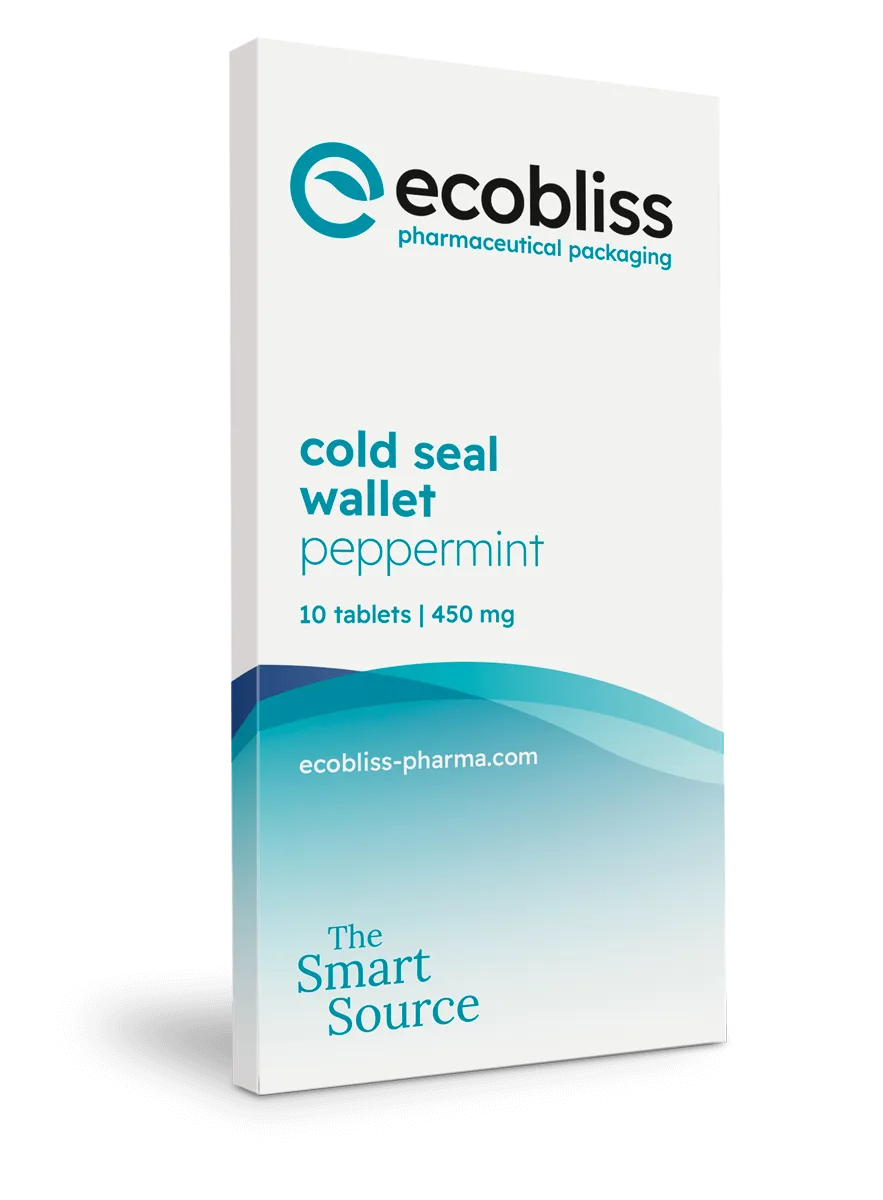
Ak vám skutočne záleží na ochrane pred vlhkosťou, predchádzaní rozbitiu a ochrane proti neoprávnenej manipulácii, blistrové balenie splní všetky tri úlohy lepšie ako fľaša plus vata. Každá tableta je umiestnená vo vlastnej utesnenej dutine. Medzi dávkami nedochádza k výmene vlhkosti. Bezpečnostné opatrenia sú zabudované do fólie. A uvoľnený prach z rozbitých tabliet neposielate po celom svete. Blistrové puzdrá Cold seal to posúvajú ešte ďalej tým, že v tom istom balení pridávajú pomôcky na priľnutie pacienta a prvky odolné voči otvoreniu deťmi.
Ak prechádzate z formátu fľaše na blister a chcete porovnať, čo každý z nich robí pre vašu konkrétnu API, môžeme vás sprevádzať kompromismi. Bavlna bola na svoju dobu šikovným riešením. Formát okolo nej sa posunul ďalej.
Požiadajte o bezplatnú vzorku teraz!