Pharmaceutical contract packaging: what it is and what to check before outsourcing

Gianni Linssen
Written by
Gianni Linssen
/ Published on
January 7, 2026
Explore pharmaceutical contract packaging: what it involves, why it matters for GMP compliance, and how to choose the right partner. Read more.
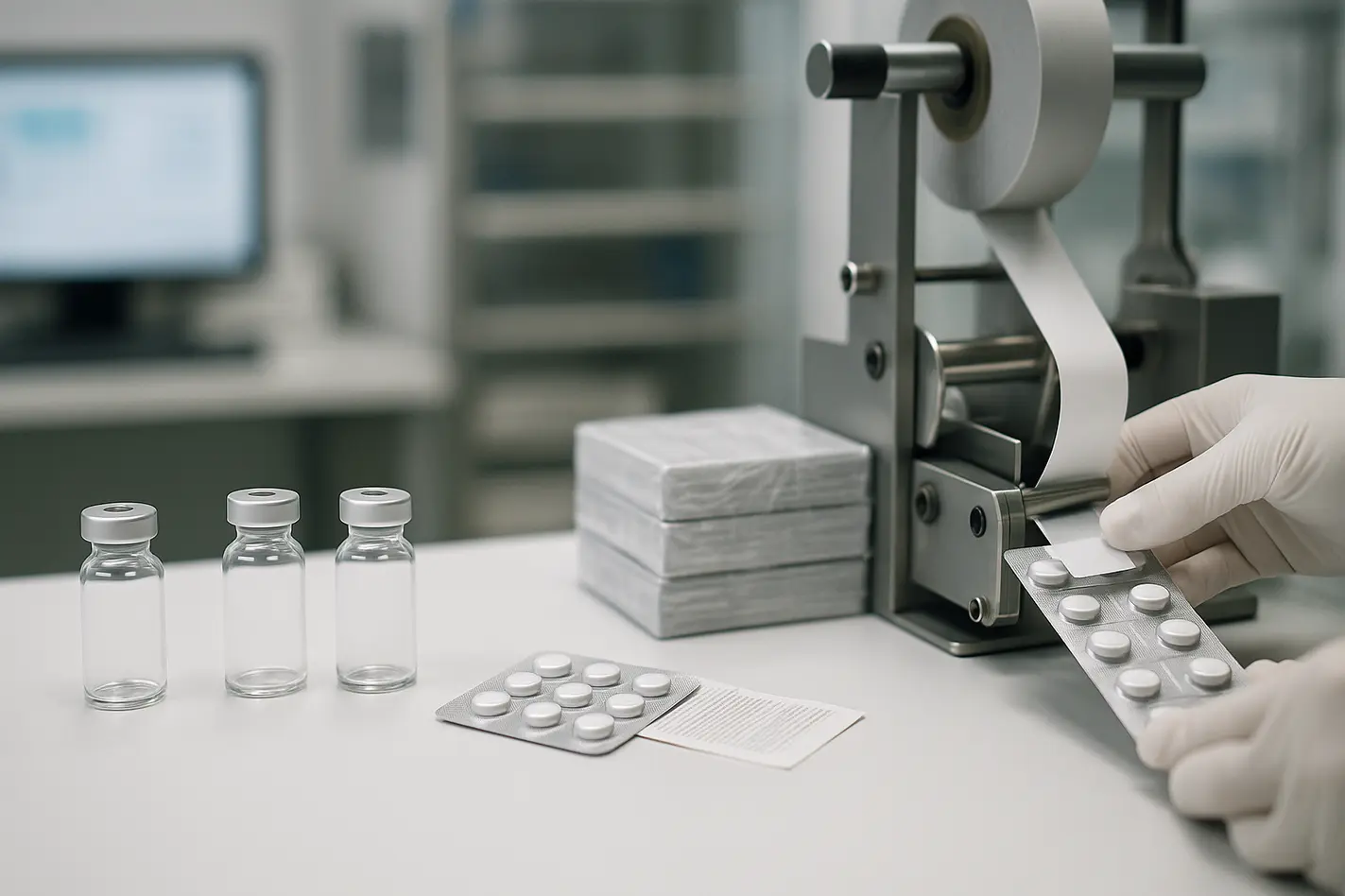
A sterile workspace showcases pharmaceutical packaging with glass vials, labeling, and organized materials.

Pharmaceutical contract packaging means outsourcing the packaging of medicines to a certified partner who follows strict quality rules. In the pharmaceutical industry, this work must meet GMP (good manufacturing practice) standards. It includes tasks such as labeling, assembling kits, and adding safety features. Companies do this to reduce risk, speed up product launches, and manage packs that need special controls or design.

• Pharmaceutical contract packaging covers packaging and labeling, leaflet insertion, and final assembly of finished pharmaceutical packs.

• It follows GMP rules to make sure packs are safe, correct, and traceable.

• Teams often outsource when facing space limits, fast launches, or complex pack formats.

• Risks such as mix-ups or labeling errors can delay launches or cause recalls, so strong controls are essential.

• Choosing a reliable GMP contract packager helps reduce handovers, speed up planning, and protect product quality.

What pharmaceutical contract packaging means in a GMP setting

Pharmaceutical contract packaging is the act of hiring a specialist company to package medicines under a formal agreement. In pharma, this service must follow GMP rules. These rules protect the product and the user, and ensure the pack meets legal standards.

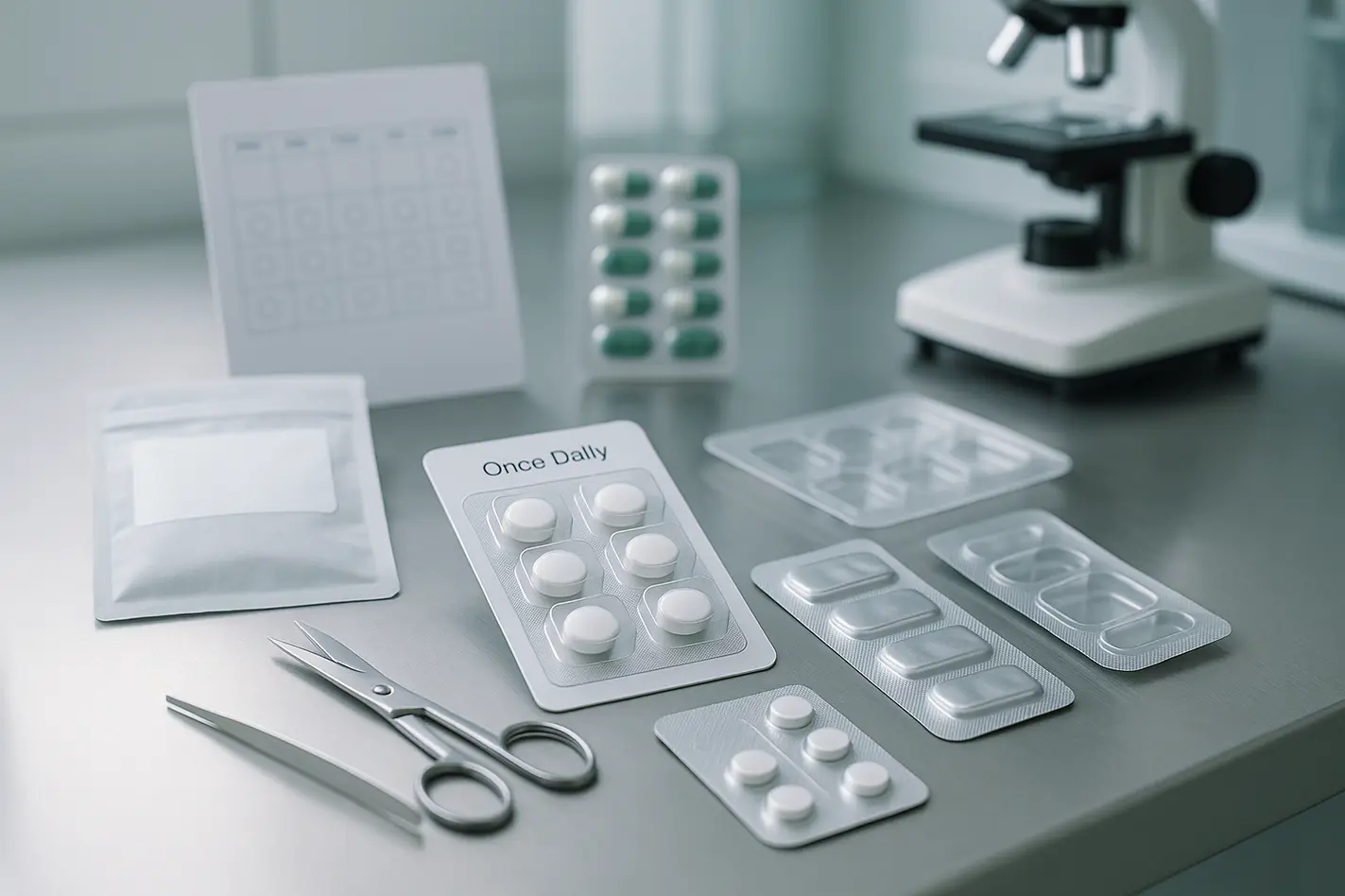
A medicine usually has two packaging layers. The first is primary packaging, such as a blister or a vial, which holds the drug directly. The second is secondary packaging, such as cartons, labels, or booklets, which carry information and protect the product during shipping and handling.

This work is especially important because the pack shows patients how to use the drug safely. It also helps with tracking, batch control, and protection from damage or mix-ups. A GMP contract packager must control every step of this process using trained staff, written procedures, and detailed records.

Typical pharmaceutical contract packaging activities and where they add value

Most contract packaging focuses on the secondary stage. The key activities include:

Packaging and labeling: Adding labels to bottles, cartons, or blisters with the correct information.

Leaflet insertion and cartoning: Placing the leaflet and packed product into the final carton.

Kitting and assembly: Building starter kits, patient support kits, or combining items into one unit.

Wallet or bulk-to-mini bundles: Creating grouped formats for easier use and better tracking.

Shipment prep and overwrapping: Protecting packs for transport and keeping them stable in stock.

These actions are more than physical steps. They also require robust digital traceability, version control for artwork, and clean handling of components. This is even more critical when serialization and aggregation are part of the job.

Many packs need extra safety tools. These can include:

Serialization and aggregation: A unique code is printed on each pack, and the relationship between items (such as bottle to carton) is recorded.

EU safety features: Most packs in Europe need a 2D barcode and tamper evidence, as explained by the European Medicines Agency.

DSCSA traceability: Packs in the US must be serialized and their data shared along the supply chain, following FDA guidelines.

Each of these tasks must be correct on both the physical and digital side. That is why many teams work with a one-stop GMP partner who knows how to align packaging and data handling correctly.

Why teams outsource pharmaceutical contract packaging instead of packing in-house

Pharma and biotech teams often outsource packaging because internal lines are full or not set up for special packs. This happens for several reasons:

• Limited space or trained staff at internal production sites.

• Need for shorter lead times to support a fast product launch.

• Complex printing across many languages due to multi-country launches.

• Short batches or frequent changes, which can block standard production lines.

• Packs that need tooling, such as wallets or kitted units, which require special formats or inspections.

Outsourcing to a GMP contract packager lowers risk. These teams already have qualified processes, trained operators, and full control over line steps. This means better handling of artwork versions, variable data, and pack-level reporting.

Working with a one-stop partner who handles all tasks within the packaging flow also means fewer handovers. This reduces errors and speeds up final checks, helping companies meet their launch readiness targets.

Pharmaceutical contract packaging risks: where things go wrong and how to control them

Packing errors can stop a shipment, delay a launch, or cause a recall. These risks can come from uncontrolled processes or unclear instructions. Common issues include:

Line clearance problems: Failing to remove old labels or materials from the previous job.

Dose or language mix-ups: Putting the wrong label or leaflet in the pack.

Artwork control errors: Using the wrong version of a label or not applying the latest update.

Missing data: Missing expiry dates, incorrect batch numbers, or failed serialization.

Reconciliation gaps: Not checking that the number of printed components matches the number packed.

Poor material segregation: Mixing old and new stock or not separating pre- and post-packed items.

A GMP contract packager controls these by following defined steps:

• Removing all items from the previous batch before setup (line clearance), with checks and photos.

• Running in-process quality checks during the packing run.

• Applying strict artwork control using version tracking tools and approval steps.

• Performing a full batch record review, meaning every document is reviewed before product release.

Correct controls make secondary packaging safer and help maintain supply chain security. They also support conformity to regulations such as EU safety features and DSCSA traceability.

Choosing a pharmaceutical contract packaging partner and preparing your project

Choosing the right pharmaceutical contract packaging partner starts with clear expectations on both sides. A good fit depends not only on technical capabilities, but also on how well the partner aligns with your quality standards, communication style, and project timelines. Proper preparation helps ensure a smooth transfer and prevents delays during setup and validation.

What “good partner fit” looks like

Choose a contract packager that has a clear GMP system and is ready for inspections. Valuable traits include:

• Proven experience with serialization and aggregation.

• Tools for data sharing and supply chain security.

• Clear project communication, accurate records, and openness to changes.

• Flexibility to support launch readiness and changing priorities.

What the client should prepare

Your team should share clear instructions and data. This is part of tech transfer. Some of the key items include:

• Approved artwork and artwork control rules.

• Full list of components (bill of materials).

• Packing steps, controls, and test requirements.

• National rules on leaflet wording and safety labels.

• Quantity forecasts and delivery timing.

• Plans for serialization and data sharing if needed.

• A draft of the quality agreement, showing roles and responsibilities.

Providing these in time helps the GMP partner prepare the right setup, avoid delays, and start packaging validation early.

What the contract packager should provide

In return, the partner should explain operations clearly, including:

• Full scope from goods-in to pack-out, including testing.

• Handling of codes, controls, and safety features such as the 2D barcode.

• Defined timelines and which steps can flex for launches.

• Management plans for updates, delays, or material shortages.

• A working draft of the shared quality agreement.

Real-world example: complex secondary pack for better usability

One case shows how tailored design can help patients and speed logistics. This is the 4-in-1 separable wallet, built as one bulk pack that splits into four usable mini packs.

The idea was to support home use and reduce space in clinics or pharmacies. This secondary contract packaging format also reduces mix-up risk. Special packaging like this needs strong process control and support for inspection and tooling readiness.

Checklist and next steps

Before outsourcing, review these points to prepare your project:

Client prepares:

  • Full pack specs, including BOM and country needs

  • Artwork, instructions, and test steps

  • Volume forecast and desired timelines

  • Rules for serial codes, data, and reporting

  • Draft quality agreement and validation details

Ask the partner for:

  • Clear step-by-step process

  • Standard lead time and flexibility range

  • Controls for labeling, codes, and safety items

  • Systems for changes, delays, or errors

Watch for warning signs: vague answers, slow replies, or unclear serialization processes

If you want a clear view of how to handle your next packaging job, you can contact Ecobliss to plan a conversation. We support secondary formats, patient-friendly designs, and time-sensitive rollouts under full GMP control.

FAQ

What is pharmaceutical contract packaging?

It is the outsourcing of packaging activities for medicines to a GMP-certified partner. This partner handles tasks such as labeling, cartoning, and assembling kits, following strict rules to protect the product and the patient.

What is the difference between primary and secondary packaging?

Primary packaging holds the medicine directly, like a vial or blister. Secondary packaging surrounds it and adds labels, instructions, and protection during handling and shipping.

Why is GMP important for contract packaging?

GMP ensures that each step is documented, controlled, and safe. It protects the quality of the packed product and ensures compliance with market laws and inspections.

What should I prepare before outsourcing packaging work?

You should prepare your specifications, approved artwork, country packaging rules, forecasts, and draft quality agreement. This helps the partner plan and validate the process correctly.

How do serialization and safety features affect packaging?

Markets such as the EU and US require safety tools on each pack. These include 2D codes, tamper-proof seals, and supply chain data reporting. A GMP packager must control these features during packaging.

Request a free sample now!

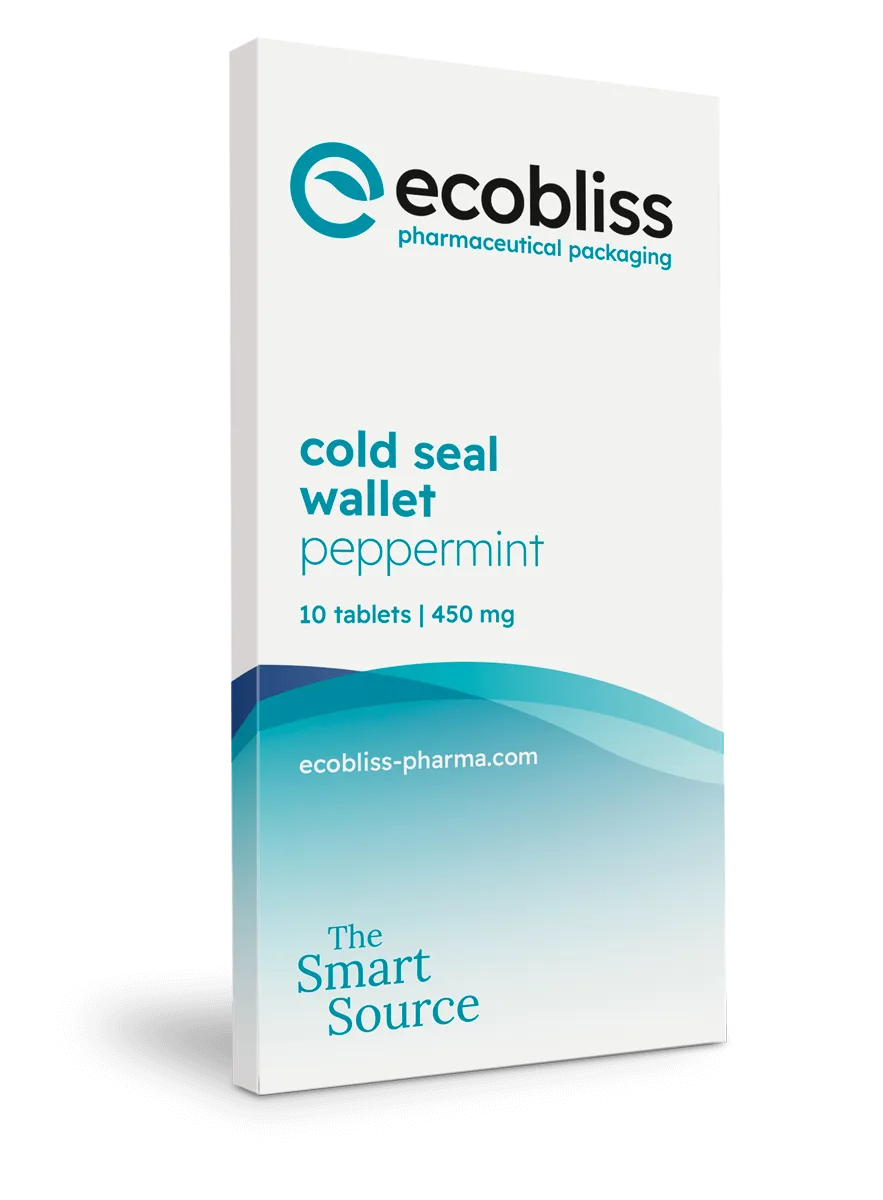
Ecobliss Pharmaceutical cold seal wallet
Do you want to experience first hand the usability and quality of our packaging solutions? We'll send you one!
Request the free sample!

Contact the team

Our team is fine blend of knowledge, experience and eagerness. Give them a call. Or send a message to call you back at a convenient time for you.
Gianni Linssen

Gianni Linssen

+31625517974
Timo Kubbinga

Timo Kubbinga

+31627348895
Jaime Wauben

Jaime Wauben

+31615446090

Or send a message

Thank you! Your submission has been sent! I'll contact you soon.
Oops! Something went wrong while submitting the form.
Sample Request
Quickscan
Schedule a meeting

One moment please, loading calendar...

Schedule a meeting
Icon calendarClose icon