Et lite bioteknologiselskap vi jobber med hadde et lanseringsvindu på tre måneder og en ferdig API liggende i bulkfat. De hadde ingen blisterlinje, ingen wallet-maskin, ingen validerte renrom. Det de trengte var en sampakker som kunne ta bulkproduktet og gjøre det om til FMD-serialiserte detaljhandelspakker klare for EU-markedet. Det er jobben co-packing faktisk gjør.
Så hva er sampakking?
Co-packing (noen ganger skrevet co-packaging) er outsourcet montering av et ferdig farmasøytisk produkt til markedsklar emballasje. Fylling, blisterpakking, kartongering, merking, kitting, FMD-serialisering. Alt håndteres av en tredjepart som driver en GMP-lisensiert linje og tar regulatorisk ansvar for arbeidet de gjør.
Den befinner seg midt i forsyningskjeden: etter at API-en er formulert og primæremballasjen er fylt, før eskene forlater lageret. Hos Ecobliss er det det daglige arbeidet til vår GMP-sertifiserte sekundære kontraktpakkelinje, fra kliniske fase I-batcher opp til kommersielle volumer.
Der sampakking slutter og samproduksjon begynner
Samproduksjon er den bredere jobben. En samprodusent kan ta en formel og produsere legemidlet fra rå API opp til den ferdige pakken. Co-packing er smalere. Legemidlet finnes allerede, og spørsmålet er hvordan man får det inn i wallets, kartonger, sett eller enhetsbrett som oppfyller GMP, FMD og merkingskravene til destinasjonsmarkedet.
Skillet spiller en rolle når du begynner å definere omfanget av en kontrakt. Kostnad, leveringstid, batchregistreringer, ansvar for endringskontroll. Det er forskjellige samtaler.
Hvorfor farmasøytiske team outsourcer emballasjetrinnet
- Du trenger ikke å bygge en blisterlinje, validere et renrom eller ansette et pakkeoperasjonsteam. Investeringskostnadene holder seg der de skal.
- Volumfleksibilitet. En lanseringstopp, en ny geografi, et pilotprosjekt med tolv enheter. Sampakkere har kapasiteten, slik at du ikke trenger å planlegge for alle scenarioer.
- Reguleringslaget er allerede der. GMP, FMD, FSC, revisjonshistorikk. Du arver sertifiseringene i stedet for å bygge dem opp.
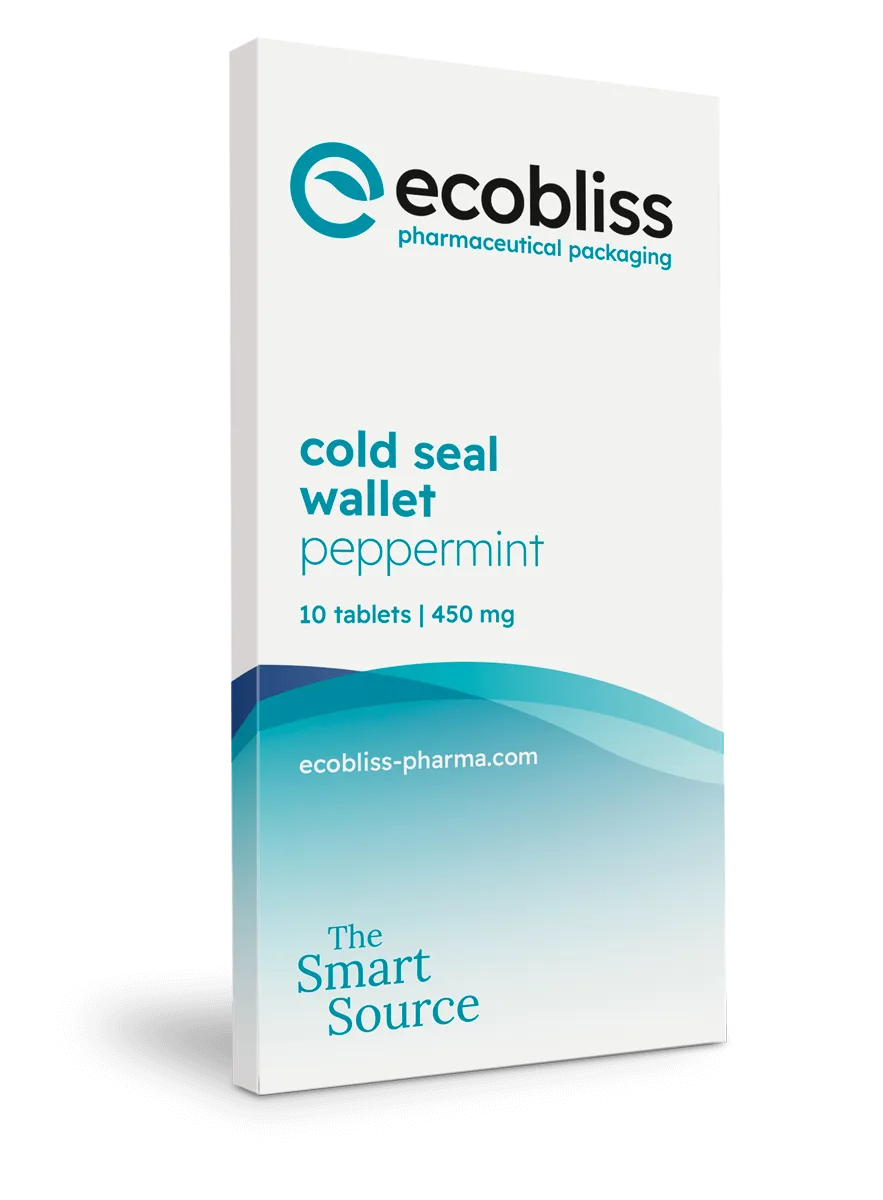
- Tilgang til emballasjeformater som ditt interne team ellers måtte ha skaffet. For eksempel cold seal blister packaging eller barnesikre Locked4Kids wallets.
Hva ender opp på en typisk sampakkelinje
For oss er det stort sett: blister packs, multi-panel wallets, settmonteringer, barnesikre sekundærpakninger og forsyninger til kliniske studier. Samme linjer kjører titration packs, brett for medisinsk utstyr og serialiserte kommersielle kartonger. Uansett format er FMD-serialisering og aggregering integrert, ikke boltet på i etterkant.
Hvordan velge en sampakker uten å angre
Et par ting som er verdt å trykkteste før du forplikter deg:
- Kan de faktisk skalere med deg? En partner som kjører kliniske batcher i fase II, men ikke kan gå over til kommersielt salg, er et problem du oppdager for sent.
- Revisjonshistorikk. GMP, FMD, FSC. Be om inspeksjonsjournaler, ikke bare sertifikater på en vegg.
- Teknologitilpasning. Cold seal versus heat seal, manuelle kontra helautomatiske linjer, hva de kan gjøre for barnesikring og behov for høy barriere.
- Referanselisten deres. Har de jobbet innenfor ditt terapeutiske område, dine geografiske områder, dine doseringsformer.
For å sette det i kontekst, har vi gjort dette siden 1996. Lundbeck, Sanofi, Merck KGaA, Novartis, Janssen og Organon sitter alle på kundesiden. Førti personer, ett sted i Echt, fokuserer på nisje- og komplekse produkter i stedet for arbeid med høyest volum av råvarer.
Vurderer du å outsource emballasjen din?
Enten det er én klinisk batch eller en lansering i flere markeder, send oss en beskrivelse. Vi kan vanligvis si innen en uke om det passer. Send oss prosjektet ditt eller be om en emballasjeprøve.
Be om en gratis prøve nå!