


Schutzverpackungen in der Pharmaindustrie sind der Oberbegriff für alles, was die Sicherheit von Arzneimitteln zwischen Herstellung und Anwendung am Patienten gewährleistet. Die interessante Frage ist nicht, welche Schutzfunktionen es gibt, sondern welche Funktionen welche Risiken tatsächlich lösen. Die meisten überhöhten Ausgaben für Pharmaverpackungen entstehen durch den Einsatz mehrerer Schutzmechanismen gegen Probleme, die das Produkt gar nicht hat.
Die vier Hauptbedrohungen
Pharmazeutische Produkte können beim Transport oder bei der Lagerung aus vier Hauptgründen versagen. Jeder dieser Gründe erfordert unterschiedliche Schutzmaßnahmen.
Umweltbedingter Abbau. Feuchtigkeit, Sauerstoff, Licht, Temperatur. Verschiedene Wirkstoffe werden durch diese Faktoren unterschiedlich schnell abgebaut. Der Schutz besteht in Barrierematerialien, die auf das Stabilitätsprofil abgestimmt sind.
Mechanische Beschädigung. Tabletten zerdrücken, Glasfläschchen zerbrechen, Folien einreißen. Der Schutz besteht in einer strukturellen Polsterung auf sekundärer oder tertiärer Ebene.
Manipulation und Fälschung. Verpackung während des Transports geöffnet oder ausgetauscht. Der Schutz besteht aus Manipulationssicherheit und Serialisierung.
Patientenmissbrauch. Falsche Dosis, falscher Patient, versehentliche Einnahme durch Kinder. Die Lösung liegt in der Einzeldosisverpackung, kindersicheren Verschlüssen und einem Design, das die Therapietreue fördert.
Materialbasierter Schutz
Unterschiedliche Materialien bieten Schutz vor unterschiedlichen Bedrohungen:
Aluminiumfolie. Höchste Barrierewirkung gegen Feuchtigkeit, Sauerstoff und Licht in pharmazeutischen Verpackungen. Standard für hygroskopische, lichtempfindliche oder sauerstoffempfindliche Wirkstoffe. Verwendung als Deckel für tiefgezogene blister-Verpackungen oder als kaltgeformtes Alu-Alu.
PVDC-beschichtete Kunststoffe. Mittlere Feuchtigkeitsbarriere, deutlich besser als reines PVC. Kostengünstig für mäßig empfindliche Wirkstoffe.
ACLAR. Hohe Feuchtigkeitsbarriere mit Lichtschutz.
Glas. Inert, reagiert nicht mit dem Produkt, gasdicht. Standard für sterile Injektionspräparate und Lyophilisate.
Tyvek®. Durchlässig für Sterilisationsgase, aber bakterienundurchlässig. Standard für sterile Barriereverpackungen von Medizinprodukten.
Struktureller Schutz
Neben den verwendeten Materialien schützt die Geometrie des Gehäuses vor mechanischen Beschädigungen:
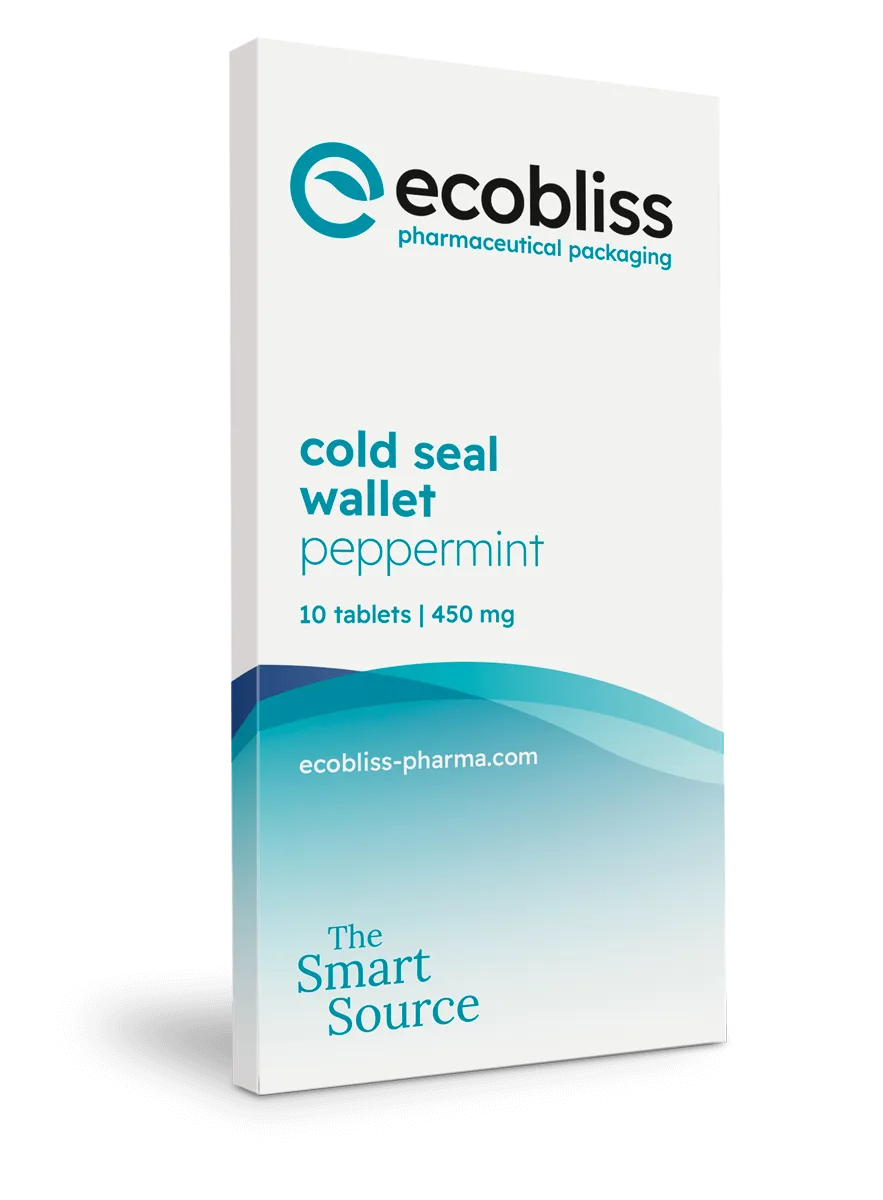
Cold seal wallets. Die Papphülle bildet eine stabile Außenschicht, die ein Zusammendrücken verhindert und die blister-Verpackung im Inneren schützt. Cold seal wallets sind die von uns am häufigsten verwendete Darreichungsform für Medikamente zur Langzeitanwendung.
Gepolsterte, tiefgezogene Trays. Für medizinische Geräte und Ampullen sorgen individuell geformte Vertiefungen für einen festen Halt des Produkts und verhindern so ein Verrutschen während des Transports.
Faltkartons. Standardmäßige Außenverpackung, die der Primärverpackung im Inneren zusätzliche Stabilität verleiht.
Manipulationssicherheit und Serialisierung
Die EU-Richtlinie FMD schreibt seit 2019 für verschreibungspflichtige Arzneimittel eine Originalitätssicherung plus einen 2D-Data-Matrix-Code vor. Gängige Lösungen sind Foliensiegel, Sicherheitsbänder und Schrumpffolie. Lesen Sie mehr über Originalitätssicherungen in der Pharmaindustrie.
Patientenseitiger Schutz
Kindersicher, seniorengerecht zu öffnen, anwendungsfreundliches Design. Diese Eigenschaften schützen vor patientenseitigen Fehlern (versehentliche Einnahme, vergessene Dosen, Dosierungsfehler). Locked4Kids kümmert sich um die Kindersicherheit. Calendar wallets gewährleisten die Anwendungskontrolle.
So spezifizieren Sie den richtigen Schutz
Beginnen Sie mit den Stabilitätsdaten. Wählen Sie anschließend den Materialschutz. Fügen Sie dann die strukturellen, manipulationssicheren und patientenseitigen Merkmale hinzu, die Ihr Produkt benötigt. Lassen Sie die überflüssigen Elemente weg, da Sie sonst überkonstruieren.
Wenn Sie eine zweite Meinung zu den Spezifikationen Ihrer aktuellen Verpackung wünschen, senden Sie uns einfach die Kurzbeschreibung. Wir zeigen Ihnen die Schutzschichten auf, die für Ihr Produkt wirklich wichtig sind.
Fordern Sie jetzt ein kostenloses Muster an!
.avif)


