Temperature controlled packaging helps keep temperature sensitive medicines safe during storage and transport by maintaining products within their approved temperature range. This type of packaging is a key part of the pharmaceutical cold chain, which protects medicine quality from production to patient.
• Temperature controlled packaging prevents heat or cold damage to sensitive medicines during shipping.
• It plays a key role in the pharmaceutical cold chain, alongside storage, transport, and monitoring.
• Medicines must stay within tested limits based on stability data and regulatory rules.
• Failures in packaging can cause invisible damage, patient risk, or product waste.
• Smart secondary packs and cold seal formats help improve safety, usability, and sustainability.
What temperature controlled packaging does in the pharmaceutical cold chain
Temperature controlled packaging is designed to keep a product within its approved temperature range during storage and shipment. These limits come from stability data and are written on the product label. Because temperature sensitive medicines can be harmed by heat or freezing, packaging must help protect them along all route steps. Damage is often invisible but can affect how well the medicine works or even make it unsafe.
This packaging is one part of the larger pharmaceutical cold chain. Other parts include refrigerated warehouses, qualified transport, trained handlers, and real-time monitors. Packaging plays a vital role during handovers, customs checks, or final delivery. These are moments when temperature can shift quickly, so controlled packaging helps reduce risk and protect product quality.
Common temperature ranges and rules for temperature controlled packaging
Different pharmaceuticals require different storage conditions. The most common temperature bands are:
• Refrigerated: 2 to 8 °C
• Frozen or deep frozen: below 0 °C, often as low as -20 °C or colder
• Controlled room temperature (CRT): typically 15 to 25 °C
These ranges are based on stability data, which are test results showing how long a medicine stays within its specifications at certain temperatures. The information supports product labelling and defines how long it can be stored or used under different conditions.
To ensure safe handling, companies follow GDP guidelines. These are industry rules for good distribution practices, which help keep products consistent and safe during shipping. Regulators expect all supply chain steps to follow these guidelines, from manufacturer to patient.
Main types of temperature controlled packaging and how they work
The best packaging solution depends on the product, route time, and conditions. Common types include:
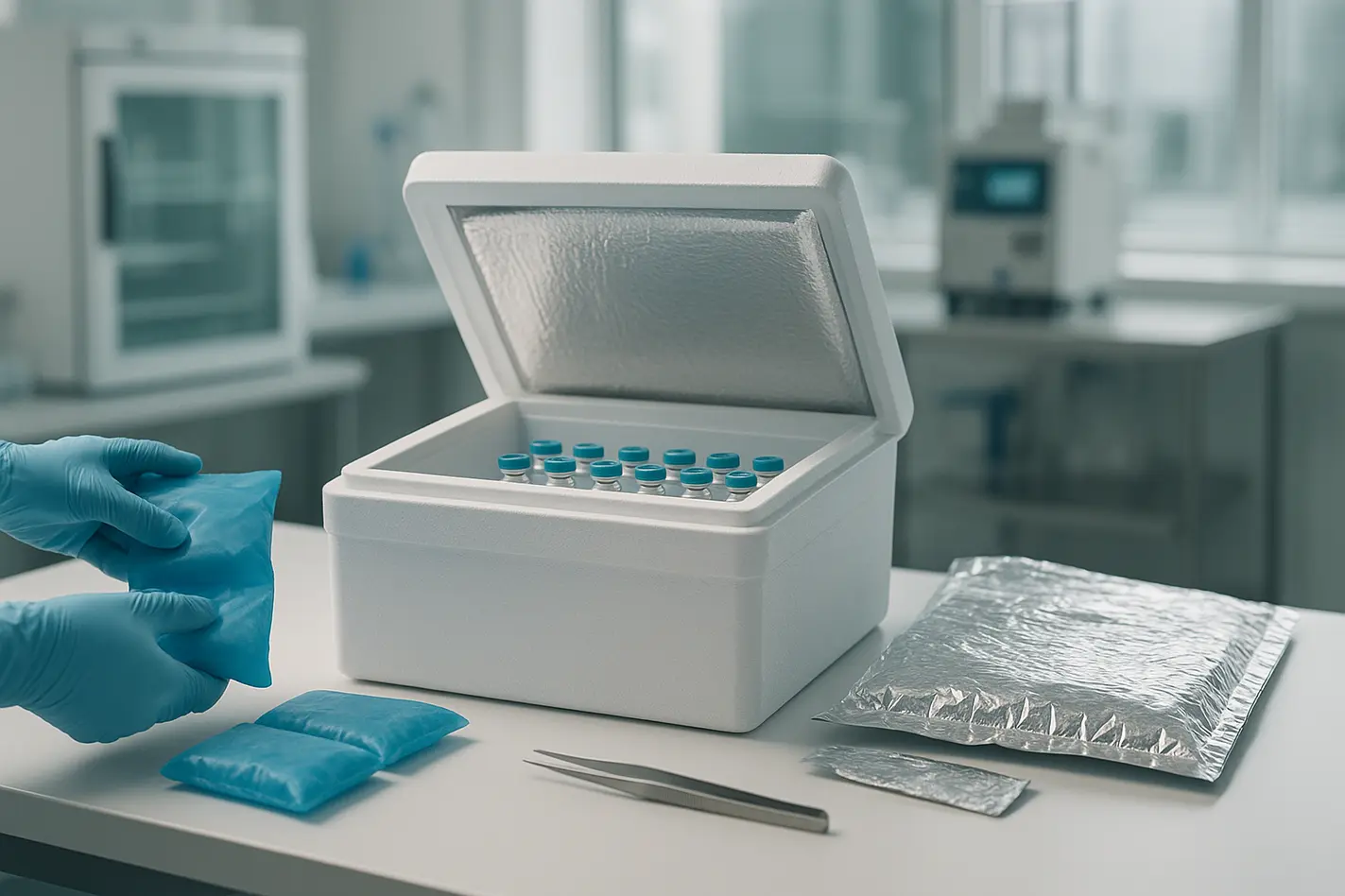
• Passive shippers: These use thermal packaging materials and coolants like ice packs or phase change materials, without needing electricity. They are suitable for short or medium-length routes.
• Active cold chain systems: These containers have built-in power to heat or cool. They help for longer shipments or high-value medicines but are more complex and expensive.
• Hybrid systems: These combine passive packs with active transport methods, such as placing a passive shipper in a temperature-controlled truck or adding thermal wraps depending on the weather.
Thermal packaging materials such as foam, reflective film, or vacuum panels help slow down heat transfer. Products are placed inside insulated shipping containers with these materials to protect the temperature. Inside, secondary packs such as trays or blisters help organise items and support temperature control by keeping units stable and evenly spaced.
Risks, temperature excursions, and data in temperature controlled packaging
Even with good materials, temperature controlled packaging only works if it is used correctly. Common failure points include:
• Insufficient coolant preparation: Gel packs must be properly chilled before loading.
• Incorrect loading: Overfilling, empty space, or poor airflow can create temperature hotspots.
• Delays in transit: Waiting too long at customs or loading docks can lead to warming or freezing.
• Pack mismatch: Using packaging designed for summer during winter routes can increase risk.
• No temperature records: Without monitoring data, it is hard to confirm the shipment stayed within range.
When a product goes outside its allowed temperature range, this is called a temperature excursion. It might last only a few minutes, but the damage is often invisible. The medicine may look fine but can lose strength or become unstable. This can lead to rejected shipments, extra testing, or risk to patients.
To prevent this, companies carry out two main types of testing. Qualification is formal testing that checks if packaging can hold the correct temperature in worst-case scenarios. Validation confirms that a whole shipment process works in real conditions. Both steps rely on real shipping data and help meet GDP guidelines.
How smart secondary packs support temperature controlled packaging
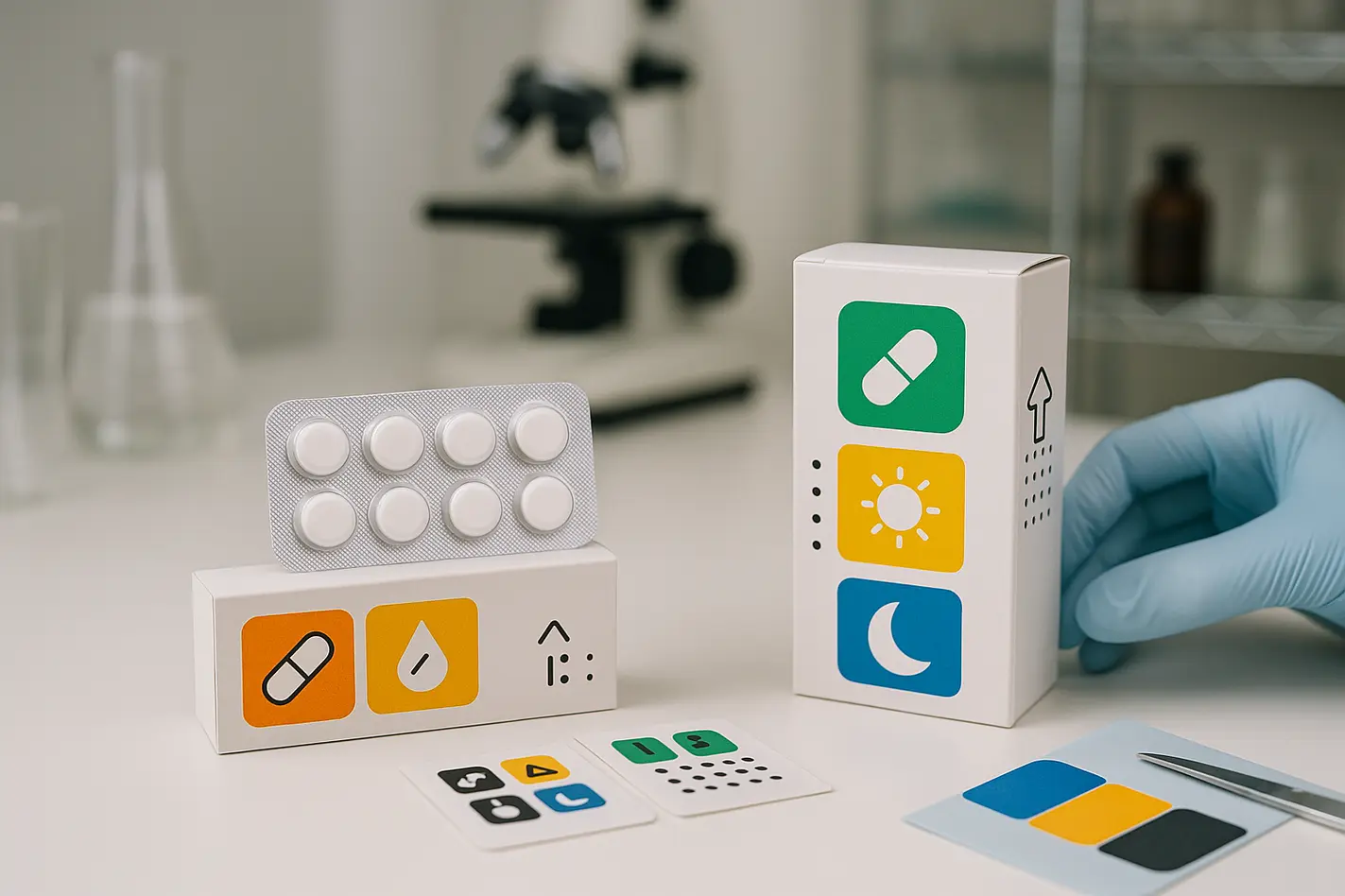
Secondary packaging helps protect medicines after primary sealing. It keeps items in order, improves handling, and supports correct use. Formats like blisters, trays, and wallets are designed so users can understand how to store and use medicines safely.
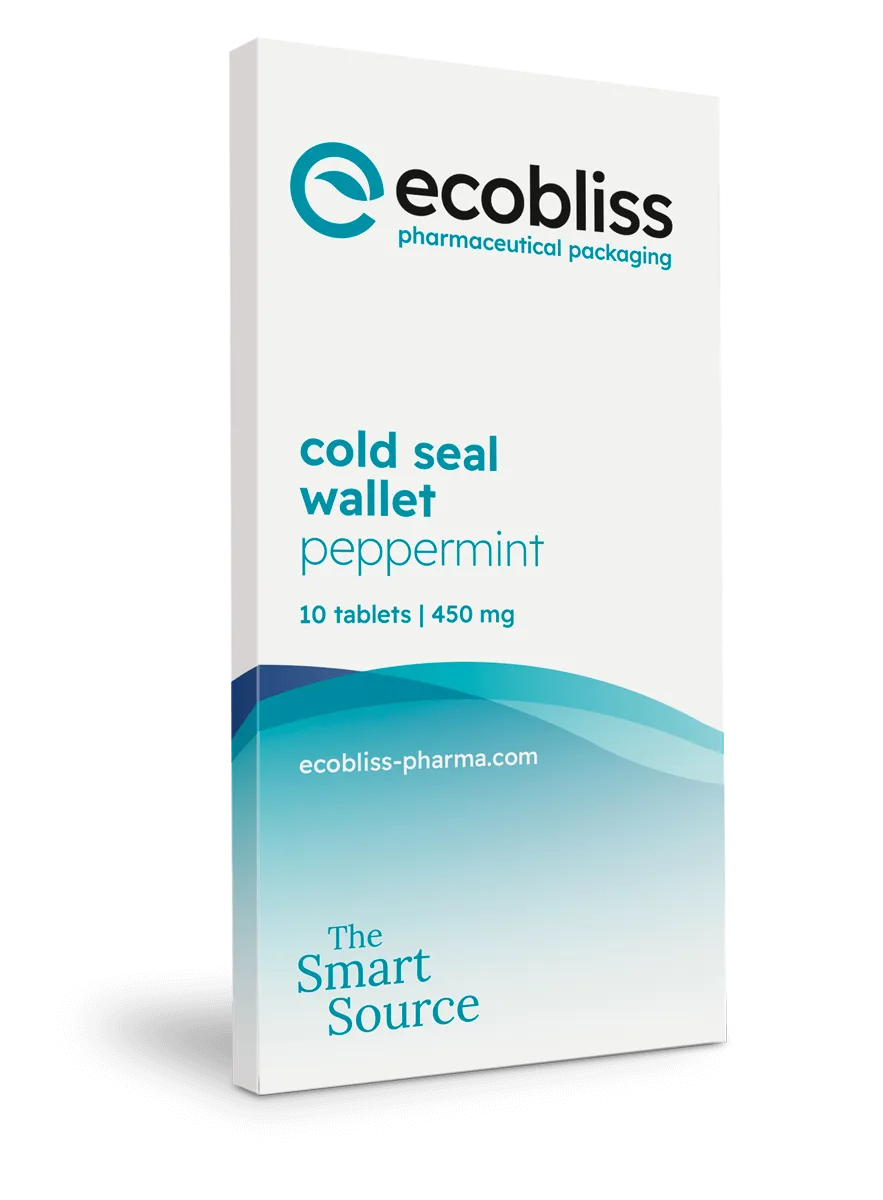
For example, an eco-friendly wallet design for ten syringes groups doses clearly and fits neatly inside insulated shipping containers or medical fridges. This helps save space and time for clinics and patients.
Clear labelling also supports safety. Labels must show valid storage temperatures, expiry dates, and what to do if something goes wrong. For last-mile deliveries or direct-to-patient shipments, packs must be small and easy to use, with instructions that are simple to follow. Secondary packaging can also reduce the space needed in thermal packaging, which supports better design and lower waste.
Our cold seal blister packaging for heat sensitive products
Some temperature sensitive medicines are fragile even during sealing. If heat is used to close a blister, it could change something in the product. To solve this, we make our cold seal blister packaging solutions. These use pressure only, with no added heat. This makes them ideal for medicines that must avoid thermal stress during packing.
We focus on the packaging process. This means we design and develop secondary formats that support your broader cold chain strategy. We do not operate warehouses or provide transport. Instead, our blister formats support your compliance, product quality, and patient safety goals.
Tailor-made designs that fit your route and patient needs
We develop custom secondary packs that match your product and route. This includes wallet packs, trays, inserts, and blisters. Activities include material selection, layout planning, prototyping, and GMP-compliant contract packaging. In this way, the packs are aligned with your project’s storage and transport plan. The marketing authorisation holder remains responsible for the full pharmaceutical cold chain. Our job is to make sure the packaging fits that chain, protects the product, and is easy to use.
Making temperature controlled packaging more sustainable
Keeping temperatures stable often requires plastic, foam, or other thermal packaging materials. These protect medicines, but they can be hard to recycle. Because of this, sustainable pharma packaging is a major topic for the sector.
We address this by using more carton-based solutions, water-based adhesives, and smart layouts that reduce empty space. This helps lower waste and makes it easier to manage pack disposal. With careful design, we can often deliver the same safety while using less material. Learn more about our sustainability approach in pharmaceutical packaging.
These design choices also affect the overall supply chain. Smaller, lighter packs mean lower shipping volume and better route efficiency. This supports how packaging choices affect the sustainability of the pharmaceutical supply chain.
Working together to strengthen your temperature controlled packaging link
Strong packaging is one part of a working pharmaceutical cold chain. It must match the product, the route, and the patient need. Collaboration between pharma companies, transport teams, and packaging experts is essential.
If your secondary packaging is old, difficult to load, or not aligned with your real shipment routes, it might be time for a review. You can start with a quick scan of your current packaging. From there, we can help you consider safer, clearer, and more efficient options.
Secondary packs like wallets and cold seal blisters can reduce risk, improve usability, and support hospital or home use. When designed for your supply chain, they help make the full route stronger and more reliable.
Frequently asked questions
What is temperature controlled packaging in pharmaceuticals?
It is packaging designed to keep medicines within their approved temperature range during transport and storage. This protects quality and patient safety.
What are the common temperature ranges?
Typical ranges are 2 to 8 °C for refrigerated, below 0 °C for frozen, and 15 to 25 °C for controlled room temperature products.
Why is secondary packaging important in cold chain logistics?
Secondary packs like trays or wallets help organise products, support temperature control, and provide clear storage and usage guidance.
How do I know if my packaging is still suitable?
Look at temperature data, route changes, and pack usability. If things have shifted, it might be time to review your current solution.
Do you offer cold chain transport?
No. We focus on packaging development and contract packing. We do not run logistics or cold storage facilities.
Request a free sample now!