


Nel settore farmaceutico, il termine "imballaggio protettivo" si riferisce a tutto ciò che contribuisce a mantenere il farmaco al sicuro tra la produzione e l'utilizzo da parte del paziente. La questione interessante non è quali caratteristiche protettive siano disponibili, ma quali risolvano effettivamente quali minacce. La maggior parte degli sprechi nel packaging farmaceutico deriva dall'aggiunta di ulteriori protezioni per problemi che il prodotto non presenta.
Le quattro principali minacce
I prodotti farmaceutici possono danneggiarsi durante il trasporto o lo stoccaggio per quattro cause principali. Ognuna di esse richiede caratteristiche di protezione diverse.
Degradazione ambientale. Umidità, ossigeno, luce, temperatura. I diversi principi attivi si degradano a velocità diverse a causa di ciascuno di questi fattori. La soluzione protettiva consiste in materiali barriera adatti al profilo di stabilità.
Danni meccanici. Frattura delle compresse, rottura delle fiale di vetro, lacerazione della lamina. La soluzione protettiva consiste in un'ammortizzazione strutturale a livello secondario o terziario.
Manomissione e contraffazione. Confezione aperta o sostituita durante il trasporto. La soluzione protettiva è rappresentata da sigilli antimanomissione e serializzazione.
Uso improprio da parte del paziente. Dose errata, paziente sbagliato, ingestione accidentale da parte dei bambini. La soluzione preventiva consiste nel confezionamento in monodose, nella chiusura di sicurezza a prova di bambino e nella progettazione di un sistema che garantisca l'aderenza alla terapia.
Protezione basata sui materiali
Materiali diversi proteggono da minacce diverse:
Foglio di alluminio. Massima barriera contro umidità, ossigeno e luce negli imballaggi farmaceutici. La scelta predefinita per principi attivi igroscopici, fotosensibili o sensibili all'ossigeno. Utilizzato come coperchio per blister termoformati o come Alu-Alu formato a freddo.
Plastica rivestita in PVDC. Barriera all'umidità di livello medio, nettamente superiore al solo PVC. Conveniente per principi attivi moderatamente sensibili.
ACLAR. Elevata barriera contro l'umidità con protezione dalla luce.
Vetro. Inerte, non reagisce con il prodotto, a tenuta di gas. La scelta standard per iniettabili sterili e prodotti liofilizzati.
Tyvek. Poroso ai gas sterilizzanti ma blocca i batteri. Standard per gli imballaggi barriera sterili dei dispositivi medici.
Protezione strutturale
Oltre ai materiali, la geometria della confezione protegge dai danni meccanici:
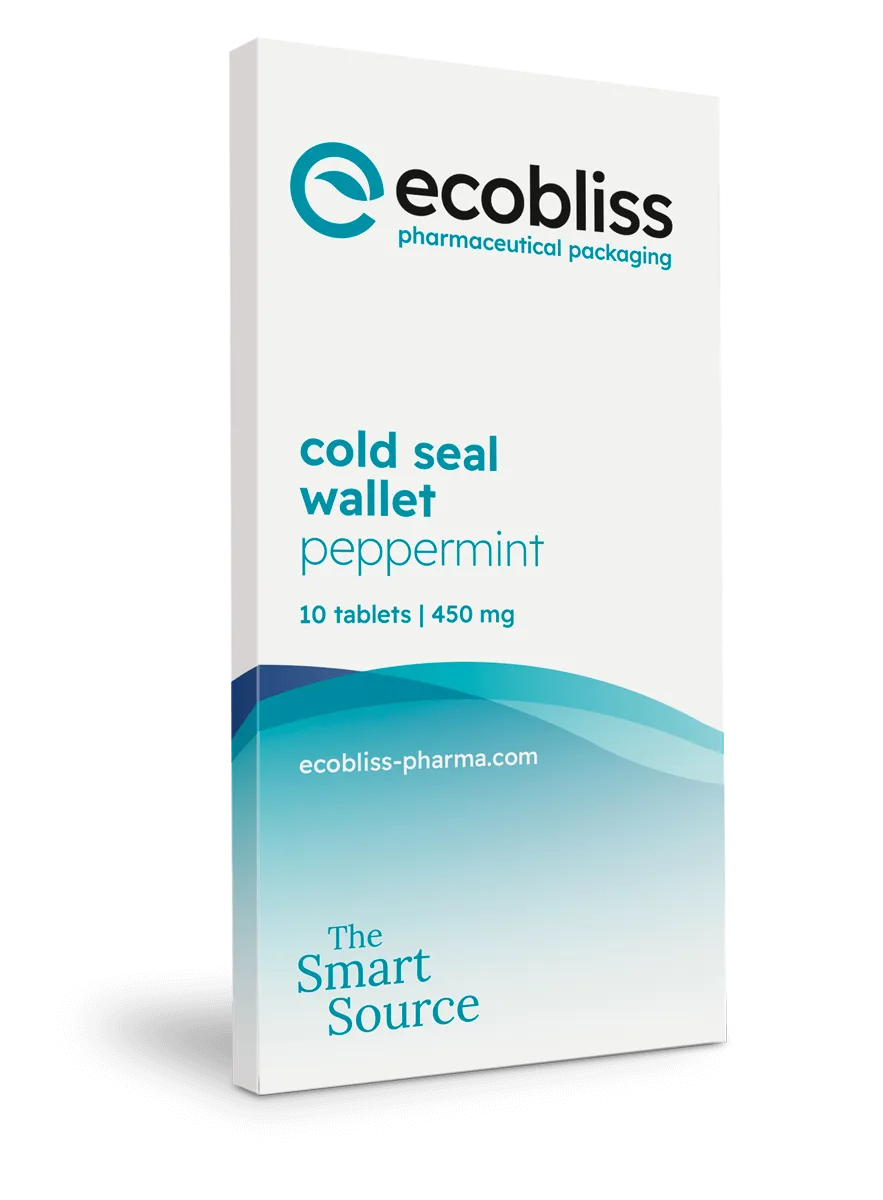
Confezioni Cold seal. La confezione in cartone aggiunge uno strato esterno rigido che resiste allo schiacciamento e protegge il blister interno. Le confezioni blister Cold seal sono il formato che utilizziamo più frequentemente per i farmaci da assumere per patologie croniche.
Vassoi termoformati imbottiti. Per dispositivi medici e fiale, le cavità di forma personalizzata mantengono il prodotto saldamente in posizione per evitare movimenti durante il trasporto.
Scatole pieghevoli. Imballaggio esterno standard che fornisce supporto strutturale all'imballaggio primario interno.
Prove di manomissione e serializzazione
Dal 2019, la direttiva UE sui medicinali per uso farmaceutico (FMD) richiede per i farmaci soggetti a prescrizione medica un dispositivo antimanomissione e un codice Data Matrix 2D. Le implementazioni più comuni includono sigilli in alluminio, fascette antimanomissione e pellicola termoretraibile. Per saperne di più sugli imballaggi antimanomissione nel settore farmaceutico, consultare la sezione dedicata.
Protezione del paziente
Chiusura di sicurezza a prova di bambino, apertura adatta agli anziani, design che favorisce l'aderenza alla terapia. Questi sistemi proteggono dai malfunzionamenti causati dal paziente (ingestione accidentale, dosi saltate, errori di dosaggio). Locked4Kids si occupa della chiusura di sicurezza a prova di bambino. I calendar wallet si occupano dell'aderenza alla terapia.
Come scegliere la protezione giusta
Iniziate dai dati di stabilità. Da lì, scegliete la protezione del materiale. Quindi aggiungete le caratteristiche strutturali, antimanomissione e quelle relative al paziente di cui il vostro prodotto ha bisogno. Saltate gli elementi superflui, altrimenti rischiate di sovraingegnerizzare il prodotto.
Se desideri un secondo parere sulle specifiche di un imballaggio attuale, inviaci il brief. Ti indicheremo gli strati di protezione effettivamente importanti per il tuo prodotto.
Richiedi subito un campione gratuito!
.avif)