


Η προστατευτική συσκευασία στις φαρμακευτικές εταιρείες είναι ο γενικός όρος που περιγράφει όλα όσα διατηρούν το φάρμακο ασφαλές μεταξύ της παρασκευής και της χρήσης από τον ασθενή. Το ενδιαφέρον ερώτημα δεν είναι ποια προστατευτικά χαρακτηριστικά υπάρχουν, αλλά ποια χαρακτηριστικά λύνουν στην πραγματικότητα ποιες απειλές. Το μεγαλύτερο μέρος των υπερβολικών δαπανών στις φαρμακευτικές συσκευασίες προέρχεται από την ύπαρξη στρώσεων άμυνας έναντι προβλημάτων που δεν έχει το προϊόν.
Οι τέσσερις κύριες απειλές
Τα φαρμακευτικά προϊόντα παρουσιάζουν βλάβες κατά τη μεταφορά ή την αποθήκευση για τέσσερις γενικές αιτίες. Κάθε μία από αυτές απαιτεί διαφορετικά προστατευτικά χαρακτηριστικά.
Περιβαλλοντική υποβάθμιση. Υγρασία, οξυγόνο, φως, θερμοκρασία. Διαφορετικές δραστικές ουσίες (API) αποικοδομούνται με διαφορετικούς ρυθμούς από την καθεμία. Η προστατευτική απάντηση είναι υλικά φραγμού που ταιριάζουν με το προφίλ σταθερότητας.
Μηχανική βλάβη. Θρυμματισμός δισκίων, θραύση γυάλινων φιαλιδίων, σχίσιμο αλουμινόχαρτου. Η προστατευτική απάντηση είναι η δομική προστασία σε δευτερογενές ή τριτογενές επίπεδο.
Παραποίηση και πλαστογράφηση. Η συσκευασία ανοίγει ή αντικαθίσταται κατά τη μεταφορά. Η ασφαλιστική λύση είναι η απόδειξη παραβίασης και η σειριοποίηση.
Κακή χρήση από τον ασθενή. Λάθος δόση, λάθος ασθενής, τυχαία κατάποση από παιδιά. Η προστατευτική απάντηση είναι η συσκευασία μοναδιαίας δόσης, η ασφάλεια για τα παιδιά και ο σχεδιασμός προσκόλλησης.
Προστασία με βάση το υλικό
Διαφορετικά υλικά προστατεύουν από διαφορετικές απειλές:
Φύλλο αλουμινίου. Το υψηλότερο φράγμα υγρασίας, οξυγόνου και φωτός στις φαρμακευτικές συσκευασίες. Η προεπιλογή για υγροσκοπικές, φωτοευαίσθητες ή ευαίσθητες στο οξυγόνο δραστικές ουσίες (API). Χρησιμοποιείται ως lidding σε θερμοδιαμορφωμένες κυψέλες ή ως ψυχρής μορφοποίησης Alu-Alu.
Πλαστικά με επικάλυψη PVDC. Φράγμα υγρασίας μεσαίου εύρους, πολύ καλύτερο από το PVC μόνο του. Οικονομικά αποδοτικό για μέτρια ευαίσθητες δραστικές ουσίες (API).
ACLAR. Φράγμα υψηλής υγρασίας με προστασία από το φως.
Γυαλί. Αδρανές, δεν αντιδρά με το προϊόν, αεροστεγές. Προεπιλογή για στείρα ενέσιμα και λυοφιλοποιημένα προϊόντα.
Tyvek. Πορώδες στο αέριο αποστείρωσης αλλά αποκλείει τα βακτήρια. Προεπιλογή για συσκευασία αποστείρωσης φραγμού ιατροτεχνολογικών προϊόντων.
Δομική προστασία
Πέρα από τα υλικά, η γεωμετρία της συσκευασίας προστατεύει από μηχανικές βλάβες:
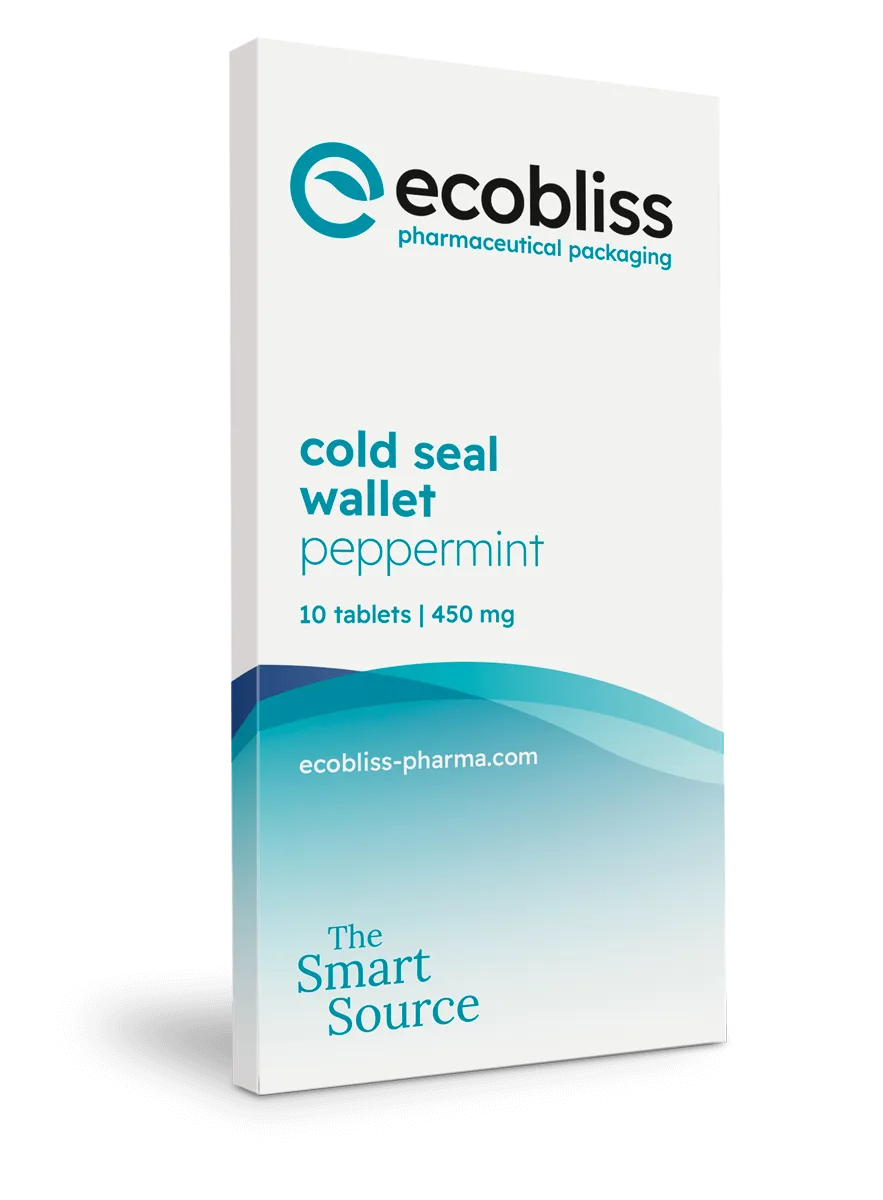
Θήκες Cold seal. Η χάρτινη θήκη προσθέτει ένα άκαμπτο εξωτερικό στρώμα που αντιστέκεται στη σύνθλιψη και προστατεύει την κυψέλη στο εσωτερικό. Οι θήκες κυψέλης Cold seal είναι η μορφή που χρησιμοποιούμε περισσότερο για χρόνια φάρμακα.
Θερμοδιαμορφωμένοι δίσκοι με επένδυση. Για ιατρικές συσκευές και αμπούλες, τα ειδικά σχήματα κοιλότητας συγκρατούν το προϊόν σφιχτά για να αποτρέπουν την κίνηση κατά τη μεταφορά.
Πτυσσόμενα χαρτοκιβώτια. Τυπική εξωτερική συσκευασία που προσθέτει δομική στήριξη στην κύρια συσκευασία στο εσωτερικό.
Απόδειξη παραβίασης και σειριοποίηση
Απαιτείται από το EU FMD από το 2019 για τα συνταγογραφούμενα φάρμακα: συσκευή ελέγχου παραβίασης και κωδικός 2D Data Matrix. Οι συνήθεις εφαρμογές περιλαμβάνουν σφραγίδες αλουμινίου, ταινίες ασφαλείας και περιτύλιγμα θερμοσυρρίκνωσης. Διαβάστε περισσότερα για τις tamper-evident συσκευασίες στις φαρμακευτικές εταιρείες.
Προστασία από την πλευρά του ασθενούς
Σχεδιασμός ασφαλείας για παιδιά, άνοιγμα φιλικό προς τους ηλικιωμένους, σχεδιασμός συμμόρφωσης. Αυτά προστατεύουν από αστοχίες στην πλευρά του ασθενούς (τυχαία κατάποση, χαμένες δόσεις, σφάλματα δοσολογίας). Locked4Kids χειρίζεται την πλευρά της ασφάλειας για παιδιά. Τα calendar wallets χειρίζονται την πλευρά της συμμόρφωσης.
Πώς να προσδιορίσετε την κατάλληλη προστασία
Ξεκινήστε με τα δεδομένα σταθερότητας. Από εκεί, επιλέξτε την προστασία του υλικού. Στη συνέχεια, προσθέστε τα χαρακτηριστικά που χρειάζεται το προϊόν σας για τη δομή, την προστασία από παραβίαση και την πλευρά του ασθενούς. Παραλείψτε τα επίπεδα που δεν χρειάζεται, διαφορετικά υπερβάλλετε στη μηχανική.
Αν θέλετε μια δεύτερη γνώμη σχετικά με τις τρέχουσες προδιαγραφές μιας συσκευασίας, στείλτε μας την περίληψη. Θα σας υποδείξουμε τα επίπεδα προστασίας που έχουν πραγματικά σημασία για το προϊόν σας.
Ζητήστε ένα δωρεάν δείγμα τώρα!
.avif)


