


Opakowania ochronne w branży farmaceutycznej to termin zbiorczy określający wszystko, co zapewnia bezpieczeństwo leku między produkcją a użyciem przez pacjenta. Interesującym pytaniem nie jest to, jakie zabezpieczenia są dostępne, ale które z nich faktycznie rozwiązują poszczególne zagrożenia. Większość nadmiernych wydatków na opakowania farmaceutyczne wynika z nakładania warstw zabezpieczeń przed problemami, których produkt nie ma.
Cztery główne zagrożenia
Produkty farmaceutyczne ulegają uszkodzeniom podczas transportu lub przechowywania z czterech głównych powodów. Każdy z nich wymaga innych zabezpieczeń.
Degradacja środowiskowa. Wilgoć, tlen, światło, temperatura. Różne API degradują się w różnym tempie. Odpowiedzią na to pytanie są materiały barierowe dopasowane do profilu stabilności.
Uszkodzenia mechaniczne. Zgniecenie tabletek, pęknięcie szklanych fiolek, rozerwanie folii. Rozwiązaniem ochronnym jest amortyzacja strukturalna na poziomie wtórnym lub trzeciorzędnym.
Fałszowanie i podrabianie. Opakowanie otwarte lub podmienione w transporcie. Rozwiązaniem zabezpieczającym jest zabezpieczenie przed manipulacją oraz serializacja.
Niewłaściwe użycie przez pacjenta. Niewłaściwa dawka, niewłaściwy pacjent, przypadkowe połknięcie przez dzieci. Rozwiązaniem ochronnym jest opakowanie jednostkowe, zabezpieczenie przed dziećmi i konstrukcja zapewniająca ścisłe przestrzeganie zaleceń.
Ochrona oparta na materiale
Różne materiały chronią przed różnymi zagrożeniami:
Folia aluminiowa. Najwyższa bariera przed wilgocią, tlenem i światłem w opakowaniach farmaceutycznych. Standardowa dla higroskopijnych, światłoczułych lub wrażliwych na tlen API. Stosowana jako pokrycie blistrów termoformowanych lub jako folia Alu-Alu formowana na zimno.
Tworzywa sztuczne powlekane PVDC. Średniej jakości bariera przed wilgocią, znacznie lepsza niż samo PVC. Ekonomiczne rozwiązanie dla średnio wrażliwych API.
ACLAR. Wysoka bariera przed wilgocią z ochroną przed światłem.
Szkło. Obojętne, nie reaguje z produktem, gazoszczelne. Standardowe dla sterylnych preparatów do wstrzykiwań i produktów liofilizowanych.
Tyvek. Przepuszczalny dla gazu sterylizującego, blokuje bakterie. Standardowe rozwiązanie dla sterylnych opakowań barierowych wyrobów medycznych.
Ochrona konstrukcyjna
Oprócz materiałów, geometria opakowania chroni przed uszkodzeniami mechanicznymi:
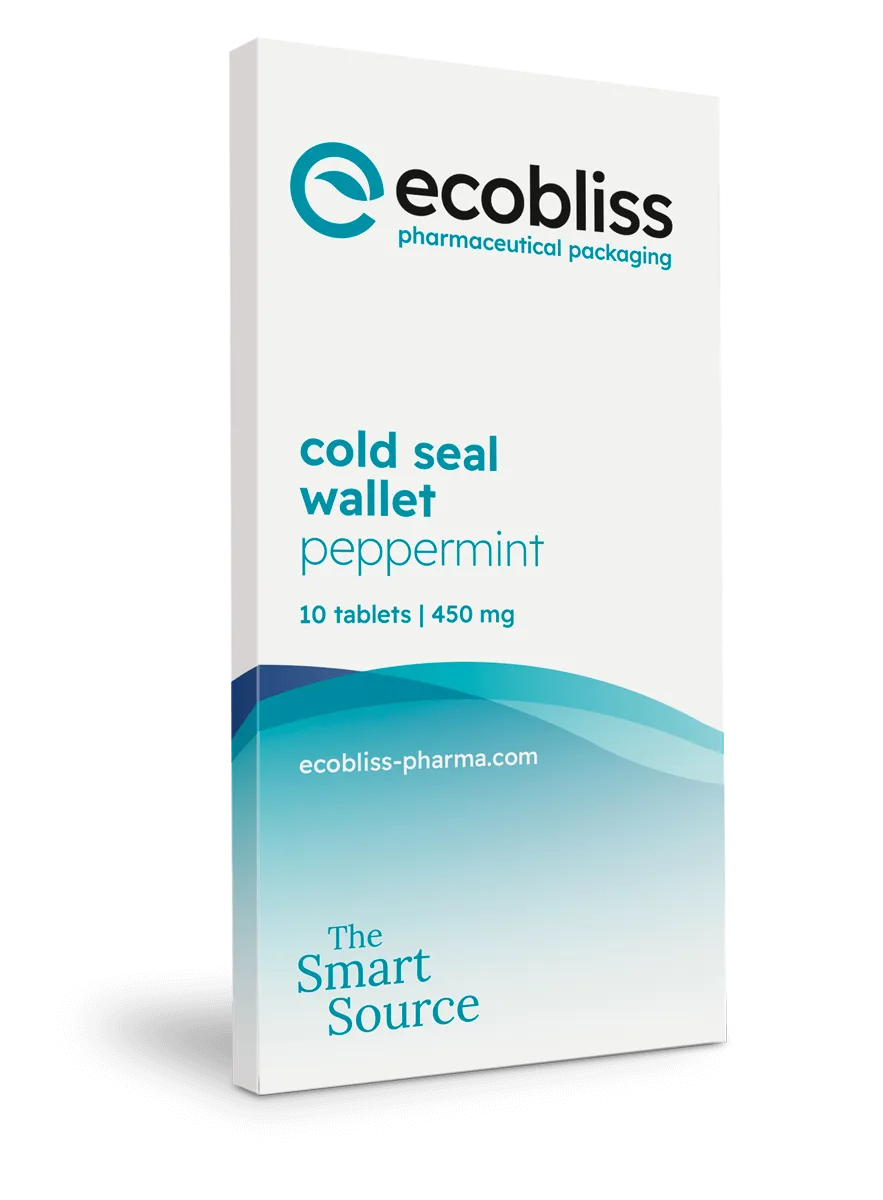
Cold seal wallets. Wallet z kartonu dodaje sztywną warstwę zewnętrzną, odporną na zgniecenie i chroniącą blister w środku. Cold seal blister wallets to format, którego najczęściej używamy do leków stosowanych przewlekle.
Wyściełane, termoformowane tacki. W przypadku wyrobów medycznych i ampułek, niestandardowe kształty wnęk ściśle przylegają do produktu, zapobiegając jego przemieszczaniu się podczas transportu.
Kartony składane. Standardowe opakowanie zewnętrzne, które stanowi wzmocnienie konstrukcyjne dla głównego opakowania wewnątrz.
Zabezpieczenie przed manipulacją i serializacja
Wymagane przez dyrektywę UE FMD od 2019 roku dla leków na receptę: zabezpieczenie przed otwarciem oraz kod 2D Data Matrix. Typowe zastosowania obejmują plomby foliowe, opaski zabezpieczające i folię termokurczliwą. Dowiedz się więcej o opakowaniach zabezpieczających przed otwarciem w branży farmaceutycznej.
Ochrona po stronie pacjenta
Zabezpieczenie przed dziećmi, otwarcie przyjazne dla seniorów, konstrukcja wspierająca przestrzeganie terapii. Chronią one przed awariami po stronie pacjenta (przypadkowe połknięcie, pominięcie dawki, błędy w dawkowaniu). Locked4Kids dba o zabezpieczenie przed dziećmi. Calendar wallet dba o adherencję.
Jak określić właściwą ochronę
Zacznij od danych dotyczących stabilności. Na ich podstawie wybierz ochronę materiału. Następnie dodaj elementy konstrukcyjne, zabezpieczające przed manipulacją i elementy po stronie pacjenta, których wymaga Twój produkt. Pomiń warstwy, których produkt nie potrzebuje, bo inaczej przesadzisz z inżynierią.
Jeśli chcesz uzyskać drugą opinię na temat aktualnej specyfikacji opakowania, prześlij nam jej opis. Wskażemy warstwy ochronne, które są naprawdę istotne dla Twojego produktu.
Zamów bezpłatną próbkę już teraz!
.avif)


