


Ochranné balenie vo farmaceutickom priemysle je zastrešujúcim pojmom pre všetko, čo chráni liek medzi výrobou a použitím pacientom. Zaujímavou otázkou nie je, aké ochranné prvky existujú, ale ktoré prvky skutočne riešia ktoré hrozby. Väčšina nadmerných výdavkov na farmaceutické balenia pochádza z vrstvenia obranných prvkov proti problémom, ktoré produkt nemá.
Štyri hlavné hrozby
Farmaceutické výrobky zlyhávajú počas prepravy alebo skladovania zo štyroch hlavných príčin. Každá z nich si vyžaduje iné ochranné prvky.
Degradácia v prostredí. Vlhkosť, kyslík, svetlo, teplota. Rôzne účinné látky (API) sa degradujú rôznou rýchlosťou. Ochranným riešením sú bariérové materiály prispôsobené profilu stability.
Mechanické poškodenie. Drvenie tabliet, rozbitie sklenených liekoviek, roztrhnutie fólie. Ochranným riešením je štrukturálne odpruženie na sekundárnej alebo terciárnej úrovni.
Falšovanie a neoprávnená manipulácia. Balenie otvorené alebo nahradené počas prepravy. Ochranným riešením je ochrana proti neoprávnenej manipulácii a serializácia.
Zneužitie pacientom. Nesprávna dávka, nesprávny pacient, náhodné požitie deťmi. Ochranným riešením je unit dose packaging, child-resistance a dizajn podporujúci dodržiavanie liečby.
Ochrana založená na materiáloch
Rôzne materiály chránia pred rôznymi hrozbami:
Hliníková fólia. Najvyššia bariéra proti vlhkosti, kyslíku a svetlu vo farmaceutických obaloch. Predvolená pre hygroskopické, fotocitlivé alebo kyslíkovo citlivé API. Používa sa ako viečko na tepelne tvarovaných blistroch alebo ako za studena tvarovaný Alu-Alu obal.
Plasty s PVDC povlakom. Stredne silná bariéra proti vlhkosti, oveľa lepšia ako samotné PVC. Nákladovo efektívne pre stredne citlivé aktívne farmaceutické zložky (API).
Aclar. Vysoká bariéra proti vlhkosti s ochranou pred svetlom.
Sklo. Inertné, nereaguje s produktom, plynotesné. Predvolené pre sterilné injekčné roztoky a lyofilizované produkty.
Tyvek. Prepúšťa sterilizačný plyn, ale blokuje baktérie. Predvolený sterilný bariérový obal pre zdravotnícke pomôcky.
Štrukturálna ochrana
Okrem materiálov chráni geometria balenia pred mechanickým poškodením:
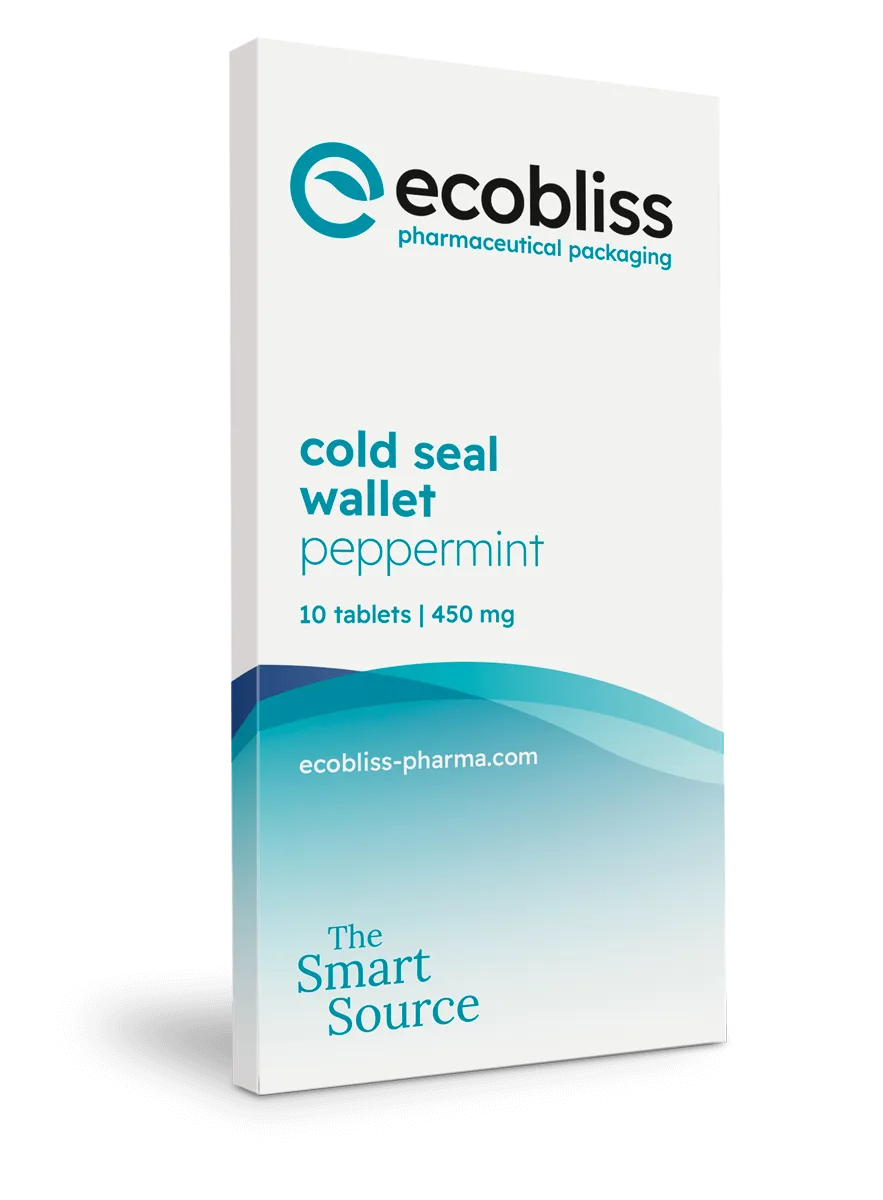
Cold seal wallets. Papierový wallet pridáva pevnú vonkajšiu vrstvu, ktorá odoláva drveniu a chráni blister vo vnútri. Cold seal blister wallets sú formát, ktorý najčastejšie používame na chronické lieky.
Polstrované tepelne tvarované tray. V prípade zdravotníckych pomôcok a ampuliek držia produkty v tvarovaných dutinách pevne, aby sa zabránilo ich pohybu počas prepravy.
Skladacie cartons. Štandardný vonkajší obal, ktorý dodáva štrukturálnu oporu primárnemu baleniu vo vnútri.
Ochrana pred neoprávnenou manipuláciou a serializácia
Od roku 2019 sa pre lieky na predpis vyžaduje podľa smernice EÚ FMD: zariadenie na zabezpečenie proti neoprávnenej manipulácii a kód 2D Data Matrix. Medzi bežné implementácie patria fóliové plomby, ochranné pásky a zmršťovacia fólia. Prečítajte si viac o tamper-evident packaging vo farmácii.
Ochrana pacienta
Detská poistka, otváranie vhodné pre seniorov, dizajn zameraný na dodržiavanie liečby. Tieto opatrenia chránia pred poruchami na strane pacienta (náhodné požitie, vynechanie dávok, chyby v dávkovaní). Locked4Kids sa stará o detskú poistku. Calendar wallets zabezpečujú dodržiavanie liečby.
Ako špecifikovať správnu ochranu
Začnite s údajmi o stabilite. Odtiaľ si vyberte materiálovú ochranu. Potom pridajte konštrukčné prvky, prvky ochrany pred neoprávnenou manipuláciou a prvky na strane pacienta, ktoré váš produkt potrebuje. Vrstvy, ktoré váš produkt nepotrebuje, vynechajte, inak zbytočne komplikujete riešenie.
Ak chcete druhý názor na aktuálnu špecifikáciu balenia, pošlite nám stručný popis. Poukážeme na ochranné vrstvy, ktoré sú pre váš produkt skutočne dôležité.
Požiadajte o bezplatnú vzorku teraz!
.avif)