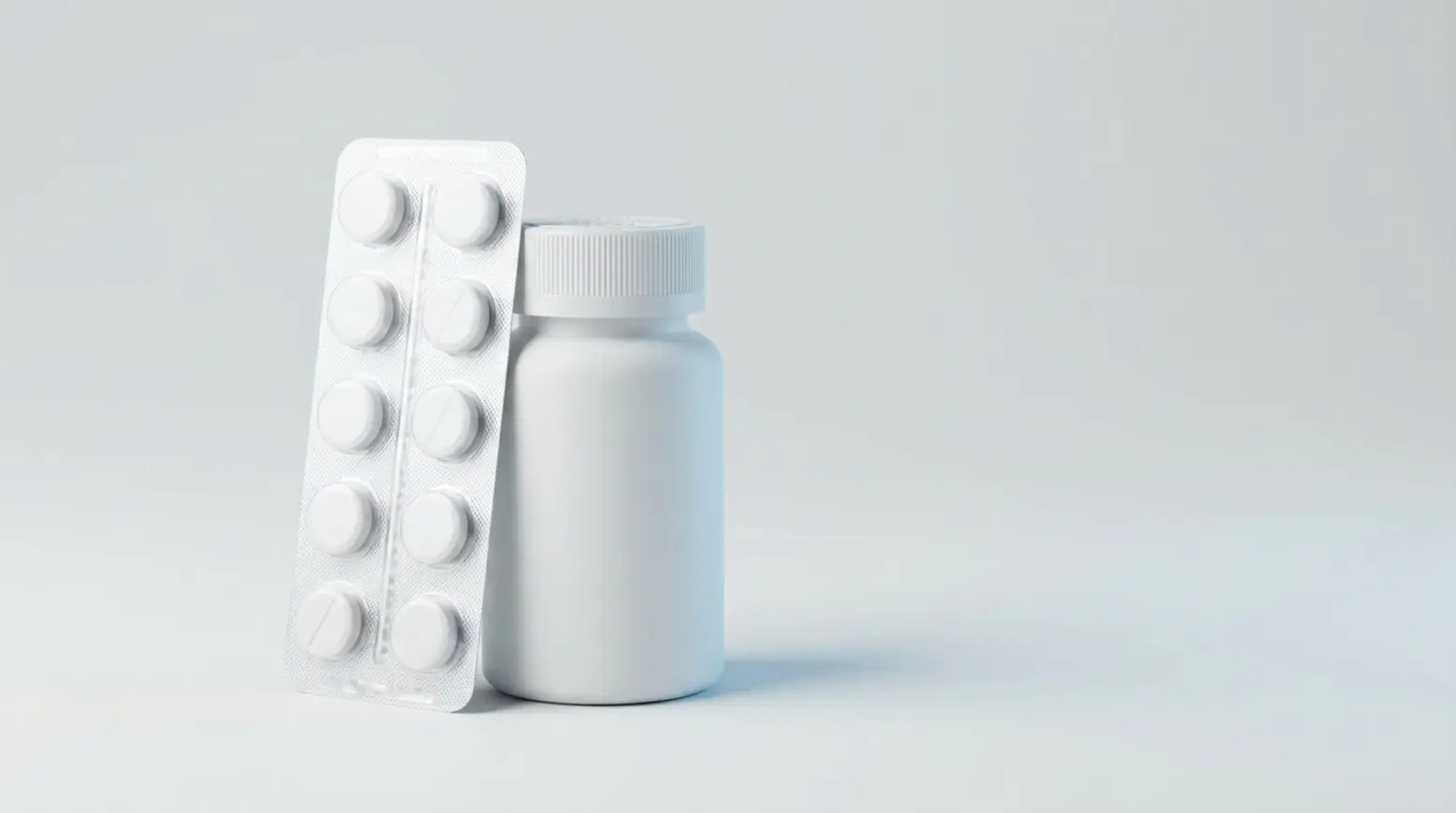

Choosing a blister pack vs. bottle for tablets depends on three primary factors: how well the packaging protects the product, how patients use it, and how efficiently it runs during production. Because blisters seal each individual dose, environmental exposure is significantly limited. Conversely, bottles store multiple doses together, meaning the entire contents are exposed every time the container is opened. Ultimately, the right choice should stem from stability data, user testing, and line performance rather than simple habit.
• Blisters protect each dose separately, which can extend product shelf life.
• Bottles rely on a closed system featuring desiccants and secure caps to manage headspace moisture.
• Patient use differs: unit-dose versus bulk packaging directly affects dose tracking and medication adherence.
• Production fit and reject handling can significantly impact total output and project timelines.
• The total cost of pharmaceutical packaging depends on yield, speed, and logistics, rather than just the initial material price.
The blister pack vs. bottle: start with a balanced view
The blister pack vs. bottle decision starts with clear definitions. A blister is a unit-dose format featuring individually sealed cavities. In contrast, a bottle is a bulk container with a shared headspace and a single closure. This fundamental distinction is the core of comparing blister packs to bottles in both daily use and testing. If you need a quick refresher, you can review what a blister pack for medication is to understand the basics. Neither format is inherently better than the other; product properties, package counts, and usage conditions will naturally vary across projects.
Blister pack vs. bottle in product protection and stability
Product protection often drives this initial decision. In a blister pack, each cavity is individually sealed, meaning that opening one dose does not expose the rest. In a bottle, all tablets share a single space, so every opening introduces fresh air and moisture. This dynamic is the primary cause of headspace moisture in bottles. However, bottles can still perform exceptionally well by utilizing desiccants, liners, and tight closures to control the internal environment. Ultimately, the real outcome depends on the specific product and the complete packaging system.
For any valid tablet packaging comparison, you must conduct stability studies in both formats. It is essential to test with the actual fill count, final closures, and realistic storage conditions. This process reveals which option meets the required shelf life and determines how sensitive the product is to humidity and oxygen. While terms like "HDPE bottle versus blister" are useful for guiding the initial setup, hard data will always dictate the final result.
Blister pack vs. bottle for patient use and dose tracking
Daily use fundamentally shapes how patients interact with their medication. Blisters display each dose clearly and can incorporate calendar layouts, making it much easier to spot a missed pill. Conversely, bottles are compact and well-suited for high pill counts, which is a common setup for capsule packaging and long-term treatments. Therefore, choosing between a blister or bottle for tablets often hinges on how critical dose tracking is for the therapy.
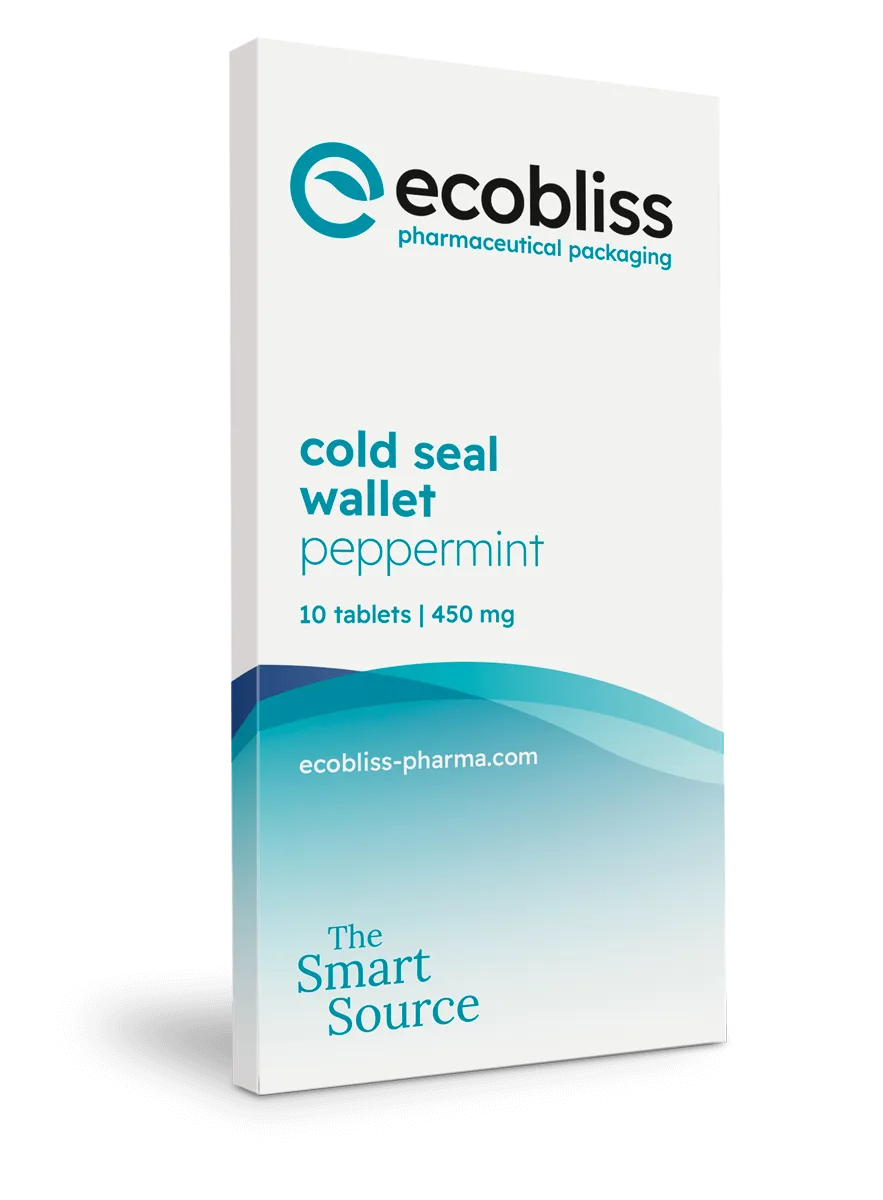
Secondary packaging can further improve patient clarity. Blisters can be integrated into paperboard wallets that provide step-by-step guidance and clear labeling. A practical example of this is a child-resistant titration pack case, where multiple medication strengths are carefully organized to guide patients through dose changes. You can also explore cold-seal blister packaging to see exactly how primary packs can be connected to these patient-friendly formats.
Usability should always be tested with real users. It is important to evaluate the required opening force, text readability, and general handling during daily routines. You can request a blister wallet sample to assess how well the design supports patient adherence before making a final decision.
Blister pack vs. bottle in child resistance and tamper evidence
Robust safety features are available in both formats. Bottles typically utilize push-and-turn caps that strictly meet child resistance standards. Meanwhile, blisters can incorporate peel-and-push systems, specialized lidding foils, or locking wallet designs. In any child-resistant blister pack vs. bottle comparison, the entire package design matters, including all secondary packaging elements.
Senior-friendliness requires a completely separate test, as a package might be perfectly safe from children yet too difficult for older adults to open. Tamper evidence also differs between the two. Bottles generally rely on induction seals or shrink bands around the cap. Blisters, on the other hand, show immediate visible damage once a cavity is breached, and wallets can incorporate additional, clear tamper indicators. All of these safety features should be validated in conjunction with overall usability testing.
Blister pack vs. bottle in production and line fit
Production logistics define how well a packaging concept performs at scale. Blister lines must form the cavities, fill them, and securely seal each individual pocket. Bottle lines, however, count the tablets, fill the containers, drop in desiccants when needed, and apply the final cap. Consequently, each system has vastly different reject points. While advanced blister lines can sometimes reject single faulty cavities, bottle lines typically must reject the entire filled unit if an error occurs.
Changeovers and line flexibility heavily affect overall output, particularly when managing multiple SKUs. A packaging format that fits your existing line well will minimize downtime and maximize yield, which directly impacts supply reliability. Designing packs with manufacturability in mind ensures they will run smoothly from the pilot phase all the way to full commercial scale. You can read more about this strategic approach in commercial packaging development.
Blister pack vs. bottle and total cost in real projects
The total cost is a complete system result. It encompasses materials, line speeds, labor requirements, reject rates, and transportation. Bottles often perform exceptionally well at high volumes, especially with simple formats. Blister costs, conversely, depend heavily on the cavity layout, material choices, and overall pack size. When conducting a comprehensive pharmaceutical packaging cost analysis, you should always calculate the cost per delivered pack rather than just the cost per individual component.
For example, a bottle might boast a lower upfront unit price, but higher reject rates or slower line changeovers can easily inflate the final production cost. Blisters can reduce waste at the individual dose level, which occasionally improves overall yield. While regional habits often influence packaging preferences, the final decision should always follow objective data gathered from stability, usability, and production trials.
How to choose in a blister pack vs. bottle decision
Using a simple scoring method can help cross-functional teams align. You should compare both options using identical criteria alongside real data from rigorous tests and line trials.
• Stability: determining which format reliably meets shelf-life requirements under defined conditions.
• Patient use: evaluating whether dosing is clear and manageable within daily routines.
• Child resistance: balancing safety performance for children with accessibility for seniors.
• Pack format: assessing the fit of unit-dose versus bulk packaging for the specific therapy.
• Line fit: analyzing machine speed, changeover times, and reject handling on your existing equipment.
• Total cost: calculating the true cost per delivered pack across the entire supply chain.
This comprehensive approach keeps the blister pack vs. bottle choice entirely practical. By linking laboratory data with real-world use and production metrics, you ensure that the selected package reliably protects the product, fully supports the patient, and runs efficiently on the line.
FAQ
Which is better, a blister or a bottle for tablets?
It entirely depends on the specific product and how it will be used. Blisters protect each dose individually, which can greatly aid in product stability and dose tracking. Bottles store many doses together and work exceptionally well for large pill counts. Ultimately, formal stability tests and clear user needs must dictate the final outcome.
How does packaging affect product stability?
Blisters seal doses individually, ensuring that remaining pills stay protected even after the first one is opened. Bottles, meanwhile, rely on a carefully controlled internal environment maintained by desiccants and secure closures. The exact impact of either method must be proven through product-specific stability studies.
Are blister packs more child-resistant than bottles?
Both formats can successfully meet strict child resistance requirements. Bottles generally use specialized push-and-turn caps, while blisters rely on complex opening features or secondary packaging. The full packaging design, which must also factor in senior usability, ultimately determines real-world safety performance.
Request a free sample now!