


Medical device packaging looks similar to pharmaceutical packaging from a distance. Up close, the rules are different. The job isn't just to protect the device, it's to maintain a sterile barrier from the manufacturer to the moment a clinician opens it. Once that barrier breaks the wrong way, the device goes in the bin.
Why sterile barrier is the whole game
Most medical devices are sterilized after they're packed, with ethylene oxide gas, gamma radiation, or steam. The packaging has to let the sterilizing agent through during the cycle, and then keep everything else out for the rest of the shelf life.
That's why Tyvek lidding is so common. It's a flashspun polyethylene material that's porous enough to let EtO gas through, dense enough to block bacteria. It tears cleanly, peels predictably, and survives the radiation cycle without falling apart. Almost every surgical instrument tray you've ever seen uses Tyvek lidding.
What we actually package
We're a contract packer for medical devices, which means we don't make the device, we package it. We supply the trays, the lidding, the inlay cards and the multipanel wallets. The customer ships us the device, we assemble the pack, validate it for sterilization downstream.
Common formats we handle:
- Thermoformed trays: PETG, APET, or HDPE. Cavity shapes match the device. Good for surgical instruments, infusion sets, catheters.
- Tyvek-lidded trays: same trays, sealed with Tyvek for sterilization compatibility.
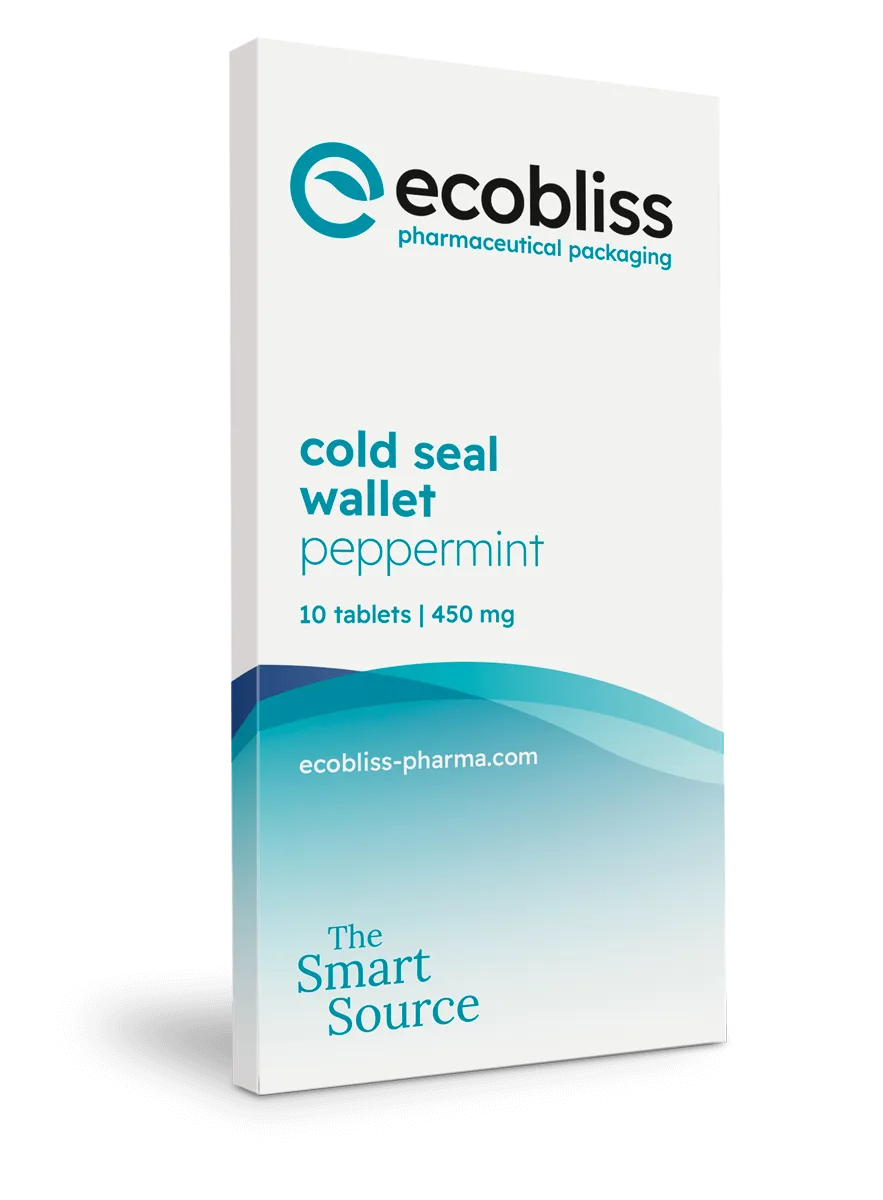
- Inlay cards and multipanel wallets: paperboard supports for components, instructions, accessory items.
- Multi-layer flexible films: barrier laminates for moisture or oxygen-sensitive devices.
What we don't do (and why that matters)
We don't run our own sterile fill operation. We don't autoclave or radiate. Our packs are validated to be "fit for sterilization processes", meaning they survive the customer's downstream cycle without compromise.
If you need a packer who runs sterile fill in-house, that's a different conversation. We're the partner who builds the pack that arrives at your sterile fill line ready to seal.
The regulatory side
Medical device packaging in 2026 sits under EU MDR (in force since 2021), ISO 11607 (the global packaging standard), and the FDA's QSR (21 CFR 820 in the US). The packaging is part of the device file. A change to the pack means a change to the regulatory submission.
That's why we keep packaging specs documented to the same level as the device itself. Every component traceable, every change logged, every batch reconstructable for audit.
If you're scoping medical device packaging
The conversation we have with most customers starts the same way: tell us about the device, the sterilization method, the shelf life target, and the geography you're shipping to. From that we work backward to the materials and format. Send us a brief and we'll come back with a packaging concept inside a week. Or ask for samples if you want to see the materials in your hand.
Request a free sample now!


.avif)


