


Medication adherence has shifted in the last decade. The early interventions were single-point fixes: a reminder text, a generic pillbox, a refill alert. They worked a little. The newer wave treats adherence as a system, with packaging, digital tools, and clinical follow-up working together. The results are measurably better.
Why patients do not take their medication
WHO puts non-adherence in chronic conditions in developed countries at around 50%. Five reasons come up most often: forgetfulness, especially for older patients on five or more medicines; a complex regimen with several strengths, frequencies or titration steps; side effects that make the patient stop without telling the doctor; cost or access barriers; and packaging that makes daily intake harder than it needs to be. Three of the five, forgetfulness, complexity and confusing packaging, can be addressed through pack design. The other two need clinical or insurance measures.
Why single interventions plateau
A reminder text by itself helps a little. A calendar wallet by itself helps more. A reminder text combined with a calendar wallet and a nurse follow-up helps most. The interventions are not additive in a simple way; they reinforce each other.
Single-point interventions plateau because patients are different. Some forget, some don't understand the regimen, some experience side effects they don't report. A multi-channel system catches the case that any single intervention misses.
The five layers of a modern adherence system
1. Pack design
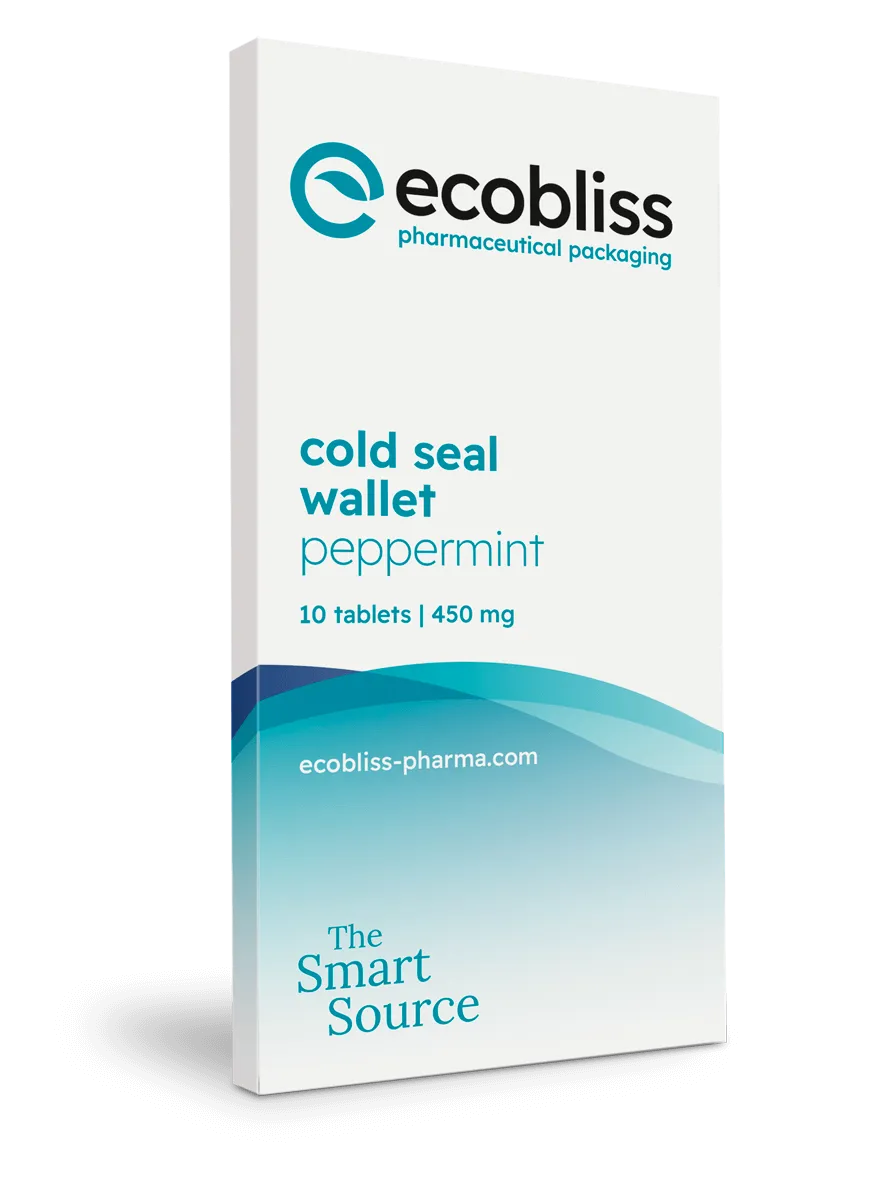
Calendar wallets, color-coded titration, senior-friendly opening. The pack is the only daily touchpoint the patient has with the medication. Get this right and the rest gets easier.
For the packaging layer of adherence, see titration packaging.
2. Smart pack integration
NFC tags or 2D codes linked to an app. The patient scans the pack, the app logs the dose. Adherence data flows back to the healthcare provider, the trial sponsor, or both.
3. Patient app
Daily reminders, side-effect logging, refill prompts, educational content. The app is most effective when it integrates with the pack scanning, less effective standalone.
4. Clinical follow-up
Nurse calls, pharmacist consultations, telehealth check-ins. Triggered when the app shows a missed week or a side-effect report.
5. Family or caregiver involvement
Especially for elderly patients on multi-drug regimens. The pack design carries instructions a caregiver can follow when the patient can't.
What's actually new in 2026
Three areas where the technology genuinely shifted in the last two years:
Connected packs at lower cost. NFC-enabled wallets used to add 50 cents per pack. They're now closer to 5 cents at volume, which makes them feasible outside specialty therapy.
AI-driven adherence prediction. The app stops sending generic reminders and starts sending the right reminder for this patient based on their pattern. Early data suggests another 10-15% lift over generic reminders.
Real-world adherence data feeding into pricing. Several EU payers now factor adherence performance into pricing negotiations for high-cost specialty therapies. That makes adherence a P&L item, not a CSR item.
Packaging has limits. If side effects drive non-adherence, or the patient stopped because the medicine is not working, no wallet or calendar will fix it. Pack design addresses the behavioral and organizational part of non-adherence, not the clinical part.
Where to start
If you're launching a chronic medication and adherence is going to matter for outcomes, the order to implement is roughly: pack design first (highest impact, lowest cost), then smart pack integration if the therapy justifies it, then app, then clinical follow-up. Don't try to launch all five at once.
We design cold seal wallets with adherence in mind from the brief, including NFC integration where the therapy budget supports it. Send us the patient profile and treatment regimen and we'll come back with a wallet concept that fits.