
Primary packaging for high-value medicines requires a different approach because each unit is expensive and often linked to a specific patient. Small batch sizes inherently increase setup times, raise the risk of product loss, and reduce overall efficiency. The best way to manage these challenges is through careful planning, tight process control, and optimized packaging formats that protect the product while supporting its correct use.
• Small batch packaging runs increase the cost per unit because setups and quality checks require more time.
• Preventing product loss is significantly more important than saving on material costs.
• Clear formats, such as wallets or titration packs, reduce errors and better support patients.
• Flexible planning helps maintain supply continuity within low-volume pharmaceutical packaging.
The economic reality of primary packaging for high-value medicines
In the primary packaging of high-value medicines, production volumes are generally low, while the unit value remains exceptionally high. This dynamic is common in specialty pharmaceutical packaging and rare disease packaging. Because a single lost unit can severely affect both costs and patient access, strict process control is critical. You can explore this context further in our insights on orphan drugs and packaging, which detail how small patient populations shape packaging decisions.
Fixed production steps, such as equipment setup, line clearance, and quality checks, require the same amount of time regardless of batch size. Consequently, these steps represent a much larger share of the total cost in low-volume primary packaging. In this environment, efficiency comes from minimizing risks and improving planning rather than simply increasing scale.
Why standard models fail in primary packaging for high-value medicines
Standard contract packing models are traditionally built for long production runs. While these models work well for high-volume products, they do not effectively accommodate small-campaign contract packing. During small batch packaging runs, setup, cleaning, and material preparation consume significantly more time per unit.
Meanwhile, quality requirements remain stringent because patient safety entirely depends on them. Therefore, the solution is not to reduce regulatory controls but rather to adapt the underlying process. A setup specifically designed for low-volume pharmaceutical packaging keeps operations simple, highly controlled, and easily repeatable.
Cost drivers in the primary packaging of high-value medicines
In primary packaging for high-value medicines, the total cost is driven by much more than just raw materials. Setup times, rejected units, and yield losses exert a heavy financial impact. Because each individual unit holds such high value, even minor losses drastically increase the overall project cost.
For this reason, high-value medicine packaging focuses heavily on product protection and traceability. A stronger or better-controlled pack significantly reduces the risks of damage, contamination, and costly mix-ups. Ultimately, this tailored approach supports both rigorous cost control and vital patient safety.
Managing risk and yield in primary packaging for high-value medicines
Yield loss most frequently occurs during machine startup, product changeovers, and at the end of a batch run. When dealing with small volumes, even minor product losses can disrupt supply chains. Careful production planning and clear operating procedures are essential to help mitigate this risk.
Unused packaging materials also require careful attention. Because printed components often come with minimum order quantities, strict material reconciliation is incredibly important. Production teams must accurately track what is used, secure what remains, and ensure correct storage conditions. Furthermore, clear line clearance procedures dramatically reduce the risk of mix-ups, particularly when multiple medication strengths are involved.
Scheduling and continuity in the primary packaging of high-value medicines
Supply continuity is a primary concern in the primary packaging of high-value medicines because buffer stock levels are often kept low. Consequently, even a short manufacturing delay can quickly affect patients waiting for treatment. Therefore, planning must remain highly flexible, and packaging capacity must be readily available exactly when needed.
Maintaining this readiness requires trained operators, fully validated equipment, and pre-approved materials. Strict artwork control is equally important, especially when regulatory updates occur. Ultimately, working with a flexible packaging partner helps manufacturers seamlessly manage these changes while maintaining absolute control and compliance.
Handling complexity: strengths, titration, and patient use
Many products involved in specialty pharmaceutical packaging utilize multiple medication strengths or step-dosing regimens. This complexity inherently increases the risk of errors during both the packaging process and eventual patient use. If the different packs look too similar, the chance of dangerous mix-ups grows exponentially.
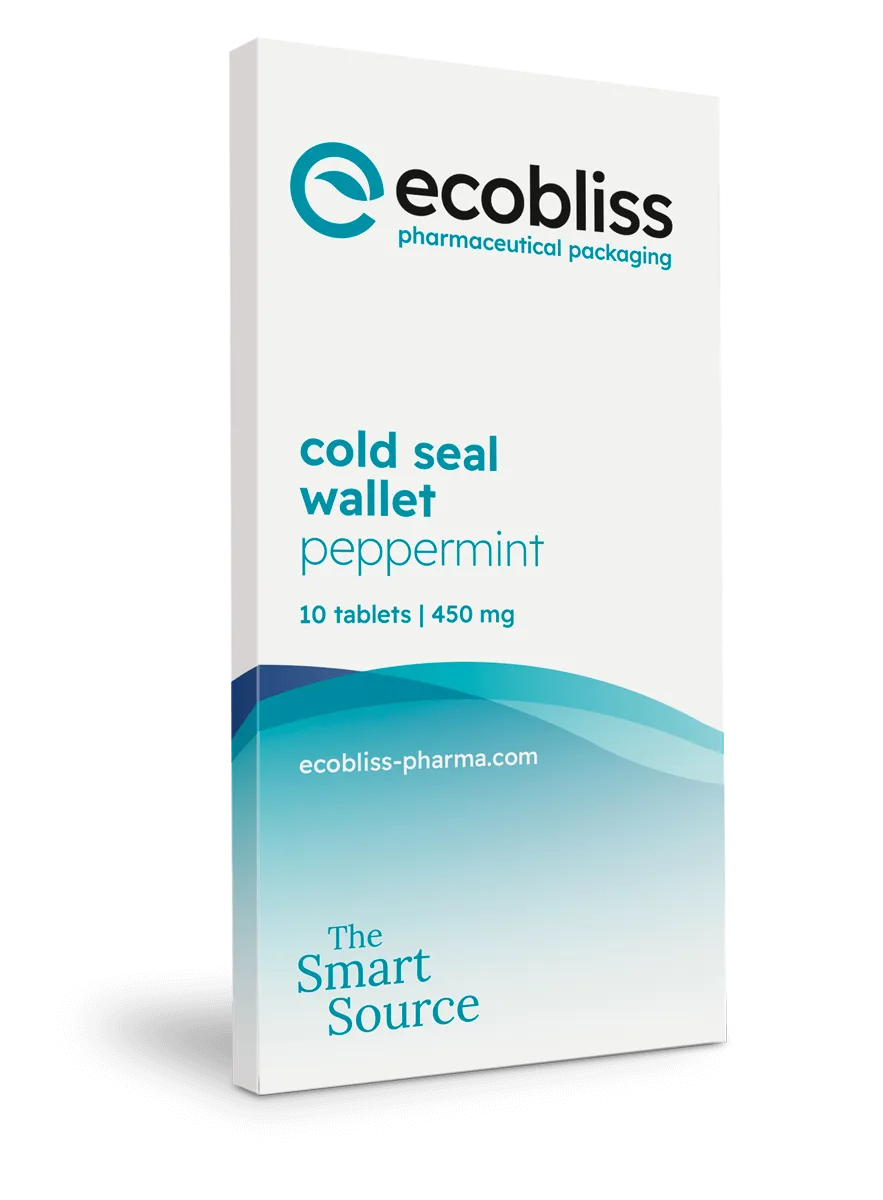
Advanced formats, such as wallets and dosage schedule packaging, help organize these doses clearly. For complex treatments that require frequent step changes, titration packaging for specialist medicines effectively accommodates multiple dosage strengths and actively guides the patient through each treatment stage. This intuitive design significantly improves medication adherence and reduces user mistakes.
Choosing between unit dose and bulk packaging
Unit-dose packaging protects each individual dose and fully supports traceability. It is often the preferred choice in high-value medicine packaging because it minimizes product loss and vastly improves inventory control. Additionally, it empowers patients to follow the correct dosing schedule more easily.
Conversely, bulk packaging uses less material, but it substantially increases the risk of product damage or incorrect end-user administration. In low-volume primary packaging, these associated risks almost always outweigh the initial material savings. Ultimately, the right choice depends on the specific product, the intended distribution model, and the unique needs of the patient.
When custom formats make sense
Standardized formats do not always meet the rigorous demands of rare disease packaging. When the product value is exceptionally high or the treatment protocol is complex, a custom-engineered solution can provide vastly superior control and usability.
This principle is perfectly illustrated in this single-capsule packaging case, where just one high-value unit required a completely dedicated design. In specialized scenarios like this, the packaging evolves to become a vital part of the overall treatment system.
Checklist for low volume packaging decisions
The following points will help guide critical decisions in low-volume pharmaceutical packaging and actively reduce risks during small-batch packaging runs:
• Batch size: Define exactly how many units are packed per run and how frequently these runs occur.
• Unit value: Fully understand the financial and clinical cost impact of losing even a single unit.
• Number of strengths: Carefully plan for the physical separation or safe combination of different product variants.
• Dosing sequence: Assess whether the patient requires titration packaging or step-by-step medication guidance.
• Supply risk: Evaluate exactly how manufacturing or shipping delays might affect patient access.
• Patient use: Ensure the final pack design is clear, intuitive, and easy for patients to follow.
If you need to review your current production setup, you can discuss a low-volume packaging project with our team to explore optimized options that perfectly fit your product and supply chain.
FAQ
Why is primary packaging more complex for low-volume medicines?
Fixed operational steps, such as machine setup and quality checks, take the exact same amount of time regardless of the batch size. In small-volume production, this dynamic naturally increases the cost per unit and magnifies the financial impact of any product loss.
What is the main risk in small batch packaging runs?
The primary risks include the loss, damage, or accidental mix-up of units. This risk increases significantly when handling multiple medication strengths or complex dosing regimens. Implementing clear operating processes and selecting suitable packaging formats effectively mitigates this risk.
When should I use titration or wallet packaging?
These specialized formats are highly useful when treatments involve multiple dosage strengths or a strictly defined dosing sequence. They visually guide the patient through the process and actively support correct medication use.
How does packaging support patient adherence?
Clear visual layouts, clearly labeled sequences, and unit-dose formats directly help patients follow their required treatments correctly. This drastically reduces dosing errors and improves clinical outcomes within specialty pharmaceutical packaging.
Request a free sample now!