
Blister types and materials
- Full-spectrum blister expertise: thermoform (PVC, PVdC, Aclar), cold-form (Alu-Alu), and all-paper materials under one roof
- 90% of our clients choose cold seal as their packaging method for its barrier performance, recyclability, and speed
- No minimum batch size, so you can validate before you commit
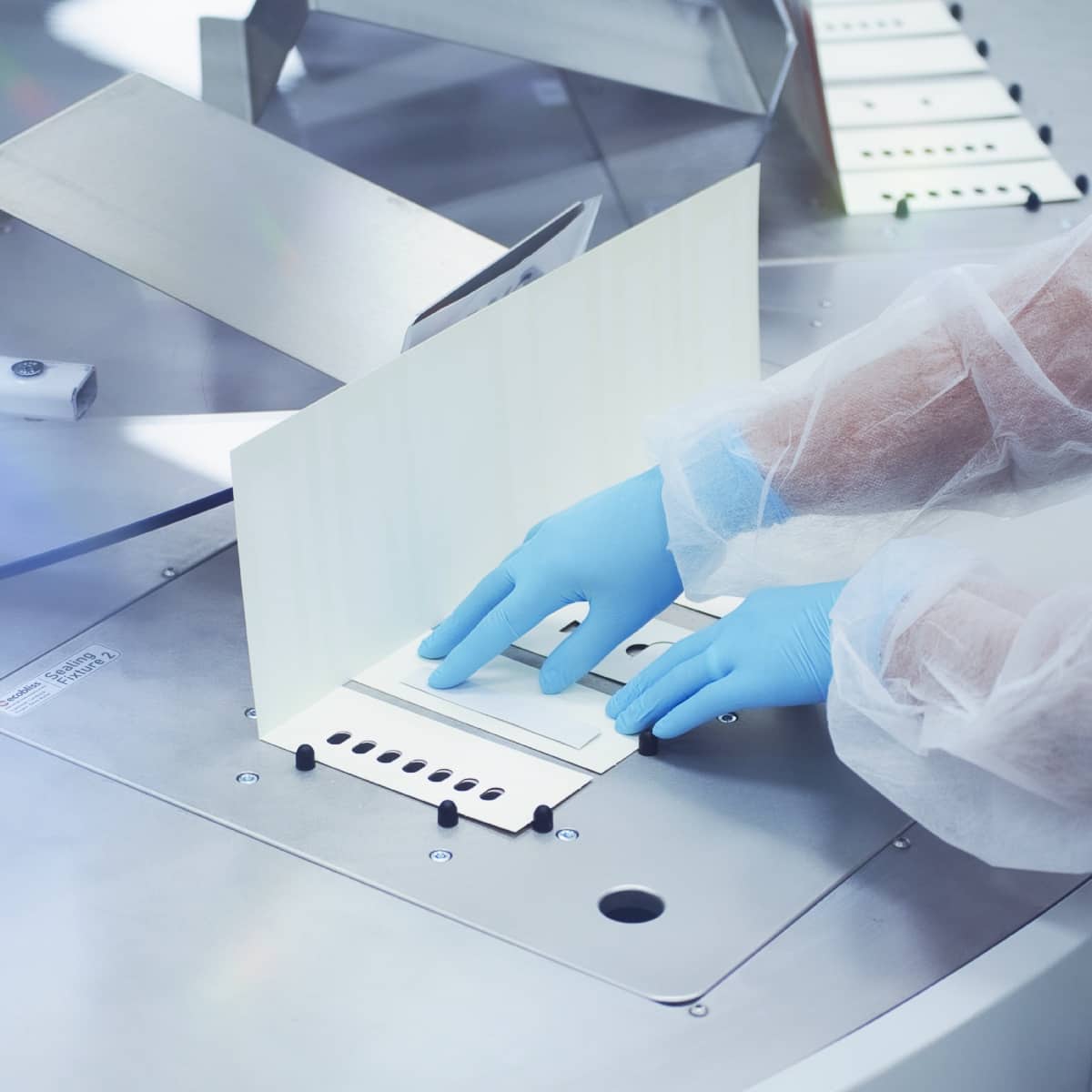


The material you choose today determines your product's stability tomorrow
Every pharmaceutical blister starts with a material decision that ripples through your entire supply chain. PVC offers low cost but limited moisture barrier. PVdC coatings improve protection but add process complexity. Aclar (PVC/PCTFE) delivers high moisture barrier while maintaining transparency. Alu-Alu cold-form provides maximum barrier but sacrifices transparency, increases weight, and complicates changeovers. Each option carries trade-offs in shelf life, regulatory validation effort, sustainability footprint, and packaging line efficiency.
Separately from the blister material, there is the question of how your blister is sealed into its secondary packaging. Ecobliss's cold seal technology uses pressure-only sealing with a water-based adhesive, eliminating heat exposure entirely. This makes it compatible with any blister material, including thermoformed PVC, PVdC, and Aclar blisters, as well as cold-form Alu-Alu. With over 30 years of experience, we evaluate your drug's sensitivity profile, target markets, patient population, and compliance requirements to recommend both the right blister material and the right packaging method.
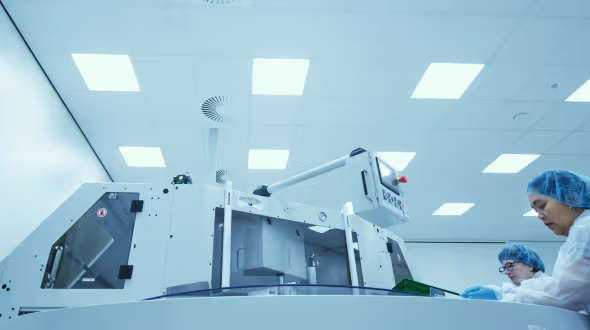
Every blister material, every format, one qualified partner
We produce the full range of pharmaceutical blister formats: push-through blisters for standard oral solid doses, peel-open configurations for moisture-sensitive or fragile products, wallets (open, box, and multi-panel) that improve patient adherence by up to 30%, blister cards for on-the-go convenience, child-resistant packaging certified to EN 14375 and US 16 CFR 1700, and titration packs for complex dosing regimens. Our Locked4Kids patented platform delivers child-resistance with senior-friendly accessibility, certified in both the EU and US markets.
On the material side, we work with mono PVC, PVC/PVdC, PVC/PCTFE (Aclar), aluminium cold-form (Alu-Alu), and all-paper substrates. Any of these blister materials can be combined with our cold seal packaging technology, which Ecobliss pioneered. Cold seal uses pressure-only sealing with a water-based, solvent-free adhesive to seal the blister into a carton-based wallet. It eliminates heat exposure entirely, making it the preferred packaging method for heat-sensitive APIs. The result is a fully recyclable, FSC-certified package that 90% of our clients choose as their sealing method.


From single-batch sampling to full-scale production, without re-validation
Material selection is only valuable if it translates cleanly into production. Ecobliss operates with no minimum batch size, which means you can run pilot batches for clinical trials, stability studies, or market testing on the same GMP-certified lines that handle your commercial volumes. This eliminates the costly re-validation cycle that occurs when you switch from a sampling partner to a production partner.
Our 40 packaging specialists in Echt, Netherlands, manage the complete process: material sourcing, artwork and die development, GMP production, GDP-compliant logistics, and FMD serialization. Whether you need 500 blisters for a Phase II trial or 5 million for a product launch, the line, the team, and the quality system remain the same. That consistency is what companies like Organon, Lundbeck, Sanofi, and Novartis rely on.
The right material decision pays off for years, the wrong one costs you every batch
Switching blister materials after market launch triggers re-validation, updated dossiers, new stability data, and potential supply interruptions. Getting the material decision right the first time is not just a technical preference; it is a commercial imperative. Ecobliss invests the time upfront to map your product's barrier requirements, patient interaction needs, and sustainability targets against available technologies.
This engineering-first approach means fewer surprises during scale-up, fewer change controls post-launch, and a packaging solution that supports your product through its entire lifecycle. Our clients stay with us because the initial recommendation holds up, and because we continuously optimise within the chosen material platform as their volumes and markets evolve.
How we help you select the right blister type and material
Product and requirement analysis
We assess your drug's sensitivity to moisture, oxygen, light, and heat. We review your target patient population, dosing regimen, child-resistance requirements, and target markets to define the technical brief for material selection.
Material and format recommendation
Based on your product profile, we recommend the optimal blister material (thermoform PVC, PVdC, Aclar, or cold-form Alu-Alu) and secondary packaging format (wallet, blister card). We also advise on sealing method: cold seal (pressure-only, no heat) or heat seal, with the trade-offs presented transparently: barrier performance, cost per unit, sustainability impact, and line changeover implications.
Sampling and validation support
We produce sample blisters on production-grade equipment with no minimum order quantity. These samples support your stability testing, clinical supply, and regulatory submissions. All documentation is GMP-compliant and audit-ready.
Scale-up to commercial production
Once validated, your blister moves to full-scale production on the same lines, same team, same quality system. We handle artwork, serialization, and GDP-compliant distribution to your markets.
Not sure which blister material fits your product?
Send us your product brief and we will return a material recommendation with barrier data, cost indication, and sample timeline within five working days. No commitment, no minimum order.
Frequently asked questions about blister types and materials
What is the difference between thermoform and cold-form blisters?
Thermoform blisters use heat to shape a plastic web (PVC, PVdC, or PCTFE/Aclar) into cavities, which are then sealed to a foil lidding. This method allows transparency so patients can see the product. Cold-form (Alu-Alu) presses aluminium into cavities without heat, providing the highest barrier but no transparency and a larger footprint. The choice depends on your drug's barrier requirements, transparency needs, and cost constraints.
What is cold seal and how does it relate to blister materials?
Cold seal is a sealing technique for secondary packaging, not a blister forming method. It determines how the blister (whether thermoformed PVC, Aclar, or cold-form Alu-Alu) is sealed into a carton-based wallet using pressure only, with a water-based, solvent-free adhesive. No heat is applied at any point, making it ideal for heat-sensitive APIs. Cold seal is Ecobliss's signature technology and the packaging method chosen by 90% of our clients. The alternative is heat seal, where the blister is sealed into its packaging using heat and pressure.
When should I choose Alu-Alu cold-form over thermoform materials?
Alu-Alu is typically chosen when your drug requires the highest possible moisture and oxygen barrier, or when regulatory precedent in your target market requires an all-aluminium configuration. However, it sacrifices transparency, increases package weight, and has a larger cavity footprint. For many oral solid doses, thermoform materials like PVdC or Aclar provide sufficient barrier at lower cost and with transparency. We recommend comparing options with your specific drug stability data.
Is cold seal technology suitable for child-resistant packaging?
Yes. Our Locked4Kids platform combines cold seal technology with a patented child-resistant mechanism certified to EN 14375 (EU) and 16 CFR 1700 (US). It is designed to be child-resistant while remaining accessible for elderly patients, addressing both safety and usability requirements.
What is PVC/PCTFE (Aclar) and when is it used?
PVC/PCTFE, commonly known by the brand name Aclar, provides significantly higher moisture barrier than mono PVC or PVC/PVdC while maintaining thermoform transparency. It is used for highly moisture-sensitive oral solid doses where Alu-Alu is not preferred due to transparency requirements or cost constraints. Like any thermoform blister, Aclar blisters can be packaged using cold seal technology.
Can I switch blister materials after regulatory approval?
Technically yes, but it triggers a variation filing that typically requires new stability data (usually 6 months accelerated minimum), updated dossier sections, and potentially new patient testing for child-resistant formats. This is why getting the material decision right before initial submission is critical.
Does Ecobliss have minimum order quantities for blister production?
No. We operate with no minimum batch size across all blister types and materials. This allows you to produce clinical trial supplies, stability samples, or market test batches on the same GMP-certified production lines used for commercial volumes, avoiding costly re-validation when scaling up.
How does cold seal packaging contribute to sustainability goals?
Cold seal wallets use a carton-based substrate that is fully recyclable in standard paper waste streams. The adhesive is water-based and solvent-free. Our substrate is FSC-certified (C194323). Because the wallet is paper-based, it avoids the mixed-material waste generated by conventional blister packaging methods, making disposal straightforward for patients and compliant with circular economy targets.
Contact the team


Or send a message
One moment please, loading calendar...


