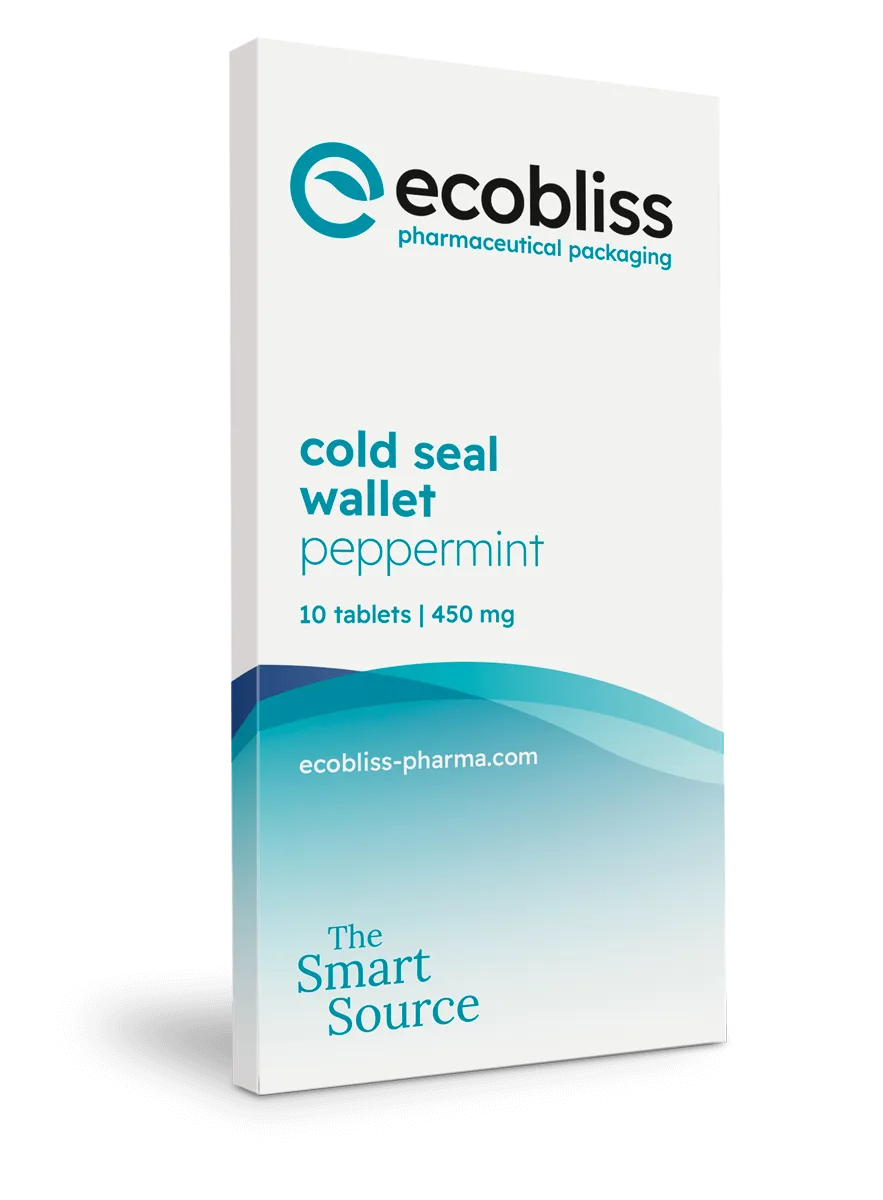
A blister tablet is just a tablet packaged in a blister pack: one dose per cavity, sealed under foil. The format dominates pharmaceutical solid orals globally for a reason. It does four things bottles can't do as well, and pharma has spent sixty years iterating on the engineering inside.
What the blister actually does
The cavity around each tablet seals it from the air. That sounds trivial until you remember that most APIs degrade in moisture, oxygen, light, or some combination of all three. The cavity creates a microenvironment that holds for the full shelf life, two or three years typically, even when the rest of the pack has been opened.
Bottles do the opposite. Open one once, and from that moment every tablet inside the bottle shares the same air. For unstable APIs, that's months of lost shelf life from the moment the cap comes off.
Patient adherence is the hidden value
Pharma's bigger problem isn't whether medicines work. It's whether patients take them. WHO estimates 50% of patients with chronic conditions in developed countries don't take their medication as prescribed. Half. That's the difference between effective therapies and wasted prescriptions.
A blister tablet pack with a calendar layout is one of the cheapest, most evidence-backed adherence interventions in modern pharma. Patients glance at the wallet, see whether Tuesday's dose is gone, take it if not. Adherence lifts roughly 30% in published studies. For chronic conditions, that's measurable clinical outcome data.
The materials matter more than people think
A PVC blister and an Alu-Alu blister look similar from across the room. They are not similar. PVC is fine for stable formulations, gives you a basic moisture barrier, and costs the least. Alu-Alu (cold-formed aluminum) gives you the highest barrier in pharma packaging and is what you reach for when the API is hygroscopic, light-sensitive, or both.
Pick the wrong one and the cost shows up in stability data nine to twelve months in. Pick the right one and you save the launch.
Cold seal vs heat seal blisters
Two ways to bond the lidding to the cavity. Heat seal applies temperature plus pressure, which works fine for stable APIs but is rough on heat-sensitive products. Cold seal uses pressure alone, no heat, which protects biologics and other temperature-sensitive APIs during the assembly step.
Cold seal also runs faster and uses about 80% less energy than heat seal. We invented the technology in the 1990s and now run the largest cold seal blister production capacity in EU pharma. Read more here if you want the engineering view.
When pharma should pick something else
Blister tablets are the right answer for most solid oral medicines, but not all. Effervescent tablets need a moisture-controlled tube with a desiccant cap. Very high-volume OTC products often run cheaper in HDPE bottles. Some hospital dispensing workflows want bulk bottles for repackaging on-site.
For everything else, blister wins on stability, adherence, and tamper evidence. Tell us about your tablet and we'll spec the blister format that fits.
Request a free sample now!