


Secondary packaging is the layer between the medicine and the patient. The carton, the wallet, the kit, the multipack. It carries the brand, the leaflet, the tamper-evidence band, the FMD 2D Data Matrix code. Primary packaging touches the API and gets all the regulatory attention. Secondary doesn't touch the API and gets less attention than it should.
Why secondary matters more than its reputation suggests
Primary packaging keeps the medicine stable. Secondary packaging decides whether the patient takes the medicine.
A wallet with a printed calendar lifts adherence by roughly 30% over a generic carton. That single design decision is often worth more in real-world clinical outcomes than tweaking the API formulation. The decision happens at the secondary packaging level, not the primary.
A multi-language booklet label prevents dosing errors that a single-language carton would cause. A child-resistant outer pack prevents accidental ingestion incidents that a regular carton wouldn't. Both decisions live in secondary, neither lives in primary.
What secondary packaging includes
The common formats:
Folding cartons. Paperboard outer carton with patient leaflet inside. The default for most prescription medicines. Carries branding, FMD code, regulatory information.
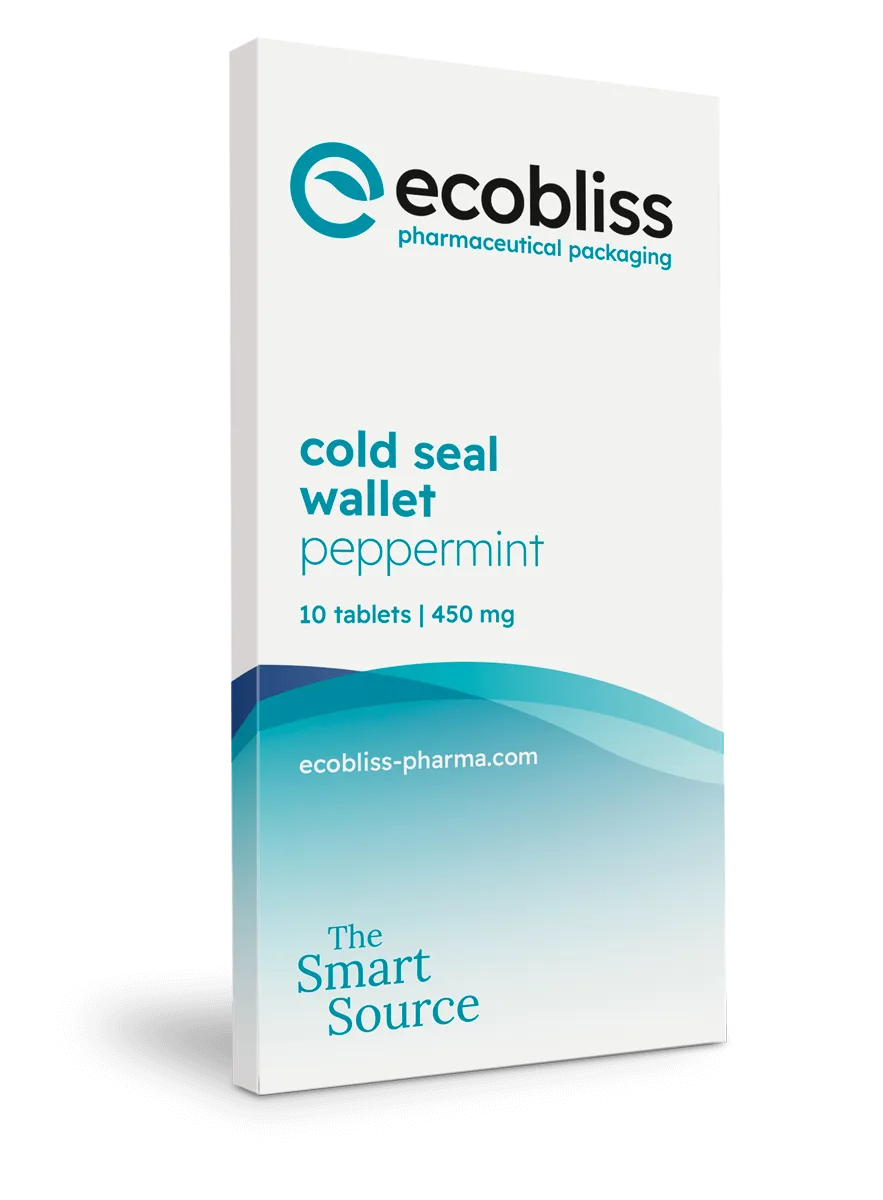
Cold seal blister wallets. The blister bonded directly to a paperboard wallet, often with a calendar layout printed across it. Better for chronic medication adherence than a generic carton.
Multi-component kits. Multiple primary packs grouped together for clinical trials, combination therapies, or bundled OTC products.
Multi-pack assemblies. Hospital-friendly bundles of primary packs, often sized to a treatment course.
Plus the regulatory features: tamper-evidence bands or seals, FMD-compliant 2D Data Matrix codes, Braille on the outer carton, multi-language booklet labels for international launches.
Where launches go wrong on the secondary side
Two patterns we see in real launches:
Mismatched primary and secondary. The carton is spec'd before the blister geometry is finalized, the blister rubs against the carton wall in transit, the foil scratches, the tamper-evidence looks broken even when it isn't, the pharmacist refuses to dispense. Real returns problem.
Adherence as afterthought. Beautiful carton, generic blister inside. Six months in, refill rates are 40% lower than the trial predicted. The wallet design that would have lifted adherence by 30% was on the next product cycle that never happened.
Both are avoidable if secondary packaging is part of the launch conversation from the start.
Sustainability lives in secondary
If you're working on the sustainability story for your packaging, secondary is where most of it lives. FSC-certified paperboard, water-based adhesives, recyclable mono-material wallets, separable layers at end-of-life. None of that is possible at the primary level for most APIs because the barrier requirements are too tight.
Cold seal wallets pair recyclable paperboard with a smaller blister cavity inside. The patient can separate the layers, recycle the wallet, and discard the much smaller blister. That's the most defensible sustainability story in pharma packaging.
If you're scoping secondary
The conversation we have with most customers starts the same way: tell us about the primary pack, the patient profile, the markets, and the regulatory targets. From there we work outward to the wallet, the carton, the kit. Most secondary packaging that works iterates two or three times before locking down.
Send us a brief if you're working on a launch in 2026 or 2027. We'll come back with two or three configurations and a sample. Or read more about our secondary contract packaging service.
Request a free sample now!


.avif)


