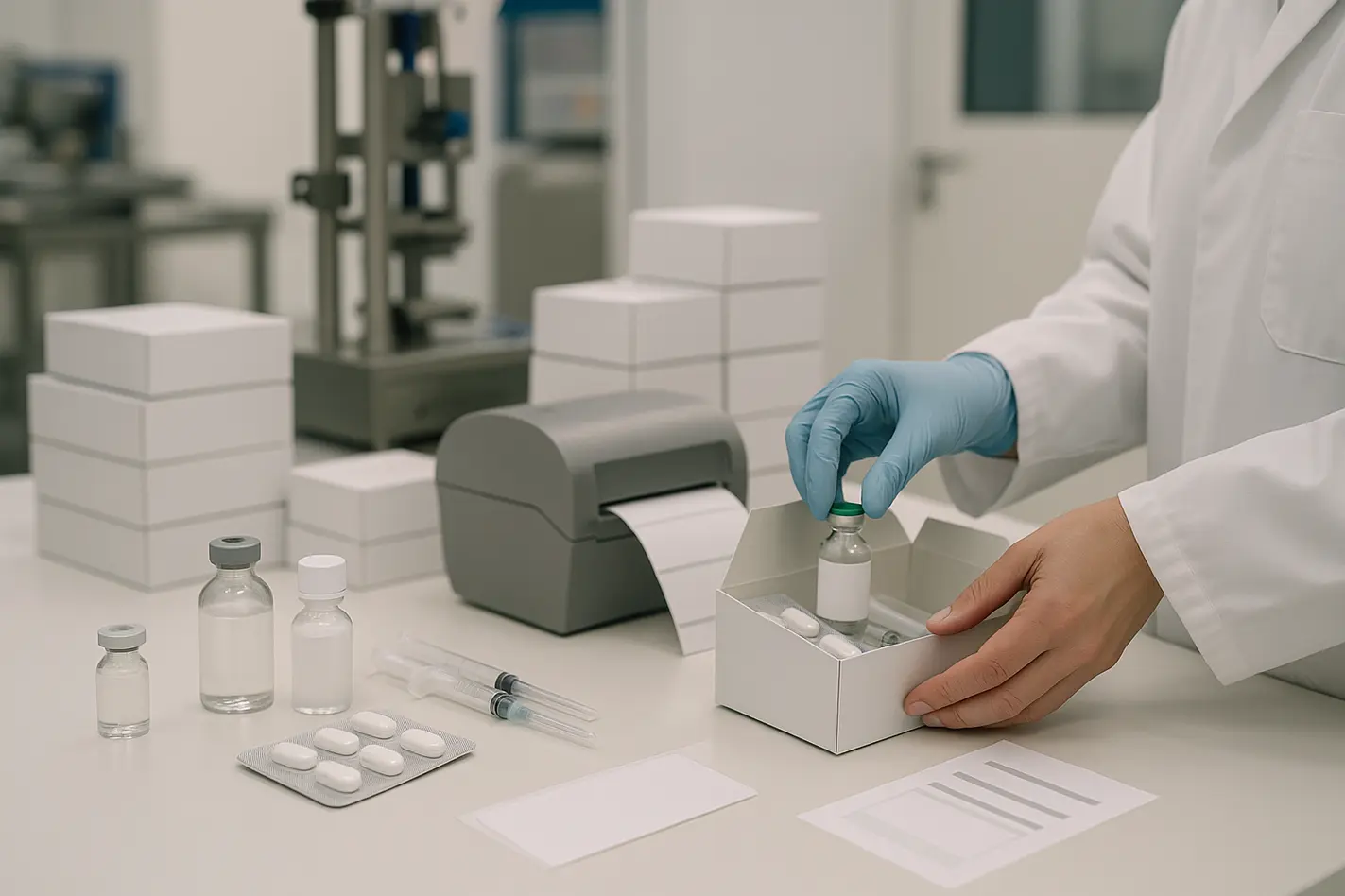


Tamper-evident packaging is the layer that signals when a pack has been opened or compromised. Required by EU FMD 2011/62/EU for prescription medicines since February 2019, and by FDA regulations for OTC drugs since the Tylenol cyanide case in 1982. The regulation is older than most of the people working in pharma packaging today, but the implementation details are still where most launches stumble.
Ecobliss builds FMD-compliant serialisation into its pharmaceutical contract packaging, so packs leave verified and traceable.
Why tamper-evidence matters operationally
Counterfeit medicines are a real problem. The WHO estimates 10% of medicines in low-income markets are falsified. Even in regulated EU and US markets, parallel imports and online channels create exposure. Tamper-evidence is the patient's first visible signal that the pack hasn't been compromised.
It also matters for the pharmacy. A pharmacist who sees a damaged tamper seal won't dispense, regardless of whether the damage was malicious or accidental. That's a real returns problem if your pack design has marginal tamper-evidence that gets damaged in normal transit.
What FMD actually requires
EU Falsified Medicines Directive 2011/62/EU mandates two safety features for prescription medicines:
A tamper-evidence device. Must show visible signs if the pack has been opened. The directive doesn't specify the technology, just the outcome.
A unique 2D Data Matrix code. Carries product code, batch number, expiry date, and serial number. Verified at the point of dispense against the EU repository.
Both are required since February 2019. Most companies satisfied the tamper-evidence side with foil-sealed blisters and a tamper band on the carton, plus the 2D code printed on the carton.
Common tamper-evident features
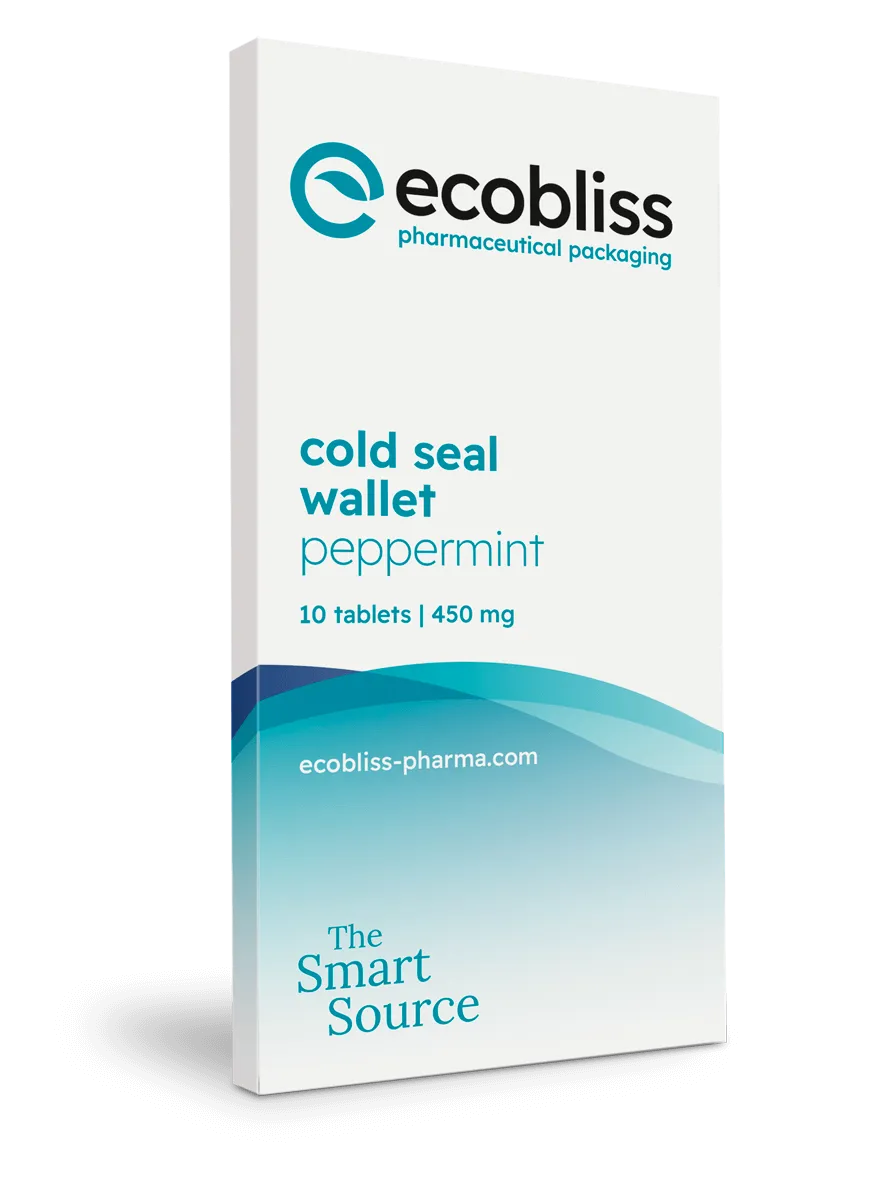
Cold seal wallets
Inherently tamper-evident. Any attempt to access the blister damages the paperboard wallet visibly. The whole format is built around layered protection.
Foil seals on blisters
A torn foil is an obvious signal. Standard for push-through blisters. The risk is that mechanical damage in transit can mimic tampering, leading to false positives at the pharmacy.
Carton flap seals
Glued or perforated flaps that can't be reclosed cleanly. Common on folding cartons. Adhesive choice matters: weak adhesive is unreliable, strong adhesive damages the carton when opened.
Shrink bands and breakaway perforations
Plastic bands that tear when the pack is opened, or perforations on the carton that show a permanent visible mark. Cheap and effective.
Where tamper-evidence design goes wrong
Two patterns we see:
First, false positives in transit. The tamper feature is too sensitive, normal handling damages it, the pharmacist refuses to dispense. The fix is mechanical testing under realistic transit conditions before locking the design.
Second, tamper-evidence that doesn't actually deter motivated tampering. A weak shrink band can be steamed off and reapplied. A foil seal can be cut and re-glued. The serious tamper-evidence requires multi-layer features that defeat reapplication.
Combining tamper-evidence with serialization
Modern pharma packaging combines tamper-evidence with FMD serialization (the 2D Data Matrix code). Together they give you both visible deterrence and full supply chain traceability. Read more about anti-counterfeit packaging.
We run both as standard in our secondary contract packaging. If you're spec'ing tamper-evidence for a new launch and want to make sure the design works under real transit conditions, send us the brief.