
Clinical packaging and labeling is the work of taking an investigational medicinal product and turning it into something a trial site can dispense to a patient on day one. Wallets, kits, multi-language patient labels, randomization codes, IRT-compatible barcodes. Done well it disappears into the trial protocol. Done badly it becomes the reason recruitment slows, sites complain, and the read-out slides by months.
What clinical packaging actually covers
Two layers of work, both regulated, both error-sensitive:
Packaging. The blister, the wallet, the kit. Whatever holds the IMP and the placebo (if blinded). For Phase I you might ship 500 units total. For Phase III maybe 50,000. Format flexibility matters more than throughput at trial volumes.
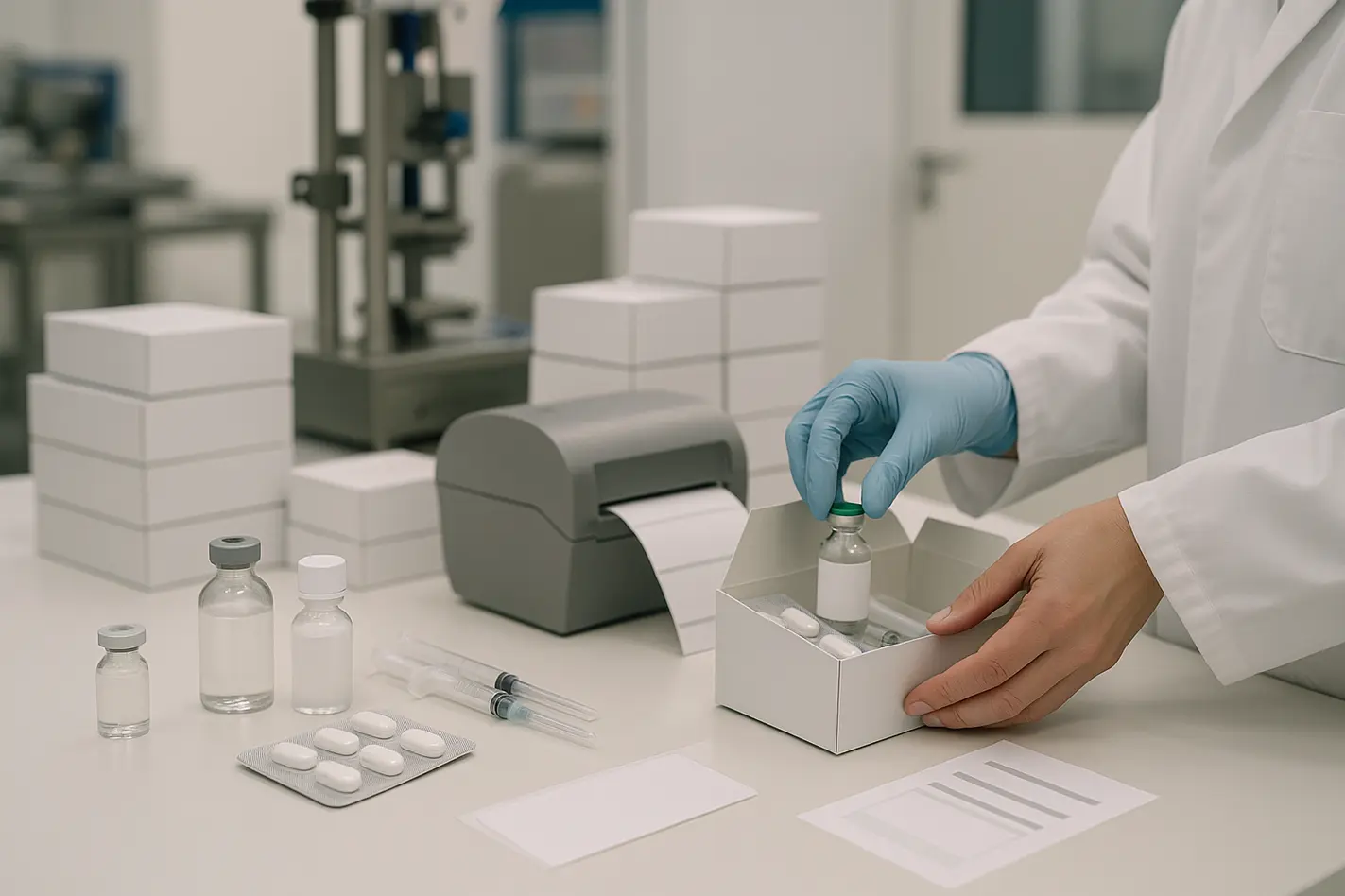
Labeling. Patient labels, kit labels, carton labels, booklet labels for multi-language trials. Each label has to satisfy local regulatory requirements (EU CTR, FDA 21 CFR 312, ICH GCP) and integrate with the IRT/RTSM system at every site.
Where labeling breaks trials
Three patterns we see consistently:
Translation errors caught at site activation. The booklet label was translated into nine languages, two of them have errors that the site coordinator catches on day one. Recruitment delays a week while you reprint and reship.
IRT integration mismatch. The kit code on the wallet doesn't scan correctly with the IRT system at three out of seventeen sites. Sites can't dispense, patients sit in the waiting room.
Regulatory compliance gaps. The label satisfies EU CTR but not FDA 21 CFR. The trial is multi-region and you didn't catch the mismatch until the FDA inspector asked.
All preventable with rigorous label management and integration testing before site shipment.
Blinding, stability and patient confidentiality
In a blinded study the active product and the placebo have to look the same in the pack, and nothing on the label or kit code may reveal which is which. One visible difference and the study is unblinded. We take care of labelling the study medication, blinding and QP release in-house.
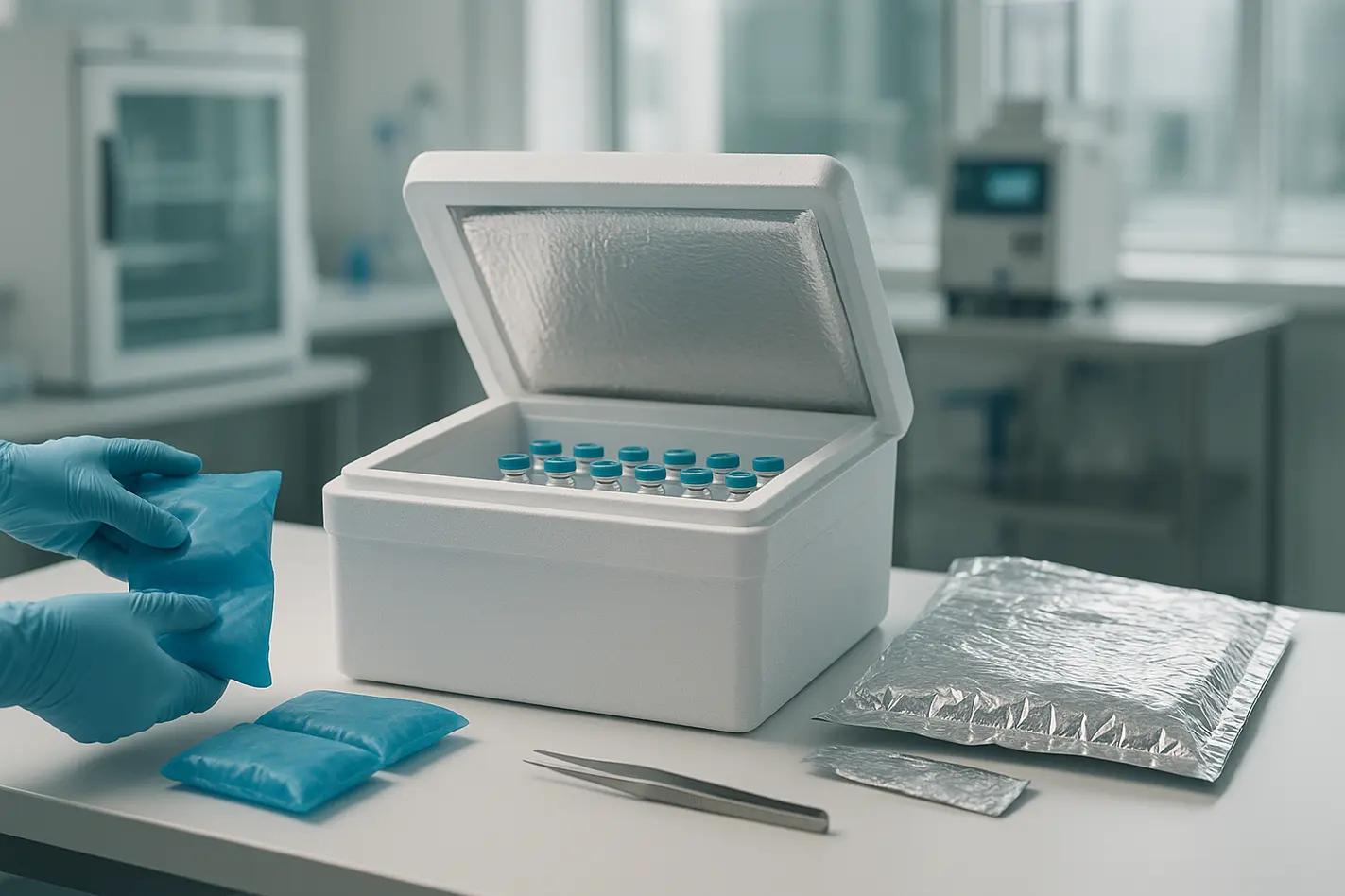
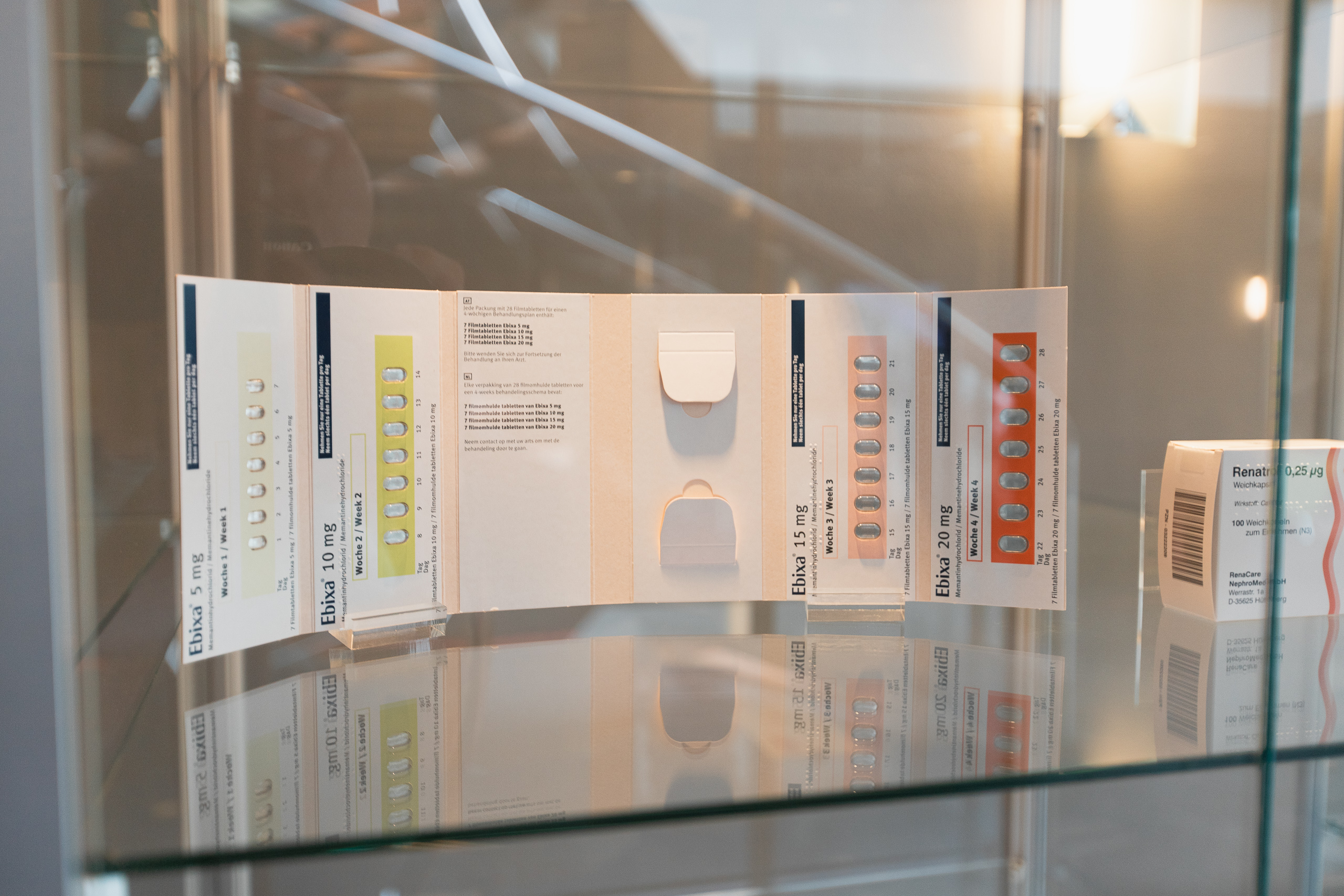
The pack also has to protect the investigational medicinal product from environmental factors for the full duration of the trial, so the last dose is as stable and effective as the first. Dosing calendars and clear labels help participants follow the protocol, which keeps the trial data valid.
Why low volume changes everything
A lot of contract packers struggle with trial supply because their economics depend on high throughput. Setup time and validation costs amortize over millions of packs. Drop the volume to 5,000 packs across three cohorts and the math doesn't work for them.
A serious trial supply partner runs low-volume work as part of their standard model, not as a favor. We do: our lines are validated for clinical batches, and the same team and lines scale to commercial volumes.
Cold seal wallets for clinical trials
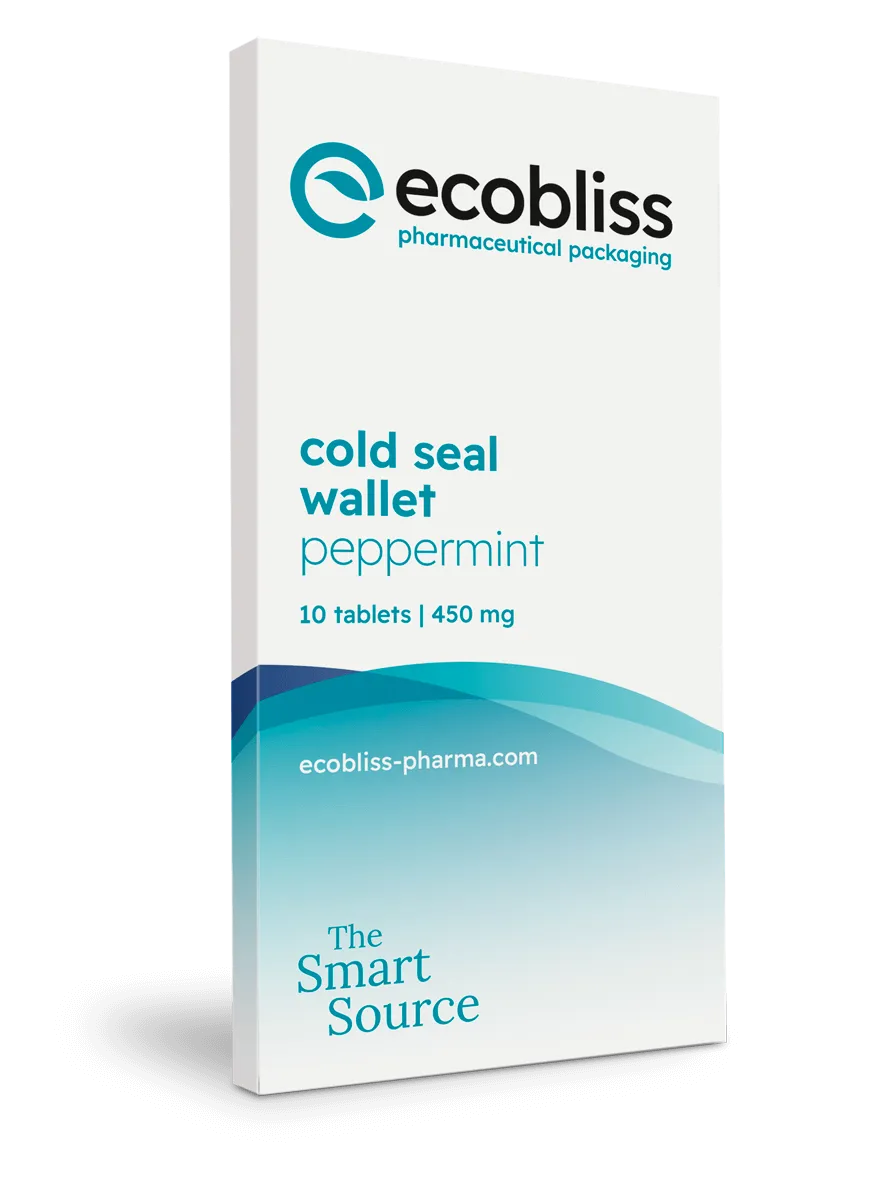
Most of our trial supply work runs in cold seal blister wallets. The format suits trials for three reasons: low MOQ tolerance (we run 500-unit batches), fast format change between cohorts, and wallet calendar layouts for adherence-sensitive protocols.
Cold seal closes the pack with pressure instead of heat, so it also suits heat-sensitive products.
For trials with pediatric exposure or schedule-controlled APIs, we add child-resistance via the Locked4Kids platform. Same wallet, same line, different feature set.
Clinical-to-commercial handoff
If the trial reads out positive, the same packaging line should scale to commercial volumes without re-validation. That's a property of the partner, not a guarantee.
We run trial supply and commercial production on the same lines, validated for both. The wallet that ships 500 trial units in Phase II ships 5,000,000 commercial units after launch, with no protocol re-validation.
Choosing a clinical trial packaging partner
Four questions decide most of the choice:
Services. Can they handle blister packaging, labeling and the specialised parts of your protocol under one roof?
Track record. Have they packed clinical trial medication for the pharmaceutical industry before, and can they show it?
Quality and regulatory compliance. Do they hold a GMP licence, and do they know the rules of every region your trial runs in?
Value. What do you get for the price, weighing cost against quality?
If you're scoping clinical packaging
The conversation starts with the protocol: regimen, cohort structure, languages, cold chain, IRT system, regulatory regions. From there we work backward to the wallet and the labels. Send us the protocol and we'll come back with a packaging concept and a timeline. Or read more about our clinical trial packaging service.