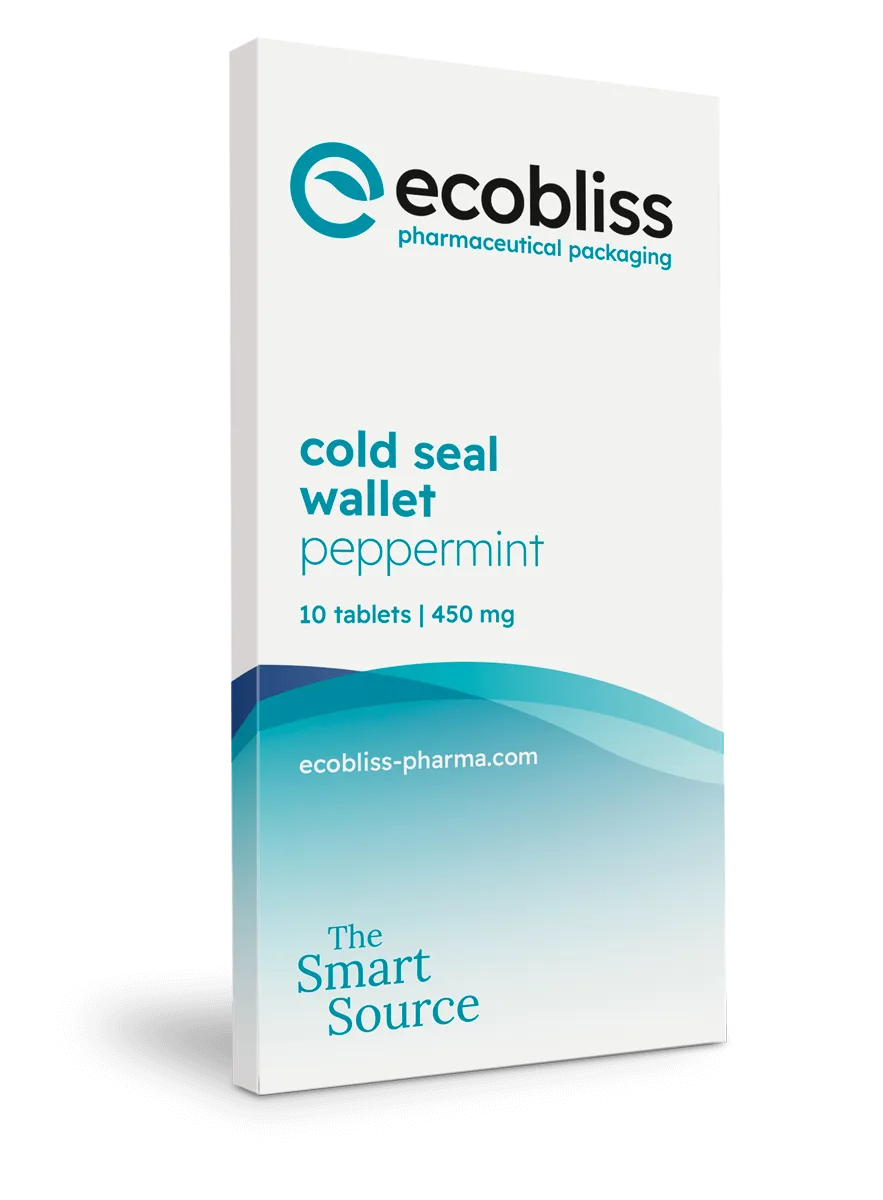
Pharmacists divide tablets into roughly a dozen categories. The differences look invisible from the outside, every category is a small disc of pressed powder, but the engineering behind each one decides how fast the drug reaches the bloodstream, who can actually swallow it, and what the package around it has to do.
This guide walks through the main tablet types you'll meet in commercial pharma, and what they mean for the packaging on the other side.
Conventional tablets
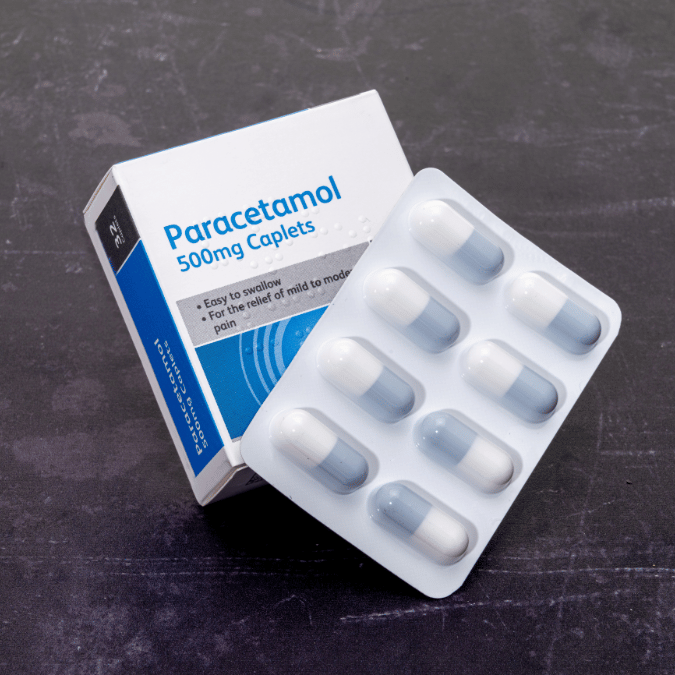
The default. Press the powder, swallow with water, the API releases as the tablet disintegrates in the stomach. Most prescription tablets you've ever taken are this category. They package well in standard PVC blisters, although moisture-sensitive APIs jump straight to PVDC or Alu-Alu.
Chewable tablets
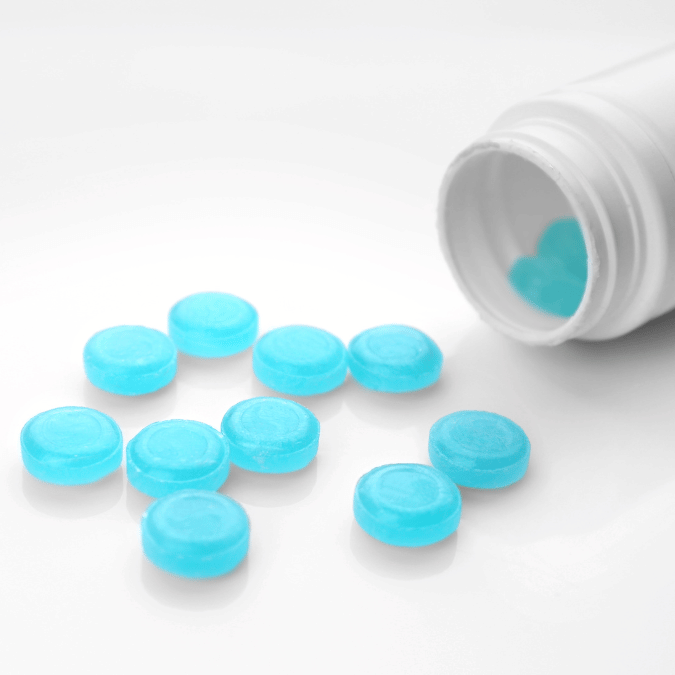
Designed to be chewed instead of swallowed. Useful for children, for adults who hate pills, and for APIs that absorb partly in the mouth. Almost always flavoured, which means a different barrier story: chewables can pick up odours from the surrounding pack, so the lidding foil matters more than you'd think.
Effervescent tablets
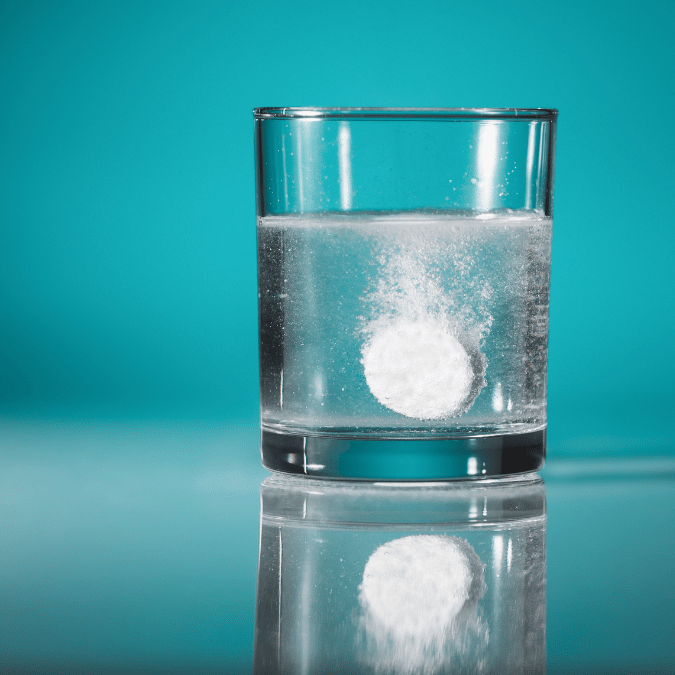
Drop them in water, watch them fizz, drink. Liquid absorption is faster than solid, which suits paracetamol or vitamin C where speed matters. The fizz comes from a citric-acid-and-bicarbonate reaction, which means a tube with a desiccant cap, not a blister, because effervescents are ferocious moisture absorbers.
Sublingual and buccal tablets
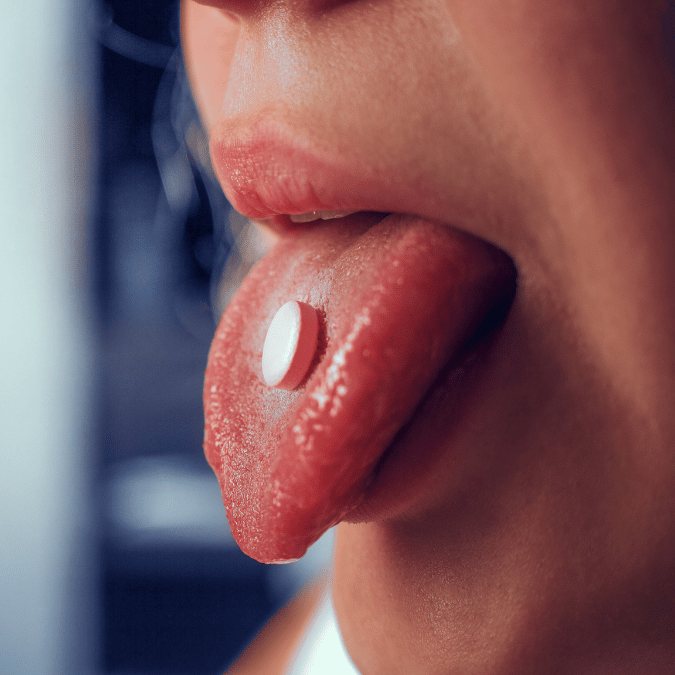
Placed under the tongue (sublingual) or in the cheek pocket (buccal). The tablet dissolves quickly and the API absorbs through the mucous membrane straight into the bloodstream, skipping the digestive tract entirely. Used for nitroglycerin in angina attacks where seconds count, and for some hormone therapies.
Extended-release tablets
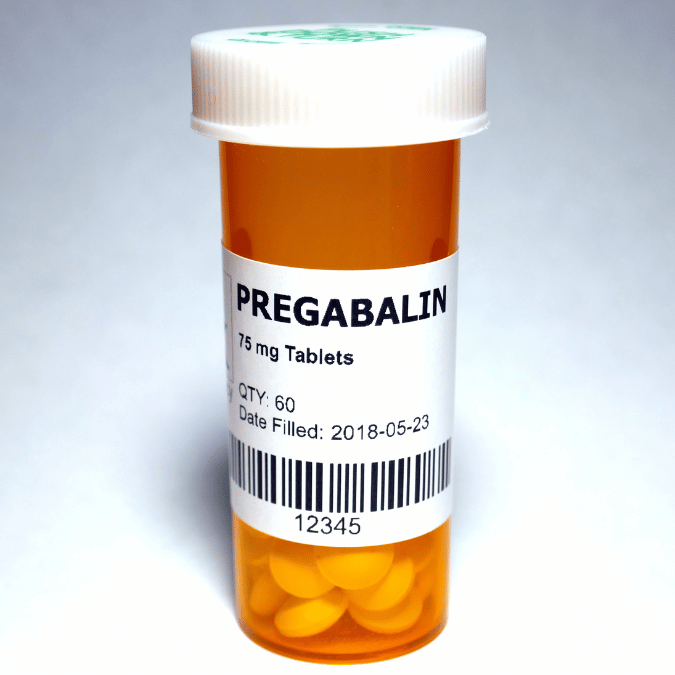
Engineered to release the API slowly, sometimes over twelve or twenty-four hours. The patient takes one tablet a day instead of three or four. For chronic conditions like hypertension or diabetes, that single change is the difference between adherence and failure. Packaging-wise, extended-release tablets are often hygroscopic and need higher barriers.
Orally disintegrating tablets (ODT)
.png)
Dissolves on the tongue without water. Built for pediatric patients, for stroke patients with swallowing difficulties, and for psychiatric treatments where compliance is fragile. ODTs are notoriously moisture-sensitive, so they almost always ship in Alu-Alu blisters, never PVC.
Coated tablets
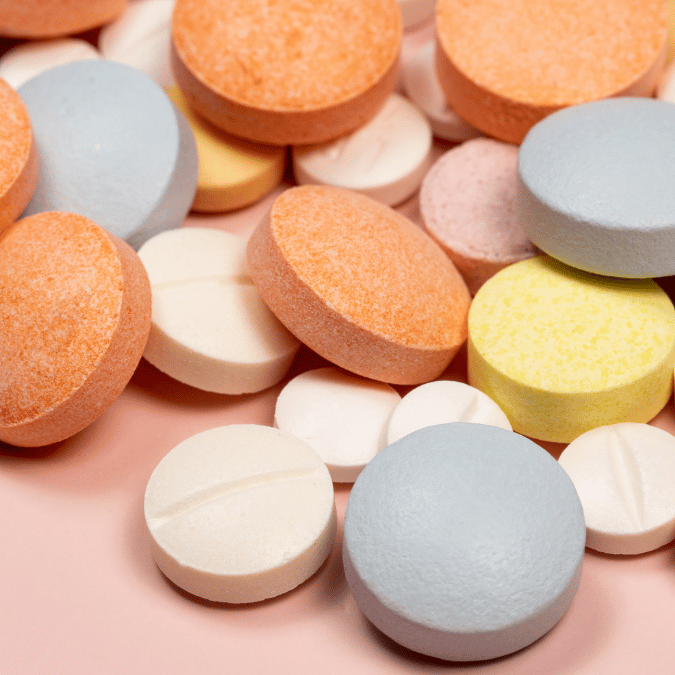
A film or sugar layer over the tablet. Functional coatings control where in the gut the tablet dissolves (enteric coatings), mask bitter taste, or protect light-sensitive APIs. Aesthetic coatings make a generic tablet recognisable as a brand. Read more about tablet coating machines if you want the production view.
Where the packaging conversation starts
Tablet formulation is the front half of the work. The back half is keeping that tablet stable, dispensable, and easy for the patient to use on day ninety, day three hundred, and day seven hundred. We pair stability data to barrier materials, dosing schedules to wallet layouts, and patient profiles to opening mechanisms.
If you're spec'ing the pack for a new tablet program and want a second opinion before locking in the format, send the brief over. Or if you'd rather see what we mean by the difference between PVC and Alu-Alu, we'll send you both.
Request a free sample now!