What is a blister pack in pharmaceutical packaging?

Gianni Linssen
Written by
Gianni Linssen
/ Published on
December 18, 2025
What is a blister pack in pharma? Learn about formats, materials, safety, and when custom designs help your product and team succeed. Read more.
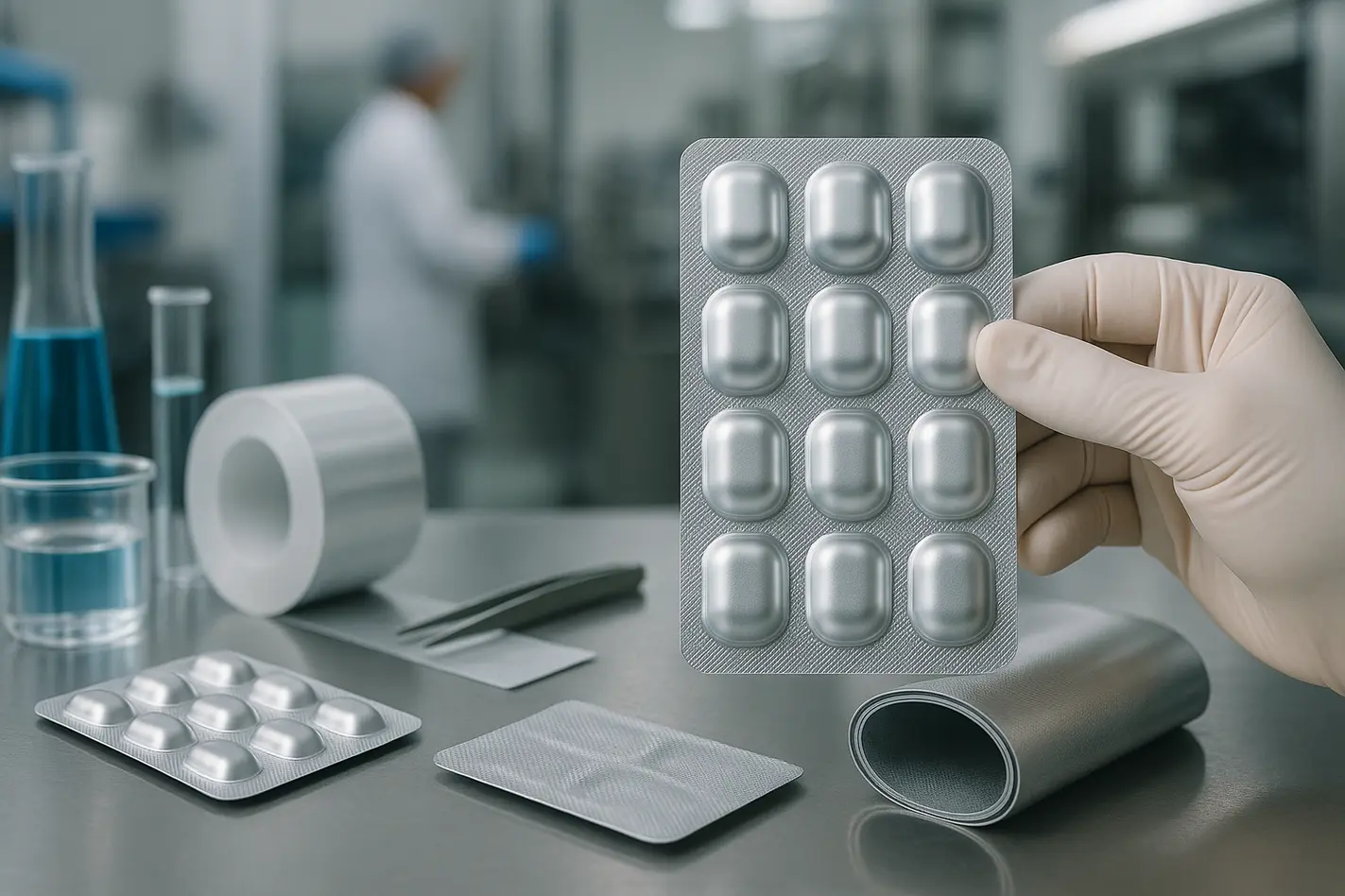
Professional photo showcasing realistic blister packs, lab tools, and sterile settings in pharma.

A blister pack in pharmaceutical packaging is a medicine pack that holds each dose in its own sealed pocket. It protects the product from air, moisture, and light, and helps patients take the right dose at the right time. Each cavity, or pocket, holds one tablet, capsule, or device. A sealed lid covers the product until use. Blister packs are often used when medicine needs protection or when correct use is critical.

• A blister pack holds individual doses in sealed pockets, helping protect and organize medication.

• It has two main parts: the forming film for the pockets and the lidding foil for the seal.

• Thermoformed and cold formed blister packs offer different barrier levels, based on drug needs.

• Features like adherence labels, child resistance, and senior-friendly design improve safe use.

• Some treatments need tailor-made blister solutions for complex dosing or high protection.

What is a blister pack in modern pharma

In pharma, a blister pack is primary packaging that holds one dose per cavity. It separates and seals each tablet, capsule, or device to support quality, safety, and patient use. The pack is made to exact shape and size requirements based on the medicine inside. It is used for solid oral drugs and sometimes for small diagnostics or accessories. Since the material touches the medicine directly, it must follow strict safety and quality rules.

What is a blister pack made of: forming film and lidding foil

A pharmaceutical blister pack has two main layers: the forming film and the lidding foil. These materials work together to form the container and seal it. Choosing the right materials helps protect the drug and support correct use.

Forming side: pockets that shape and protect each dose

The forming film is usually plastic or laminate. It forms the cavities that hold each dose. The film is shaped using heat or pressure to fit the tablet or capsule. Common films include PVC, which offers basic moisture protection, and PVC PVDC blister films, which provide better barriers. For sensitive drugs, manufacturers use alu-alu blister packs, where the cavity is formed from aluminum laminate. This gives stronger moisture and light protection.

Lidding side: sealing, printing, and opening behavior

The lidding foil is the layer sealed on top of the cavities. It is often made from thin aluminum foil and may include paper or plastic for extra features. The seal keeps the dose safe until the user opens it. Push-through blister packs are common, where the patient presses the tablet through the foil. Peel or peel-push types are also used, especially for seniors. Important information like the drug name, strength, expiry date, and batch number is often printed on the lidding foil.

What is a blister pack in terms of forming technology

Blister cavity formation depends on the material and drug needs. Two main technologies are used: thermoforming and cold forming. Each method affects product protection and how the pack is used.

Thermoformed blisters use heat to soften plastic, then shape it using a mold. They suit less sensitive medicines and allow faster production. Cold formed blisters shape an aluminum-based laminate using pressure alone, without heat. These cold formed blister packs provide a higher moisture and light barrier, making them suitable for sensitive drugs that need strong protection.

There are also cold-seal blister packaging systems that close the pack using pressure. These cold-seal blister options avoid heat, making them useful for heat-sensitive products or production lines with special needs.

Barrier levels, shelf-life, and stability data

Barrier strength affects how long the product lasts and how it stays stable. Moisture barrier packaging protects the drug from water, which can cause it to break down. Oxygen and light barriers also matter for some sensitive ingredients. Stability studies normally guide which materials and thicknesses are needed. For example, drugs that degrade in light may use an alu-alu blister. Others may only need a PVC PVDC blister.

What is a blister pack doing for dosing and adherence

A blister pack supports unit dose packaging, which means one dose per pocket. This helps prevent mix-ups and makes it easier to follow treatment. The layout can show patients when and how to take each dose, which is called adherence packaging. Packs for this use calendar formats, color steps, or clear labels to guide the user over days or weeks.

For example, a medicine with three strengths and a changing daily dose might use a blister layout that maps the full dosing plan. Some packs include graphics or wallet cards to support better understanding. These features help patients stick to their treatment plans, reducing the chance of errors.

Senior-friendly packaging and real-world usability

Many users find some packs hard to read or open. Senior-friendly packaging helps those with reduced strength, vision, or dexterity. Designs may include larger fonts, wider tabs, or peel-open lids. These changes support adults and seniors while keeping the needed protection. For example, a peel-push layer avoids the need for strong pushing force, helping those with arthritis.

What is a blister pack from a safety and compliance perspective

In some cases, medicines must stay out of reach of children. A child-resistant blister uses extra features to delay opening by young children. These include stronger foil, extra tear layers, or secondary packs that need two actions to open. These packs are tested by standards that check performance against real child and adult users.

Tamper evidence is another safety feature. It means the user can tell if the pack has been opened or changed. This can be a perforation, a broken seal, or a mark that changes once opened. Together with good barrier and seal quality, these features support compliance with rules like Good Manufacturing Practice (GMP).

Balancing child resistance and access for adults

Packaging must protect children while remaining usable for caregivers or elderly patients. Designs must find the right balance. Some systems add a wallet that requires two steps to access the blister, increasing safety without making opening too hard. These designs require testing with both children and older adults. You can see more examples in our child-resistant packaging solutions.

Printing, coding, and traceability on blister packs

The lidding foil can include printed details such as batch number, expiry date, or strength. In some cases, the forming film may also carry codes or markers. These features support recalls, traceability, and safety checks. Some regulations also require a 2D code or serial number on the carton that holds the blister. This is part of a process called serialisation, used to fight counterfeiting and manage supply chains.

What is a blister pack format in complex therapies

Some medicines require more than a basic pack. A patient may have to take multiple tablets with changing doses over several weeks. In this case, complex blister formats help keep the process clear. These often include multiple panels or wallet cards inside a carton, each part showing the right timing and dose.

One clear example with 168 tablets in five strengths in one child-resistant pack shows how blister design can support a full therapy plan. This type of format helps reduce errors and improves how well patients follow their treatment.

Aligning pack format with manufacturing and supply

Blister format must also match real-world line and tool setups. Cavity layout, pack size, and sealing style all affect packing speed and accuracy. That is why early pharma packaging design and development helps prevent issues later, such as slow lines or unexpected barriers. Our teams help align therapy needs with pack design at this stage.

What is a blister pack choice driven by: barrier, usability, sustainability

Choosing the right blister means looking at several things together. The first is barrier. The forming film and lidding foil must protect the product for the full shelf life. A drug that breaks down in moisture may need an alu-alu blister. A less sensitive one may be fine with a PVC PVDC blister. Second is usability. Adherence, ease of opening, and format size all affect how the pack works in real life.

Sustainability is also important. Many blister packs mix plastic and metal, which can be hard to recycle. Local recycling capability, pack size, and material design all affect impact. There is rarely a perfect pack. Teams must balance patient needs, product stability, safety standards, and manufacturing logic to find the best fit.

When a standard blister is not enough

Standard blister packaging may not meet all needs. For example, some medicines need high barriers, complex dosing layouts, or strict child safety plus adult access. In these cases, a tailor-made format may help reduce risks and improve patient use. A quick scan of your current blister pack can uncover better design options. We help match product, patient, and process needs with packaging that works.

FAQ

What is a blister pack in pharmaceutical packaging?

A blister pack is a sealed unit that holds each dose of medicine in its own pocket. It protects the product and supports safe and correct use by patients.

What is the difference between thermoformed and cold formed blister packs?

Thermoformed blister packs are made by heating and shaping plastic. Cold formed blister packs are shaped by pressing aluminum laminate without heat. Cold formed types provide higher protection against moisture and light.

How does a child-resistant blister work?

Child-resistant blister packs need more strength or special actions to open. They may have thick foil, tear steps, or outer wallets. They are tested to be hard for children but still openable by adults.

Why choose blister packaging over bottles?

Blister packaging provides one dose per cavity, good protection, and supports correct use. Bottles work for liquids or large amounts, but blisters help control dose and improve patient safety.

Are blister packs recyclable?

Some blister packs are hard to recycle due to mixed materials. Recyclability depends on local rules and the materials in the pack. PVC or aluminum blends are more difficult to process.

Request a free sample now!

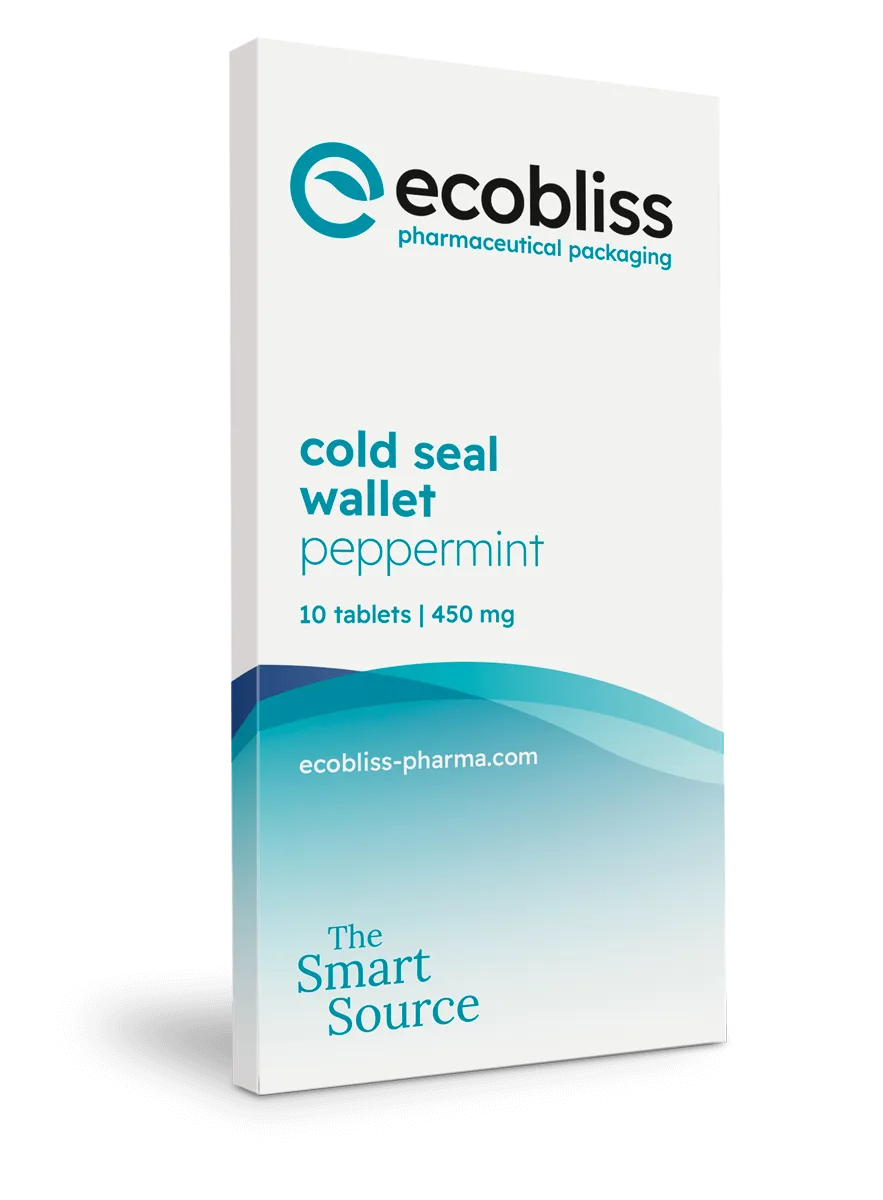
Ecobliss Pharmaceutical cold seal wallet
Do you want to experience first hand the usability and quality of our packaging solutions? We'll send you one!
Request the free sample!

Contact the team

Our team is fine blend of knowledge, experience and eagerness. Give them a call. Or send a message to call you back at a convenient time for you.
Gianni Linssen

Gianni Linssen

+31625517974
Timo Kubbinga

Timo Kubbinga

+31627348895
Jaime Wauben

Jaime Wauben

+31615446090

Or send a message

Thank you! Your submission has been sent! I'll contact you soon.
Oops! Something went wrong while submitting the form.
Sample Request
Quickscan
Schedule a meeting

One moment please, loading calendar...

Schedule a meeting
Icon calendarClose icon