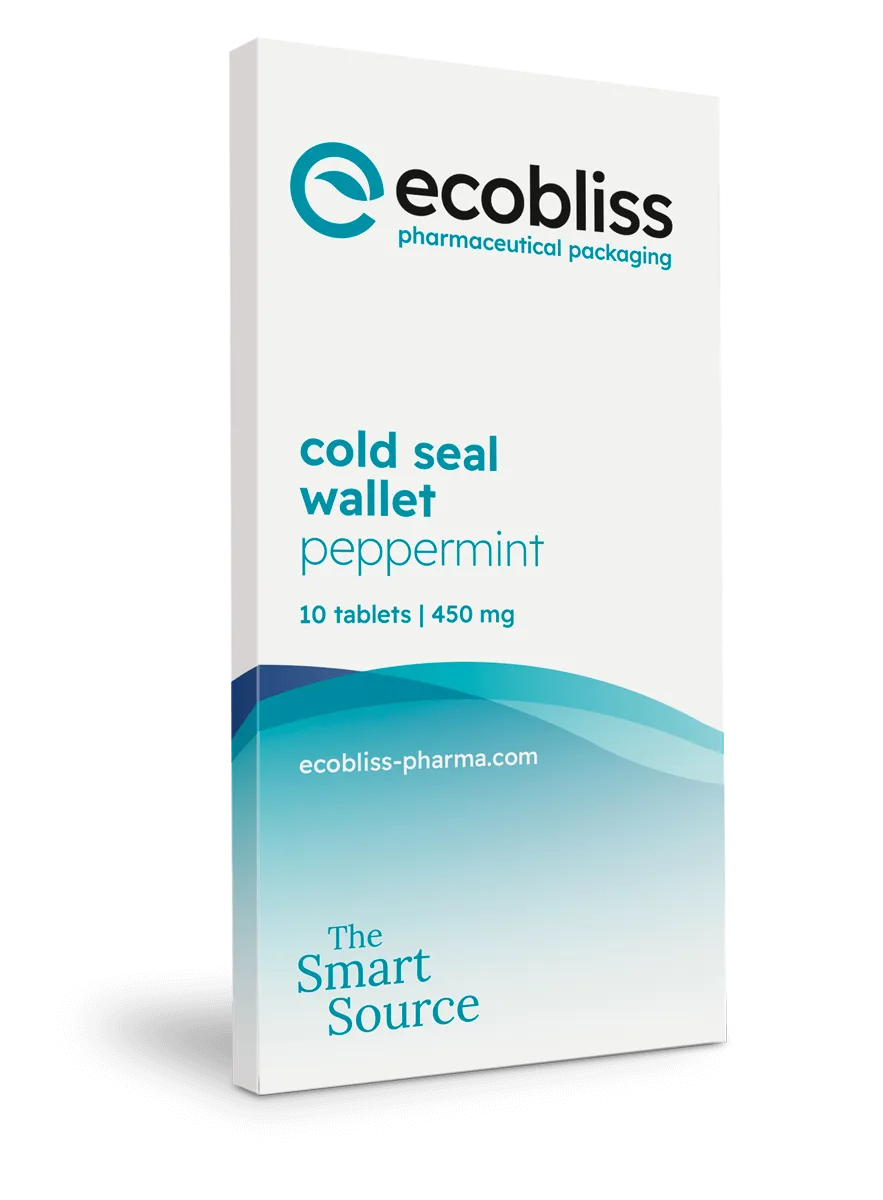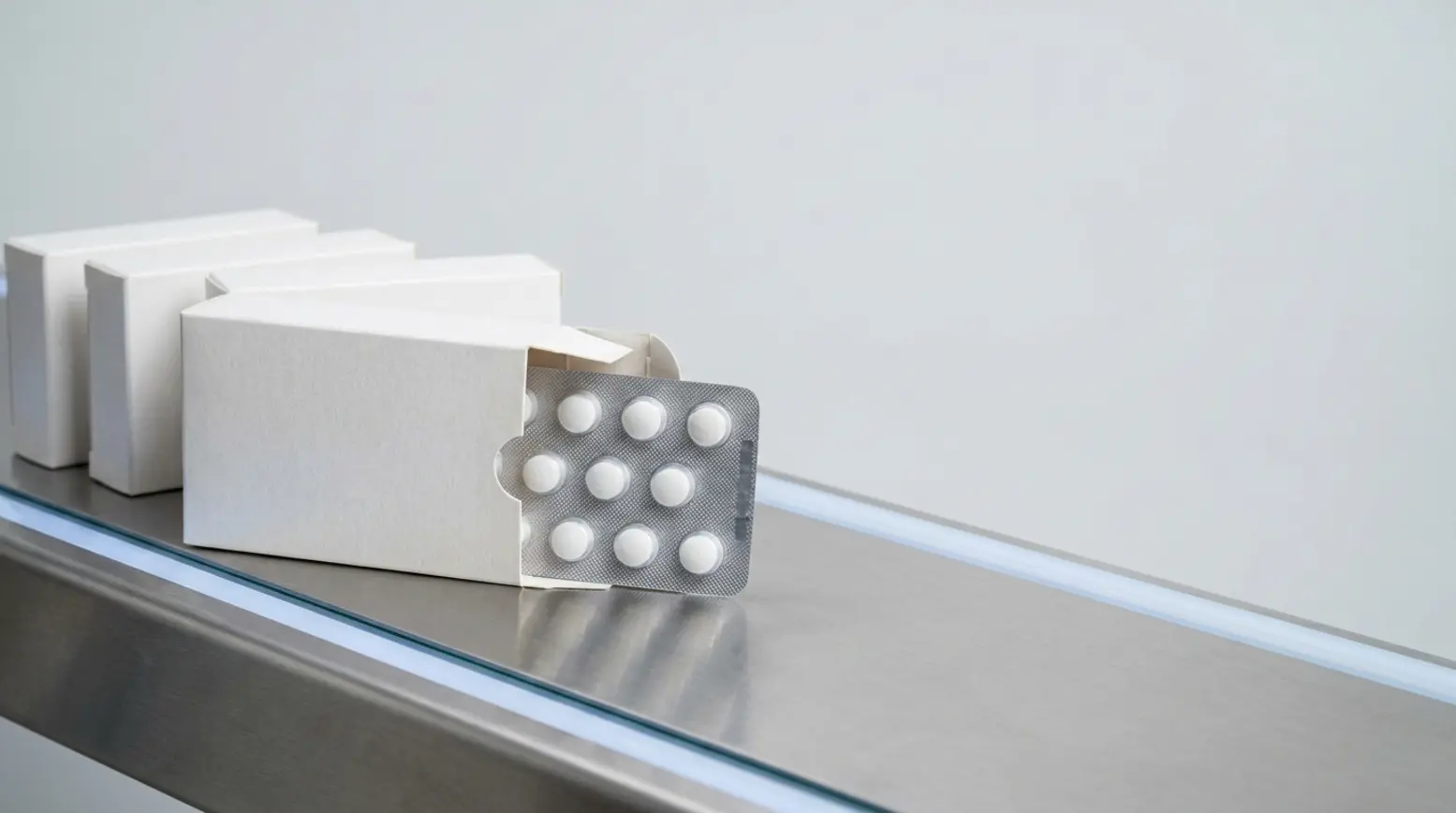

A co-packer in the pharmaceutical industry is a partner that packs and labels a finished or semi-finished product for the brand owner. In simple terms, what a co-packer is refers to a company that handles agreed-upon packaging tasks after the product has been manufactured. This can include primary and secondary contract packaging, labelling, cartoning, coding, and serialisation contract packaging. The brand owner typically retains product ownership, regulatory direction, final approvals, and overall oversight, meaning that outsourcing packaging does not transfer every responsibility.
• A pharmaceutical co-packer works on packaging, while a contract manufacturer makes the drug product itself.
• The exact task split depends on the written scope, approved instructions, and agreed-upon quality model.
• Outsourced pharmaceutical packaging often becomes useful when line time is tight, formats are complex, or serialisation adds too much internal work.
• The customer usually provides product data, packaging specifications, approved artwork, forecast volumes, and market requirements.
• In-house packing can still be suitable when volumes are stable, staff are trained, and a qualified line is already available.
What is a co-packer in pharmaceutical packaging?
In pharmaceutical packaging, a co-packer is a partner that packs and labels products supplied by the brand owner. The product may already be finished, or it may be semi-finished and ready for the approved packaging route. If you want a broader service definition, you can read more about what co-packing means in our related article, but this page focuses specifically on the co-packer role and the decision to outsource.
The meaning of a co-packer is straightforward in general industry use, but the pharmaceutical sector requires much tighter control than food or cosmetics. A contract packer for pharmaceutical products works within a defined scope, approved instructions, and clear checks because patient safety, market rules, and documentation are absolutely critical. As a result, what a co-packer is matters in a very practical way. It directly affects supply planning, quality review, and the day-to-day control of a project.
The meaning of a co-packer in normal industry use
The terms co-packer, copacker, and contract packer usually describe the exact same role. In practice, this partner carries out co-packing services such as filling approved pack formats, applying labels, cartoning, coding, and serialisation, provided these tasks are part of the written scope. The specific split can change from one project to another, so teams should confirm responsibilities early and formalize them in writing.
What is a co-packer compared with a contract manufacturer?
A contract manufacturer makes the product itself from raw materials or active ingredients. A co-packer, on the other hand, works on the packaging side after the product has been made. This is one of the most important differences to understand because manufacturing and packaging do not carry the same tasks or the same responsibility split. We operate on the packaging side and do not manufacture the drug product.
This difference matters significantly in pharma because the project scope drives documentation, oversight, and release steps. If one partner makes the product and another handles pharma packing and labelling, the documents and quality model must accurately reflect that setup. When teams mix up these roles at the start, projects often slow down later because incorrect assumptions become visible too late.
Why this difference matters in pharma
If a company expects a packaging partner to also act as a manufacturer, the project can become unclear during quality review, batch documentation, and release planning. Teams should first decide whether they need manufacturing, packaging, or both through separate partners. This creates a cleaner setup and reduces avoidable rework down the line.
Co-packer versus contract manufacturer
• Co-packer: Packs and labels finished or semi-finished products supplied by the brand owner. The scope often includes primary and secondary contract packaging, coding, cartoning, and serialisation.
• Contract manufacturer: Makes the drug product from ingredients or raw materials. The scope usually includes formulation, processing, and manufacturing controls before packaging even begins.
• Key difference: The co-packer handles packaging operations. The contract manufacturer handles product manufacturing.
What is a co-packer responsible for in a pharma project?
The answer depends on the written scope and the approved packaging process. In pharma, this can include receiving supplied products, managing packaging components, primary packing, secondary packing, labelling, cartoning, coding, and serialisation. Our work in pharmaceutical contract packaging sits squarely within this packaging scope, from design and component production to packing and serialisation.
Some projects are simple and serve one market with a single format. Others involve many SKUs, child-resistant formats, complex dosage schedules, wallet packs, or small controlled batches. Because of this, exactly what a co-packer does cannot be answered with a single fixed list for every project. The real answer always depends on the task list, the documentation, and the agreed process.
Typical pharmaceutical packing activities
• Receiving supplied products and components: The partner receives the product and checks incoming materials against the agreed instructions and documents.
• Primary packing: This means placing the product into its first pack, such as a blister or another approved primary format.
• Secondary packing: This can include wallets, cartons, inserts, overlabelling, and shipper preparation.
• Labelling and coding: The partner applies approved labels, codes, and market-specific information where needed.
• Serialisation: If required, the partner manages serialisation data, printing, verification, and related checks within the agreed process.
• Documentation and reconciliation: The partner records completed work and ensures that the products and components match at the end of the batch.
Normal controls during packing
Pharma packaging requires tighter control because the product, the regulatory setting, and the risk profile are vastly different from other industries. Normal controls often include batch documents, line clearance before the run starts, checks during the run, and final reconciliation at the end. Quality review and batch release responsibilities also need a clear written split because they should never be assumed.
When understanding what a co-packer is becomes the practical choice
Outsourcing is often linked to capacity, but that is only part of the decision. It can also reduce handovers across design, components, and packing, so the entire process becomes easier to manage. Because of this, a pharmaceutical co-packer becomes a highly practical option when internal packing creates delays, too many setup changes, or coordination risks between several parties.
In-house packing versus outsourcing often requires a fresh review when line time is limited, product variants keep growing, or the pack format needs special tooling. The same applies when serialisation becomes harder to manage, when market-specific coding changes frequently, or when small, controlled batches need careful handling. Specialist medication can also alter the picture because low volume does not always mean low complexity.
Signs that in-house packing may stop making sense
• Consider outsourcing: Limited line availability, many variants, specialist formats, serialisation complexity, or frequent small controlled batches.
• Extra factor: If design, component supply, and packing sit with different parties, one contract packaging partner may reduce handovers and lower avoidable risks.
Cases where in-house packing can still fit
In-house packing can still be the right choice when repeat volumes are stable, staff are trained, and a qualified line is available. It also fits perfectly when the pack is simple and the process changes very little over time. In these cases, outsourcing may simply add cost and effort without providing enough benefit.
• Keep in-house: Stable repeat volumes, trained operators, qualified lines, simple pack formats, and few changeovers.
What is a co-packer asking you to hand over?
In practical terms, companies often want to know what they must provide so the partner can do the work correctly. For most projects, the customer supplies product data, packaging specifications, approved artwork, forecast volumes, market requirements, and release instructions. If serialisation applies, coding rules and serialisation master data are also usually part of the handover.
This area is highly important because a weak handover often causes delays later. If the packaging specifications are incomplete or market requirements are unclear, the quote may look simple at first, but the project can easily become more complex during execution. Therefore, teams should ensure the handover package is clear before production planning starts.
Information and materials the customer usually supplies
• Product data: Clear information about the packed product and the approved packaging route.
• Packaging specifications: Agreed specifications for components, pack structure, and print content.
• Approved artwork: Final approved text and design files for labels, cartons, leaflets, or wallets.
• Forecast volumes: Expected demand, as planning and material decisions depend heavily on it.
• Market requirements: Country rules, coding needs, language versions, and other market-specific details.
• Release instructions: Clear direction on review processes, the final decision on batch status, and shipment steps.
• Serialisation data: Data needed for serialisation packaging where relevant.
Points that teams should agree upon before quoting
Some tasks can sit with either party, so teams should agree on them before a quote is finalized. These include component sourcing, component ownership, quality review tasks, and batch release responsibilities. If these points stay vague, the project can look straightforward at the start only to become difficult later.
What stays with the brand owner?
Outsourced pharmaceutical packaging does not mean the brand owner steps away from the product. Product ownership, regulatory planning, final specification approval, and overall oversight usually stay with the customer. Therefore, outsourcing packaging does not transfer all responsibility, even when the external scope is broad.
This is crucial for procurement and supply chain teams to understand because operational outsourcing still needs internal control. The written scope should perfectly match the real project, and the review model should be clear to everyone involved. In this way, the project runs with fewer assumptions and much better traceability.
What normally stays with the customer?
The customer normally keeps ownership of the product and the overall regulatory path. The customer also approves final specifications and maintains oversight of all outsourced work. In addition, the customer should check that the written scope, documents, and release model truly match the real-world setup.
Why responsibilities should be written down
Responsibilities should never depend on habit or assumption. A documented split helps supply chain, quality, procurement, and project teams work faster because each handover is perfectly clear. It also minimizes compliance risks and helps avoid rework during start-up.
Choosing a pharmaceutical co-packer
A pharmaceutical co-packer needs stronger process control than a general co-packer because the risk level is inherently higher. Teams should look for clear scope control, good documentation practices, and the ability to handle specialist formats where needed. If you are comparing providers, it helps to review what makes a proven packaging partner credible in real-world packaging work.
For supply chain and procurement teams, the best choice is usually the partner whose capabilities seamlessly match the actual packaging route. This can include manufacturability by design, support for components, primary and secondary packaging, and serialisation. We can support the packaging journey with in-house design, component production, packing, and serialisation. For teams that choose to keep packing in-house, we can also supply blister and sealing equipment for the packaging process.
What makes a contract packer for pharmaceutical products different?
Pharma projects often involve stricter checks, more documentation, and a greater sensitivity to errors. This is even more important for rare disease products, wallet packs, titration packs, and child-resistant formats. A packaging partner should be fully equipped to manage these needs within a controlled and agreed process.
What to look for in a packaging partner
Useful points to check include design that supports easy production, support for both components and packing, and a clear route from an approved concept to a packed product. It also helps immensely when the same partner can reduce handovers across teams, as fewer interfaces typically mean fewer avoidable mistakes.
Examples of when specialist packaging support helps
Specialist support can make complete sense even when volumes are low. For example, our single capsule packaging case shows that one small, high-value unit can still demand a carefully developed packaging solution. This is incredibly common in specialty medication because the pack must both protect the product and guide the user in a very precise way.
Small, high-value products and special formats
These projects are often hard to justify on a standard in-house line. The reason is usually not volume alone. Rather, it is the mix of format complexity, setup effort, control needs, and coordination across design, tooling, components, and packing. This is exactly why specialist support can become a practical necessity even for small batch sizes.
Next step for teams reviewing in-house packing versus outsourcing
If you are reviewing make-or-buy options, start by mapping the pack format, volumes, market needs, and handovers between internal teams or suppliers. Then check where the pressure really sits, such as with line time, tooling, serialisation, or overall coordination. If you want a simple initial review, you can start the packaging quickscan and accurately assess whether outsourcing fits your situation.
A useful internal review often begins with four basic questions: what must stay under your control, what packaging steps create the most delay, what data and materials must be handed over, and which tasks need a clearer written split. Answering these questions helps teams decide whether their current model is still efficient.
FAQ
Is a co-packer the same as a contract packer?
Yes. In standard industry use, these terms generally mean the same thing. The meaning of a copacker also points to the exact same role. Within pharma, all three usually refer to a partner that packs and labels products supplied by the brand owner.
What does a co-packer do in pharma?
A co-packer can receive supplied products, manage packaging components, perform primary and secondary packing, apply labels, carton packs, code packs, and manage serialisation where required. The precise scope depends entirely on the written agreement and the approved process.
Does a co-packer release the batch?
Sometimes parts of the quality review can sit with the co-packer, but batch release responsibilities must always be defined clearly. Teams should never assume them. The right model depends heavily on the project setup and the agreed quality system.
When should we outsource packing?
Outsourcing becomes much more practical when line time is tight, pack formats are complex, variants are growing, or serialisation adds too much internal work. It can also help tremendously when too many handovers exist between design, components, and packing.
What still stays with the brand owner?
The brand owner typically retains product ownership, regulatory planning, final specification approval, and overall oversight of the outsourced work. Even with a broad external scope, those duties usually remain strictly internal unless a different written model is explicitly agreed upon.
What should we check before choosing a co-packer?
Check whether the partner can truly support the required pack format, documentation flow, coding needs, and process control level. It also helps to confirm early on who handles components, quality review tasks, and release steps, because scope gaps often create significant delays later on.
Request a free sample now!