Clinical trial supply is the discipline of getting investigational medicinal product (IMP) from the manufacturer to the patient at a trial site, with everything in between (packaging, labeling, randomization, distribution, drug accountability) handled to GMP standards. It sounds bureaucratic. The operational reality is that 30% of clinical trial delays come from supply chain failures, most of which are preventable with the right partner.
What clinical trial supply actually covers
Five operational layers:
Drug substance. The API itself, manufactured to GMP. Usually the sponsor's responsibility or a separate CMO.
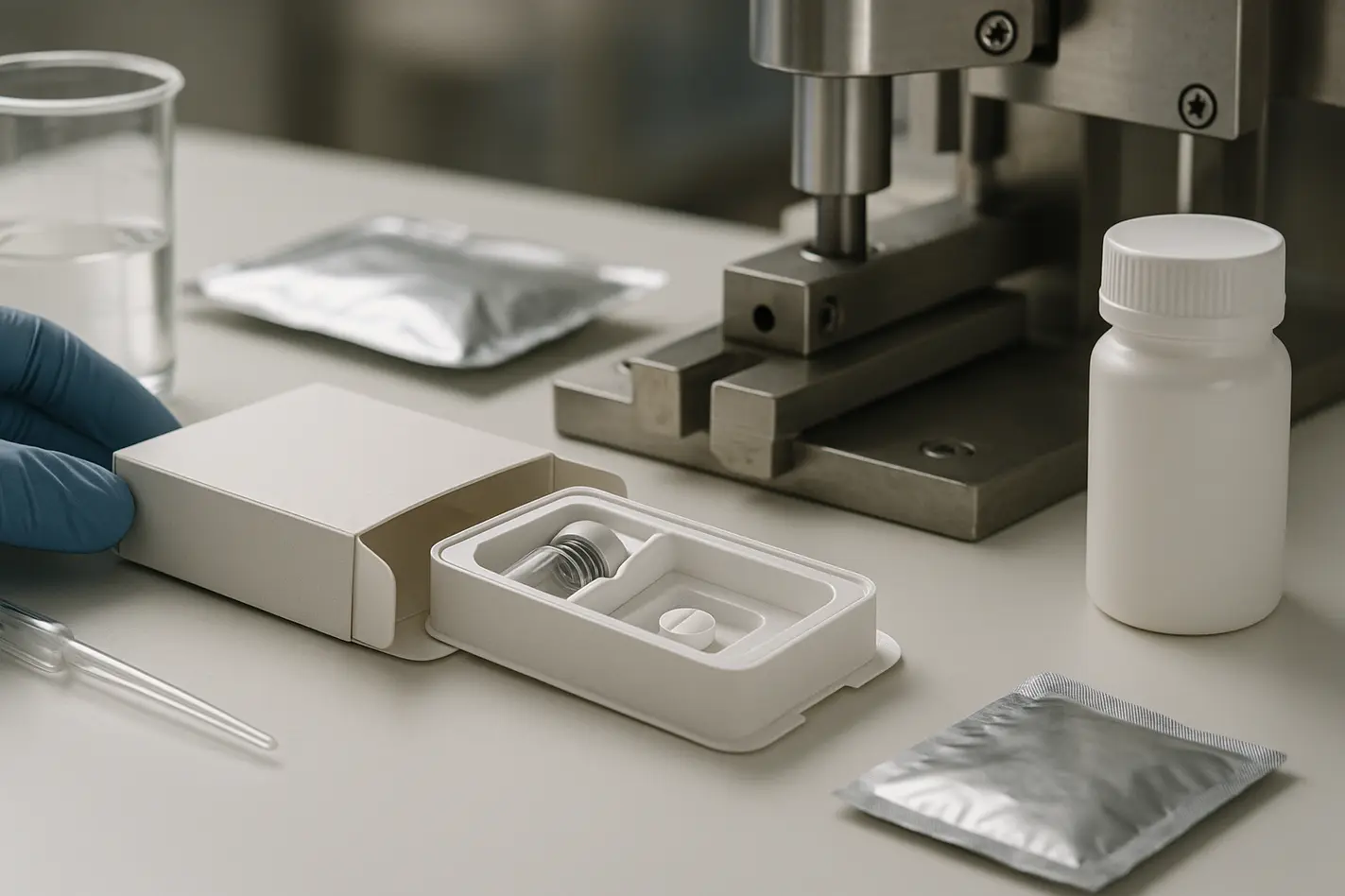
Drug product (primary packaging). Filling the API into vials, blisters, syringes. Sometimes in-house, often outsourced.
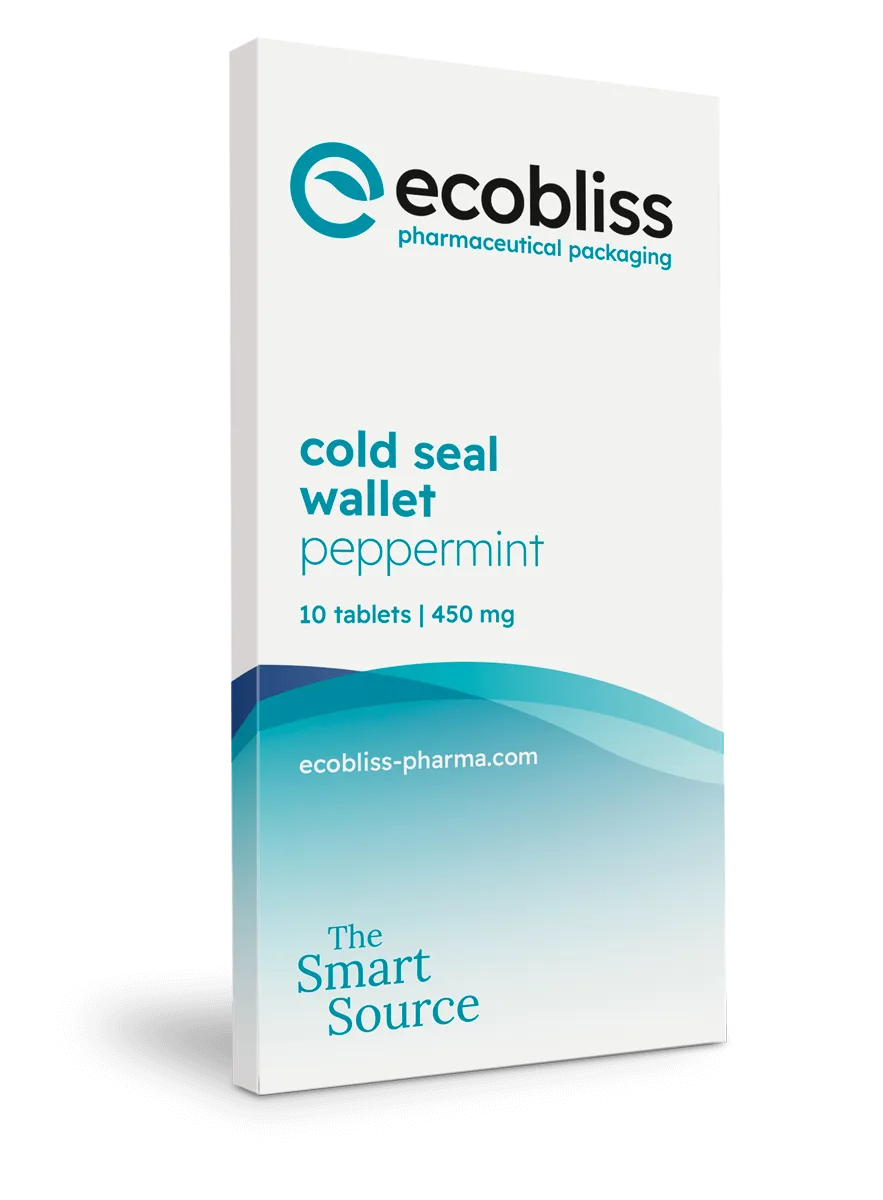
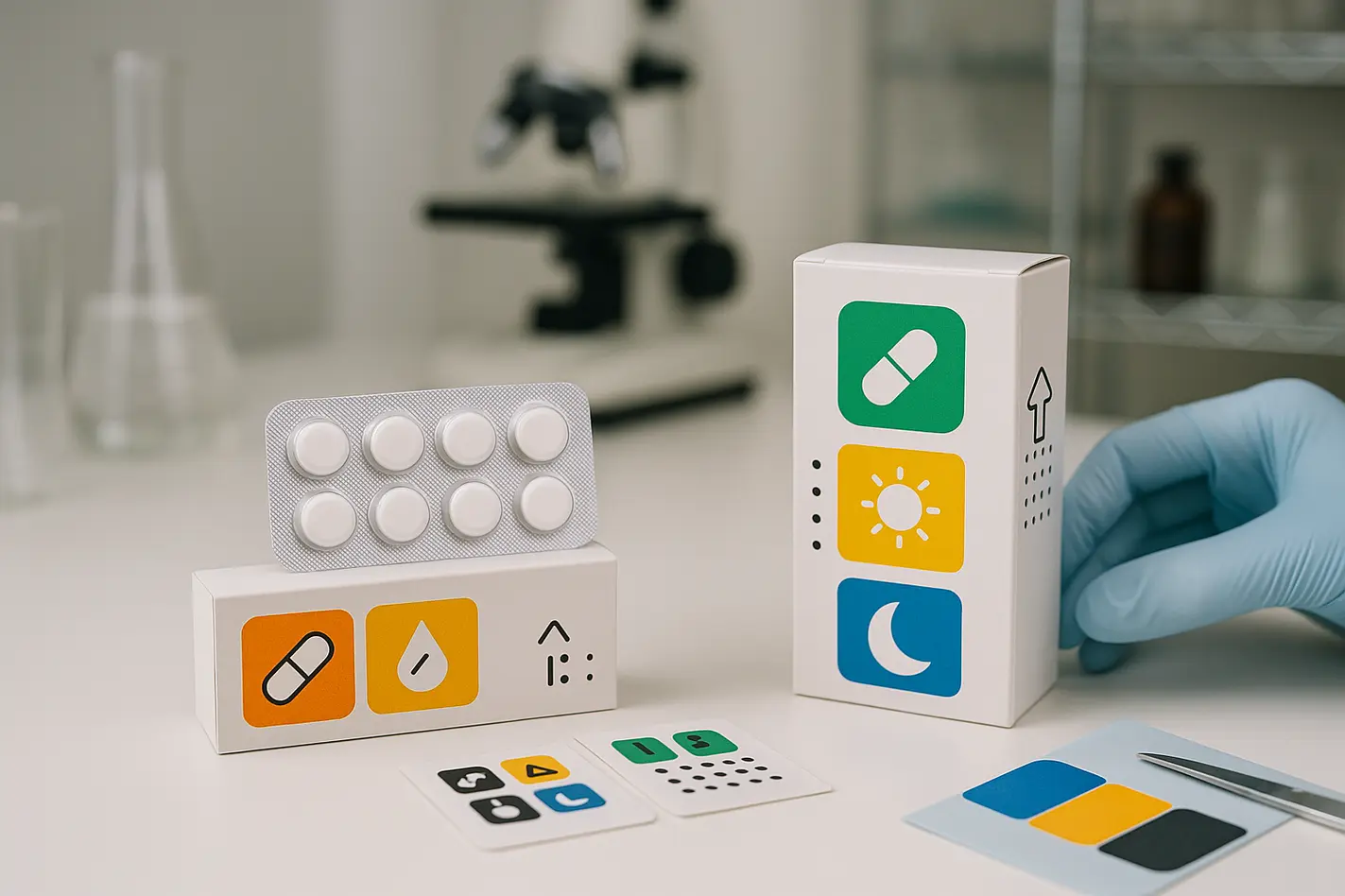
Secondary packaging and labeling. Wallets, kits, multi-language patient labels, randomization codes, IRT-compatible barcodes. This is where we live.
Storage and distribution. GDP-compliant warehousing, validated cold chain lanes, customs handling for international trials.
Drug accountability. Tracking what shipped where, who dispensed what, what came back unused.
Each layer hands off to the next. A break in handoff causes problems that don't show up until the trial site reports an unexpected stockout or a randomization mismatch.
What makes clinical trial supply different from commercial
Three structural differences:
Volume. Phase I might need 500 units total. Commercial might ship millions per year. The packaging line that handles both economically is rare.
Format flexibility. Trials run multiple cohorts in parallel with different dosing regimens. Format change between cohorts has to take hours, not weeks.
Regulatory complexity. Multi-region trials cross EU CTR, FDA 21 CFR 312, ICH GCP, plus local competent authority requirements. Booklet labels for nine languages, IRT integration with the trial's IRT/RTSM vendor.
Where clinical trial supply goes wrong
Common patterns:
- Translation errors caught at site activation, delaying recruitment.
- IRT integration that doesn't scan reliably across all sites.
- Cold chain excursions that force batch retests.
- Insufficient blinding when active and placebo have different physical properties.
- Drug accountability gaps that show up at trial close-out.
All preventable with rigorous protocol-stage planning and the right packaging partner.
Where we sit
We run clinical trial packaging services across Phase I through III, with cold seal wallet specialty. Low-volume work is part of our standard model, format change between cohorts is fast, and we run trial supply and commercial production on the same lines for clinical-to-commercial continuity.
If you're scoping trial supply for an upcoming protocol, send us the brief during protocol design, not after site selection. The earlier the involvement, the cleaner the supply chain.
Request a free sample now!