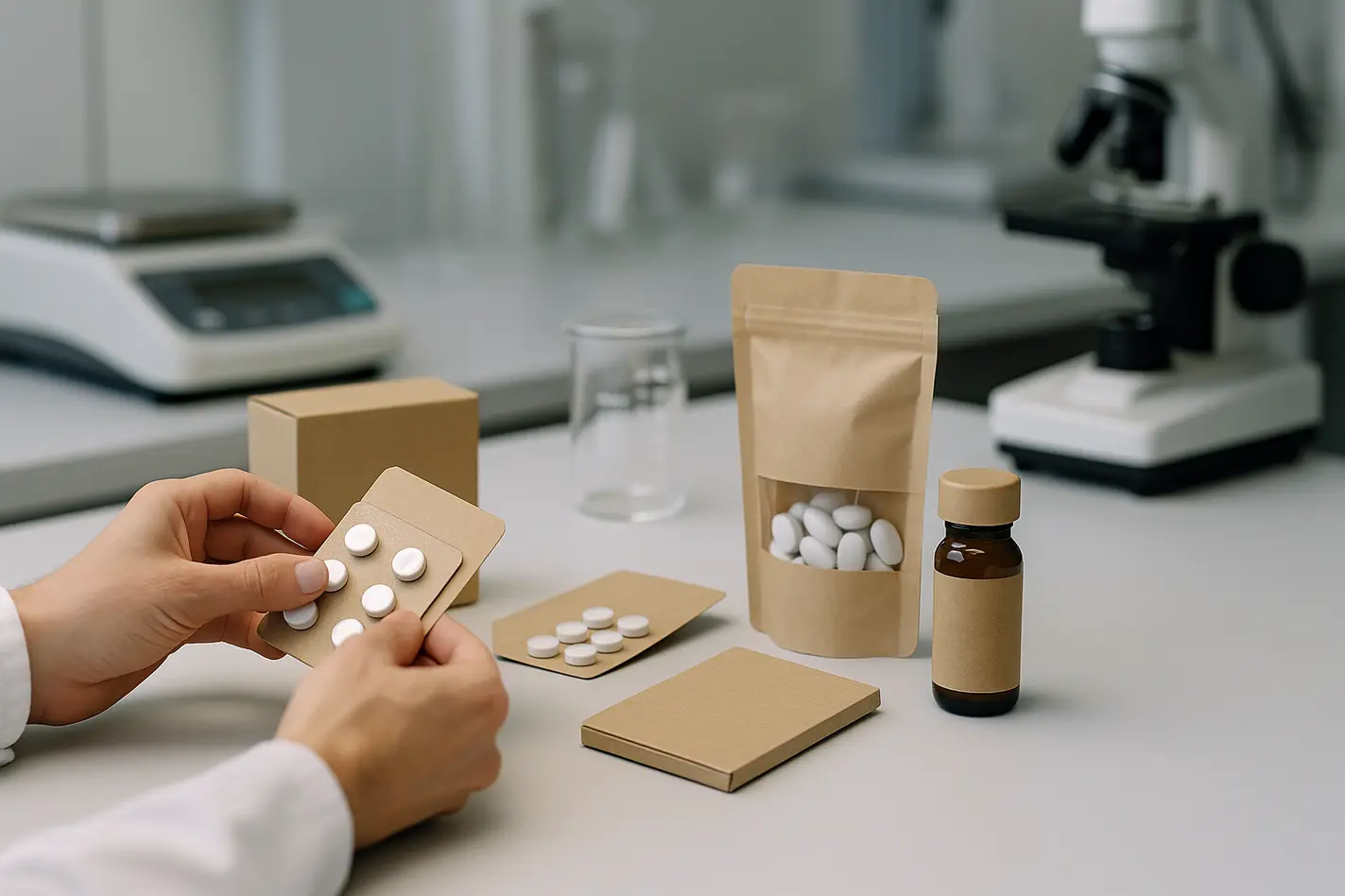

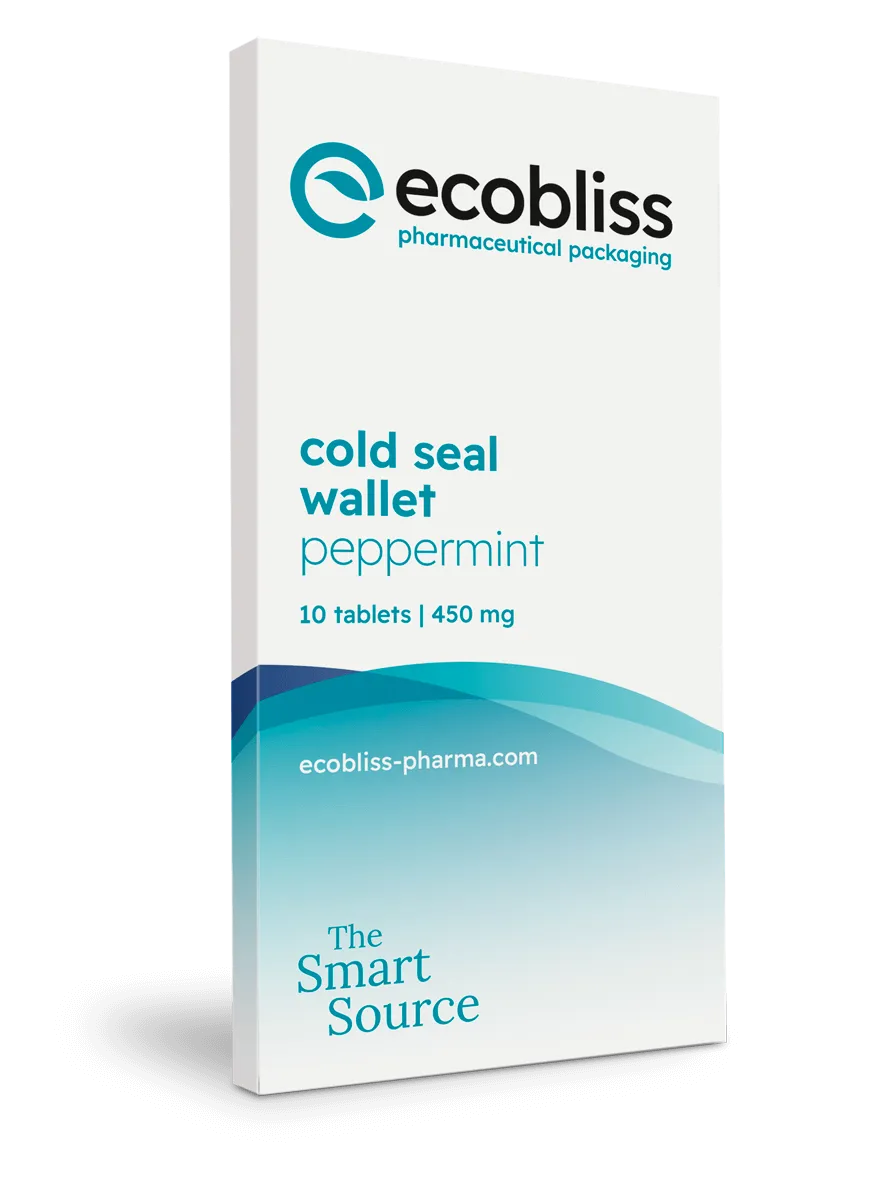

Medicine packaging is usually not reused after opening, because of safety, quality and legal reasons. At Ecobliss we therefore cut waste in the layer around the medicine: the wallet or carton that we design and pack as secondary contract packaging at our own GMP-licensed site in Echt.
In pharma, the main priority is to avoid contamination and protect the medicine. Primary packaging, which touches the drug, must always stay intact and protective. Only sterile products, such as injectables, also come in sterile packaging. For these reasons, reuse is not possible in most cases. Instead, teams can improve sustainability through recyclable materials, efficient pack design and safe in-use options.
- Most medicine packaging, especially anything touching the drug, must only be used once.
- Reuse is blocked by safety rules, the need for an intact pack and regulatory controls.
- Secondary packaging offers safer ways to reduce waste and improve recyclability.
- The EU packaging regulation (PPWR) applies from 12 August 2026 and focuses on the carton and transport layers, not on the blister.
- The best results come from smart design, not reuse of returned or opened packs.
Why is medicine packaging single use once it is opened?
In consumer packaging, reuse often means refilling a container or taking it back to the store. In pharmaceuticals, the meaning is stricter. Medicine packaging has two parts. Primary packaging touches the medicine, like blisters, vials or syringes. Secondary packaging holds these items and adds safety, labelling and instructions, such as wallets, boxes or cartons.
Primary packaging cannot be reused once it is opened, because it may no longer be intact and protective, and teams cannot confirm that the drug stayed stable. Returned or opened packs are usually destroyed following standard safety rules. This helps avoid mix-ups, counterfeits and incorrect dosing.
Modern packs also carry safety features such as seals, tamper evidence and tracking codes. In the EU these are part of the Falsified Medicines Directive, with the details in Delegated Regulation (EU) 2016/161. Once broken, those protections no longer work. In some specific cases reuse of secondary packaging may be considered, but only if the materials stay undamaged and traceable. Reuse programmes are not accepted in normal pharma settings at home or in retail.
Where does reuse work in pharma?
Some packaging-related materials in pharma are reused, but upstream in logistics. Reusable crates, pallets and insulated boxes carry medicine between facilities. They are cleaned and used again in secure systems, and they never touch the drug itself.
These items are different from the packaging a patient receives. Patient-facing packaging must follow strict laws and usually cannot be reused. This is unlike sectors such as food or cosmetics, where reuse models are more accepted and pose lower risks.
What does the PPWR mean for pharmaceutical packaging?
The EU Packaging and Packaging Waste Regulation, Regulation (EU) 2025/40 (PPWR), entered into force on 11 February 2025 and applies from 12 August 2026.
For medicines, the key point is a split by layer. Immediate packaging of medicinal products, such as the blister that touches the tablet, is excluded from the recyclability requirements and from the minimum recycled content targets. Outer cartons and transport packaging are not excluded. That is exactly the secondary layer: the wallet, folding carton and shipper around the blister.
So the PPWR does not ask pharma to reuse packs that patients have opened. It puts the recyclability requirements on the packaging around the medicine. In most of our packs the paperboard and blister separate cleanly, and the paperboard goes into paper recycling. A growing number of our solutions need no separation at all because they are made from one source material, such as the all-paper Locked4Kids Wallet Box.
Reuse, recycling and the PPWR per packaging layer
Each layer of a medicine pack has its own rules. This overview shows where reuse is possible and what the PPWR asks.
| Layer | Reuse allowed? | Recyclable? | What the PPWR asks |
|---|---|---|---|
| Blister (immediate pack) | No, single use | Often hard: plastic and foil | Excluded from recyclability and recycled content rules |
| Wallet or folding carton | Rarely, only undamaged and traceable | Paperboard goes into paper recycling | Not excluded: recyclability rules apply |
| Transport packaging | Yes, crates and pallets in closed systems | Depends on the material | Not excluded: recyclability rules apply |
The blister row describes the regulation, not a recycling promise: whether a blister can be recycled depends on its materials and on local collection.
How do you use less material without reuse?
Pharma companies reduce waste by cutting extra materials, such as trays, plastic shields or tamper bands that are not required, and by downsizing. Smaller packs use fewer resources and reduce CO2 from shipping because they take up less space. Fewer components also mean simpler production. Look at the full life cycle too: light packs reduce transport fuel use, and flat shapes take less energy to produce.
Our case of 10 syringes in one eco-friendly wallet shows how this works. A sterile compounding company packed filled syringes in a tray sealed with a lidding, then put them in an outer carton without a clear count. We proposed one cold seal wallet for the ten syringes. It made the quantity visible at a glance, gave space for instructions and regulatory information, and moved the pack from plastic to recyclable cardboard. The wallets ship flat, which reduces transport volume, and drop and transport tests confirmed the design.
Clinical trials are a good place to test compact packs, because they run in small volumes. Trial kits must show clear instructions and protect the drug without wasting material. Titration packs help in the same way: when the pack guides the patient through each dose change, less medicine is left unused or handled improperly.
The cold seal process behind many of these wallets needs no heat and bonds the carton layers with a water-based adhesive, so flat, simple boards can be used. Every change of format or material still needs a risk assessment and validation under GMP, covering safety, child resistance, tamper protection and print clarity. Reuse fails at many of these checkpoints; lighter, recyclable packs can go through the same documented steps.
Can a pack be reclosable without being reused?
Reclosable packaging can help patients take medicine correctly. These formats are often child-resistant, so they stay safe between doses, and they help avoid losing pills and waste from early disposal. They are not suitable for return or refill: once the drug is finished, the pack is discarded.
These designs are especially useful for home care and long treatments. Supporting correct storage and use helps patients follow their schedule and avoid skipping or doubling doses. Our child-resistant packaging shows formats that stay easy to open for seniors.
Start with a quick check
Reuse of medicine packaging is not practical or permitted in most regulated pharma environments; smarter, recyclable packaging is. If you want to cut waste safely and prepare the outer layers for the PPWR, a quick scan of your current packaging helps. We look at size, structure, sealing method and recyclability.
Use our quick packaging scan to explore new options, or read about our sustainability principles in regulated packaging.
FAQ about reuse of medicine packaging
Can medicine packaging be reused?
No, reuse of medicine packaging is not allowed in most pharma settings. Once opened, the packaging may no longer be intact and protective, and it cannot be trusted to protect the drug. Regulations require secure, single-use formats to keep patients safe.
What packaging parts can be recycled?
Secondary packaging such as cartons, boxes and mono-material wallets is often recyclable. Primary packaging is more complex, and parts like plastic blisters or coated foils are harder to recycle due to the materials used.
Are there regulations on pharmaceutical packaging reuse?
Yes, strict regulations prohibit reuse of any pack that has been opened or returned by a patient. These rules help prevent tampering, contamination and errors. Regulatory documents like the Falsified Medicines Directive help enforce these standards.
What are safer alternatives to reuse in pharma?
Sustainable options include recyclable packs, compact formats and cold seal technology. These design choices improve environmental outcomes while staying compliant. Reclosable child-safe packs also reduce waste during use without encouraging actual reuse.
When does the PPWR apply?
Regulation (EU) 2025/40 entered into force on 11 February 2025 and applies from 12 August 2026. The immediate packaging of medicines is excluded from its recyclability and recycled content requirements; outer cartons and transport packaging are not.