Pharma blister packaging looks similar from across a room. Up close, the engineering choices are different enough that picking the wrong type can sink your stability data nine months in. The five common formats are PVC, PVDC-coated PVC, ACLAR, cold-formed Alu-Alu, and cold seal blister wallets. They differ in barrier, cost, and patient experience. Here's the practical view.
PVC: the cost-effective default
Polyvinyl chloride is the most common blister material in pharma globally. It's cheap, easy to thermoform, prints well, and provides basic moisture barrier protection. Most stable solid oral medications ship in PVC blisters because the API doesn't need anything fancier.
Where PVC fails: hygroscopic APIs that pull moisture from the surrounding air. PVC's moisture barrier is fine for stable formulations, marginal for moderately sensitive ones, and completely inadequate for the truly hygroscopic. Always check the stability data before defaulting to PVC.
PVDC-coated PVC: the moderate-barrier upgrade
A PVDC (polyvinylidene chloride) coating laminated onto PVC delivers significantly better moisture and oxygen barrier protection. Cost goes up moderately. For APIs that fail PVC stability but don't need the full Alu-Alu treatment, PVDC-coated PVC is the right middle ground.
ACLAR: high moisture barrier and light protection
A polychlorotrifluoroethylene laminate. Higher moisture barrier than PVDC, also light-resistant. Used for hygroscopic APIs that don't quite need Alu-Alu but need more than PVDC can offer. Often the right choice for premium specialty therapies.
Alu-Alu (cold-formed aluminum): the highest barrier you can buy
An aluminum-aluminum laminate cold-formed under pressure. The blister cavity itself is aluminum, with no plastic at all. Moisture barrier is essentially perfect. Light barrier is total. Oxygen barrier is excellent.
Alu-Alu is what you reach for when the API is hygroscopic, light-sensitive, oxygen-sensitive, or all three. It costs more than PVC, sometimes 3-5x at the material level. The cost is small compared to a missed launch from failed stability data.
Cold seal blister wallets
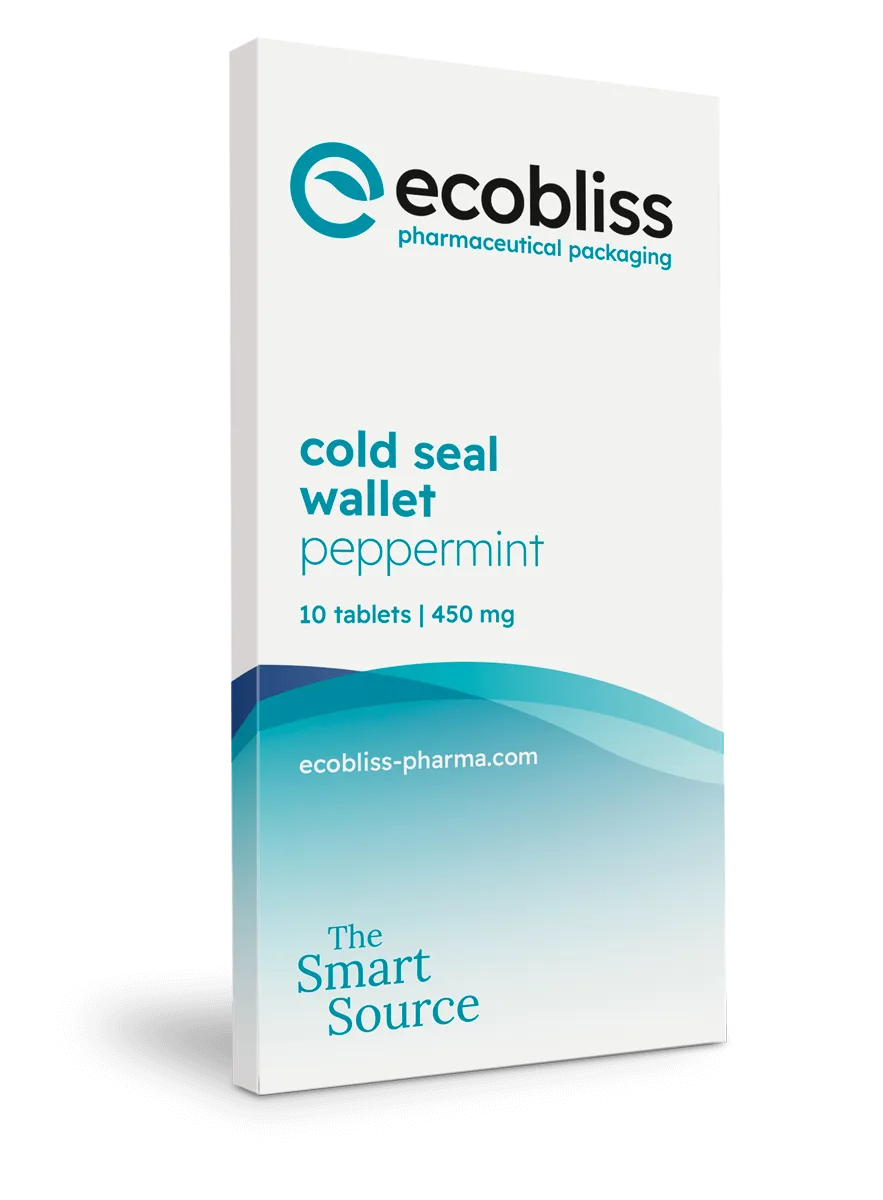
A different category. The blister itself can be any of the materials above, but the wallet around it is cold-seal-bonded paperboard instead of a heat-sealed carton. The bonding step doesn't expose the API to heat, which matters for biologics and heat-sensitive specialty drugs.
The other reason to use a wallet: the paperboard becomes a printed surface for calendar layouts, color codes, and adherence cues. Cold seal blister wallets are what we run for the majority of our pharma customers, especially for chronic medications and clinical trials.
How to actually choose
Pick the material from the API stability data, top down. Hygroscopic? Alu-Alu primary. Light-sensitive? ACLAR or aluminum. Stable formulation, mass market? PVC. Heat-sensitive? Cold seal wallet regardless of cavity material.
The mistake most launches make is reverse-engineering the choice from price or aesthetics. The stability study is the only input that matters until the material requirement is locked, after which everything else follows.
If you're spec'ing a blister
Send us your stability data and we'll come back with two or three blister types that match. Or ask for samples if you want to feel the difference between PVC and Alu-Alu in your hand. Drop us a line if you want a second opinion on a current spec.
Request a free sample now!